





The start of a new year often comes with good intentions. Families buy fresh paper calendars, pin them to the wall, and promise themselves that this will be the year everything feels more organized.
By February, many of those calendars are already outdated. Schedules change. Appointments overlap. Sticky notes pile up. And the familiar problem returns: everyone is busy, but no one has the same picture of what the week actually looks like.
For modern families, the issue is no longer motivation—it is visibility.
Why Paper Calendars Fall Short Today
Traditional paper calendars were designed for a simpler time. They assume one handwriting, one perspective, and one static plan. In reality, families juggle school schedules, work shifts, meals, extracurricular activities, and shared responsibilities that evolve daily.
Paper calendars cannot sync updates, remind family members automatically, or adapt when plans change. They also tend to place the burden of organization on one person—often a parent—rather than supporting shared responsibility.
What families increasingly need is not more planning, but a shared, visual system that works in real time.
Apolosign: A Digital Hub for Real Family Life
Digital calendars on phones solve part of the problem, but they often remain fragmented and personal. Information stays locked behind individual screens. A wall-mounted digital calendar changes that dynamic.
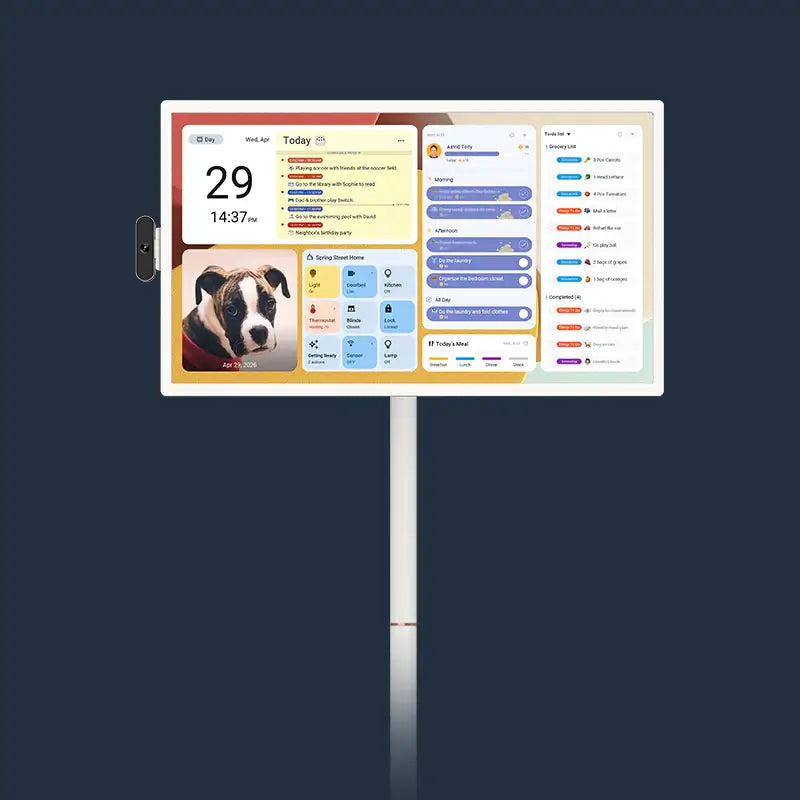
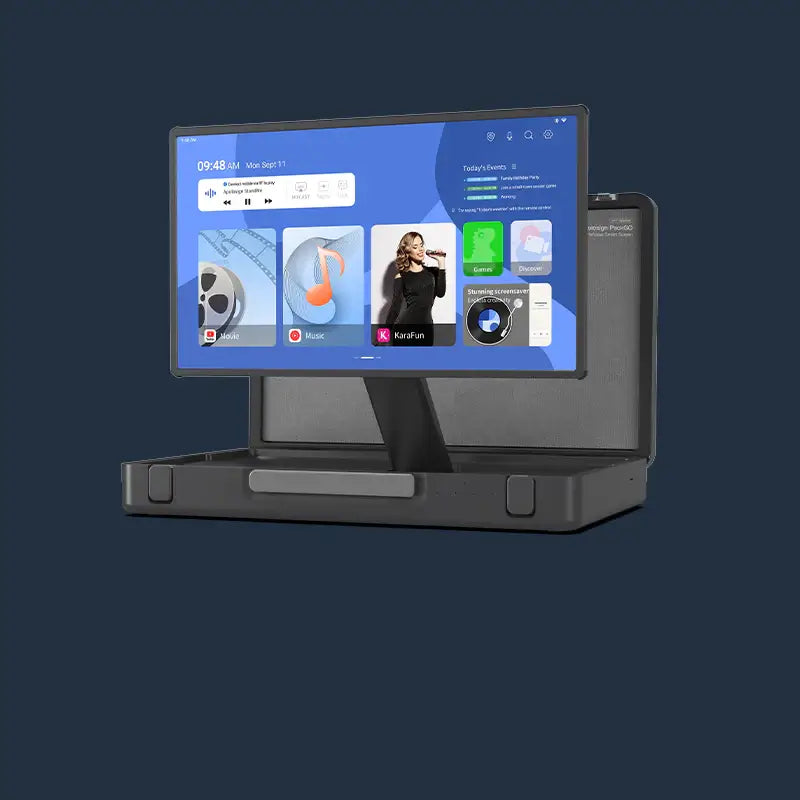
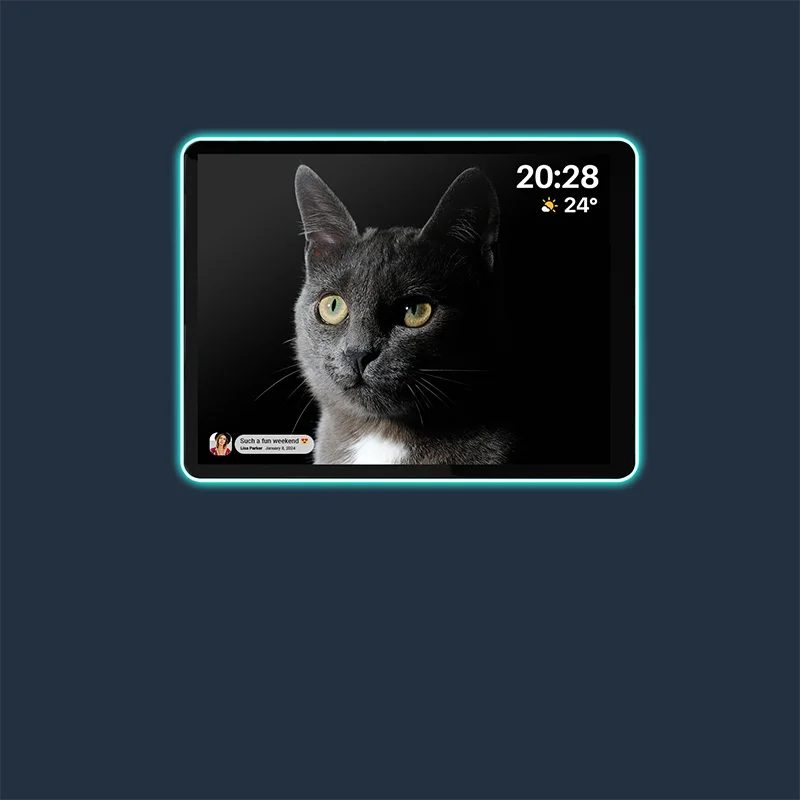
The Apolosign Digital Calendar was designed to act as a central family hub—visible, shared, and easy to update. Available in three sizes—15.6", 21.5", and a large 27" display (with both 1080p and 4K options)—it fits different household spaces and budgets without requiring a subscription. Mounted in a common area, the calendar becomes part of daily life rather than another app to remember.
Teach Kids Planning Through Rewards
One of the most overlooked aspects of family scheduling is teaching children how planning works.
With built-in reward points, parents can assign tasks and routines while encouraging accountability in a positive way. Completed responsibilities earn points, helping children connect daily habits with long-term goals. Meal planning features further reduce friction by allowing families to visualize meals alongside schedules—making it easier to plan ahead, reduce waste, and simplify weeknight decisions.
Parental controls ensure that while the system is shared, it remains appropriate and manageable for all ages.

Start 2026 With Clear, Shared Schedules
A strong start to the year is not about perfection. It is about creating systems that support real behavior, real change, and real flexibility. For families moving away from paper calendars, the shift is less about technology and more about clarity—seeing the week at a glance, sharing responsibility, and keeping everyone aligned without constant reminders.
As households plan for 2026, tools like the Apolosign Digital Calendar reflect a broader change in how families organize time: visually, collaboratively, and with intention. Sometimes, the strongest fresh start begins by letting go of paper altogether.