





The milk is almost gone. Someone needs more coffee. A school project calls for supplies nobody mentioned until tonight.
These small requests often end up in different places: a text message, a sticky note, or one person’s memory. By shopping day, it’s easy to forget something—or buy an item someone else has already picked up.
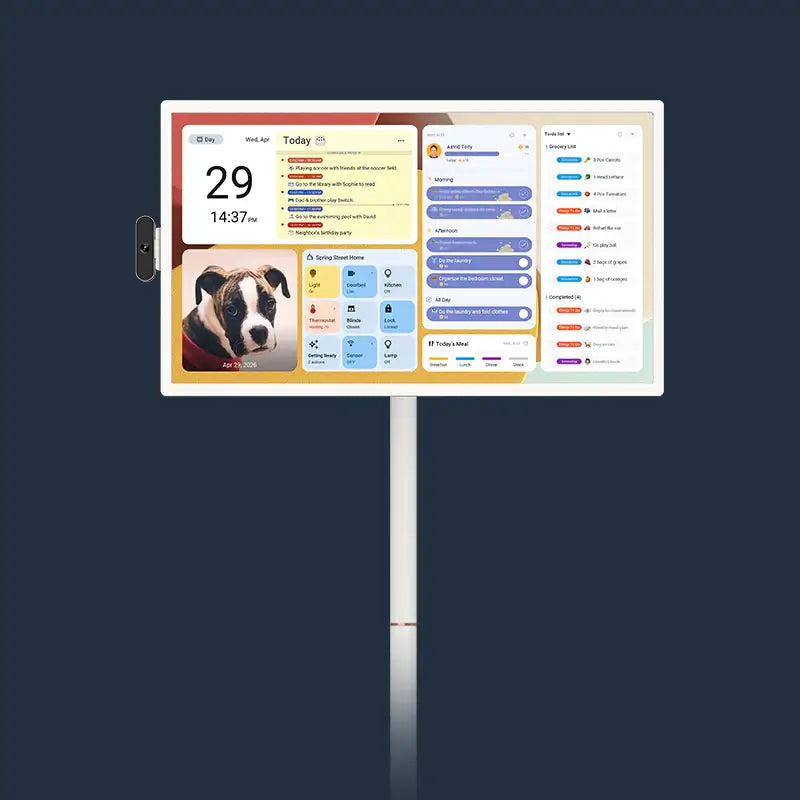
With the To-Do feature on Apolosign Digital Calendar, your family can keep shopping needs in a shared list. Anyone who notices something running low can help record it, instead of relying on one person to remember everything.
Create a Shared Grocery List
Start by creating a custom list in To-Do and naming it something everyone recognizes, such as Groceries.
One list may be all you need. If your household regularly shops for different types of supplies, you can create separate lists:
- Groceries: Food and drinks, such as milk, coffee, and cereal.
- Household Supplies: Cleaning products, paper towels, and laundry detergent.
- School Supplies: Notebooks, pencils, and materials for school projects.
Keep the categories simple and distinct. If family members have to stop and think about where an item belongs, fewer lists may work better.

Add Items When You Notice They’re Running Low
A shared list is most useful when adding to it becomes part of everyday life.
After pouring the last of the cereal, add it to the list. When you notice that laundry detergent is nearly empty, record it before leaving the room. Children can help by adding items they use, with support when needed.
Before adding something, check whether it’s already listed.
This small habit closes the gap between noticing a need and remembering to tell someone about it. It also gives everyone a practical way to contribute before shopping begins.
Make Each Item Easy for Someone Else to Buy
A useful grocery entry should make sense to whoever does the shopping.
“Milk” might be enough in some households. In others, “Oat milk — 1 carton” prevents an extra phone call from the store.
Include the quantity, type, or size in the item name when it matters. For example:
| Instead of | Try |
|---|---|
| Apples | Apples — 6 |
| Coffee | Ground coffee — 1 bag |
| Pasta | Spaghetti — 2 boxes |
| School supplies | Glue sticks — 2 |
You don’t need a detailed description for every item. Add just enough information for another family member to pick it up confidently.
Review the List Before Shopping
Before heading out, take a moment to check the list against what’s already in the fridge and cupboards.
Look for repeated entries, confirm quantities, and remove anything no longer needed. A shared view makes this review easier, but duplicate items still need to be spotted and resolved by the family.
If more than one person is shopping, agree on who will buy which items. Seeing the same list helps everyone coordinate; a quick conversation can prevent two people from buying the same thing.
For households using several lists, review the ones relevant to that trip so cleaning products or school supplies don’t get overlooked.
Check Off Purchases and Clear Completed Items
Once an item has been purchased, mark it as completed so the list reflects what still needs buying.
After the shopping trip, use the bulk-clear option to remove completed To-Dos. Items you couldn’t find can stay on the list for next time.
For example, if you bought milk and coffee but the store was out of your usual cereal, clearing only the completed items keeps cereal visible without requiring anyone to add it again.
You can make this a shared part of unpacking: one person puts groceries away while another checks the list.
Make the List Part of Your Family Routine
You don’t need everyone to adopt a complicated new system. Start with one agreement:
If you notice something running low, check the list and add it if it isn’t there.
Then choose a regular moment to review it, such as before the weekly shopping trip.
Over time, the list can become a shared reference rather than something one person maintains for everyone else. Family members contribute what they notice, shoppers have clearer information, and fewer requests depend on being remembered later.
The shopping still needs to happen, but keeping track of household needs can become a shared responsibility.
Start with Your Next Grocery Trip
Create one shared list and invite everyone to add items as they notice what’s running low. Review it before shopping, check off purchases, and keep the remaining items ready for next time.
Already have an Apolosign? Open To-Do and create your family’s grocery list today.
Explore Apolosign Digital Calendar and make the next grocery trip a shared effort.