




Who packed the spare snacks? Is Tuesday swim practice or soccer? Did anyone remember to pay the electric bill? That is the sound of the mental load, the invisible, running monologue that powers a household. It is the relentless, unseen current of cognitive labor that, until it is given a physical, visible home, defaults to one person's brain.
Invisible Work & Mental Load 101: What You’re Really Doing in Your Head All Day
There is a profound difference between the physical labor of running a home and the cognitive labor of managing it. Sociologist Arlene Kaplan Daniels coined the term "invisible work" to describe the types of labor that are essential for society to function but remain unseen, unacknowledged, and unvalued. In the home, this often manifests as the "second shift," a phenomenon where women, even those with full-time jobs, remain the primary household managers.
That management role is the "mental load." It is the ongoing, invisible effort of planning, organizing, and anticipating the needs of daily life. You become the "CEO of your household" or the "captain of the ship," the person who feels disproportionately responsible for the home's management. This is a challenge ApoloSign aims to solve, as detailed in our mission to innovate for modern family life.
It is helpful to distinguish between the two types of labor. For example, the physical labor of grocery shopping is simply the act of going to the store and purchasing items. The cognitive labor, or mental load, involves taking stock of pantry items, creating the shopping list, monitoring the budget, and planning the week's meals.
Women are disproportionately likely to take the lead in anticipating upcoming needs and monitoring outcomes. They become the "default parent," the one responsible for scheduling dentist appointments and knowing when the toilet paper is about to run out. This cognitive labor is without boundaries; it interrupts work, leisure, and even sleep. The result is not just fatigue, but cognitive overload and burnout.
Why a Physical Command Center Works—and Where It Breaks
The desire to fight back against this chaos often leads families to the classic physical command center: a whiteboard, a chalkboard, or a patch of wall covered in corkboards and calendars. The appeal is understandable. A command center provides a "centralized location" for schedules, tasks, and important information. It is an attempt to create a "brain outside my body," a physical place to offload the mental lists. In theory, a central hub improves communication and reduces stress.
In practice, these analog systems almost always fail. The primary reason is that a whiteboard is static. One reviewer who struggled with a white erase board noted it "wasn’t dynamic," meaning any changes made to the family's actual schedule (on their phone's calendar) "didn't necessarily get updated on the white board".
This reveals the core flaw: the physical command center does not reduce the mental load; it adds a new secretarial task to it. The "captain" is now responsible for remembering to manually transcribe all digital appointments onto the physical board.
These systems also break down aesthetically and functionally. They are often "less aesthetically pleasing," reminding people of a classroom. Handwriting can be a "mess", and important information can be accidentally erased with a brush of the shoulder. The command center quickly stops being a hub for information and degrades into a "dumping ground" for mail, permission slips, and random papers. "Clutter begets more clutter". The family needed a system, but they ended up with just another bin.

What Makes a Digital Wall Calendar Different from a Tablet on the Fridge
The failure of analog tools often pushes families toward a seemingly clever digital hack: mounting a personal tablet, like an old iPad, on the fridge or wall. But this, too, is a flawed, halfway solution.
A tablet is a personal device, not a communal one. Its primary design is for focused, individual tasks like reading, watching videos, or playing games. A parent who tried an iPad for her family calendar found two major problems. First, it "meant free access to another screen" for her children, an invitation for distraction. Second, she would "need to use it for other things, so it didn't end up being a kitchen fixture". It was temporary and multi-purpose, not dedicated and permanent.
Furthermore, a 10- or 12-inch glossy tablet screen is not a good "at-a-glance" display. It is too small to show a full family's schedule clearly from across a room, and its reflective surface is unreadable in a bright, sun-filled kitchen.
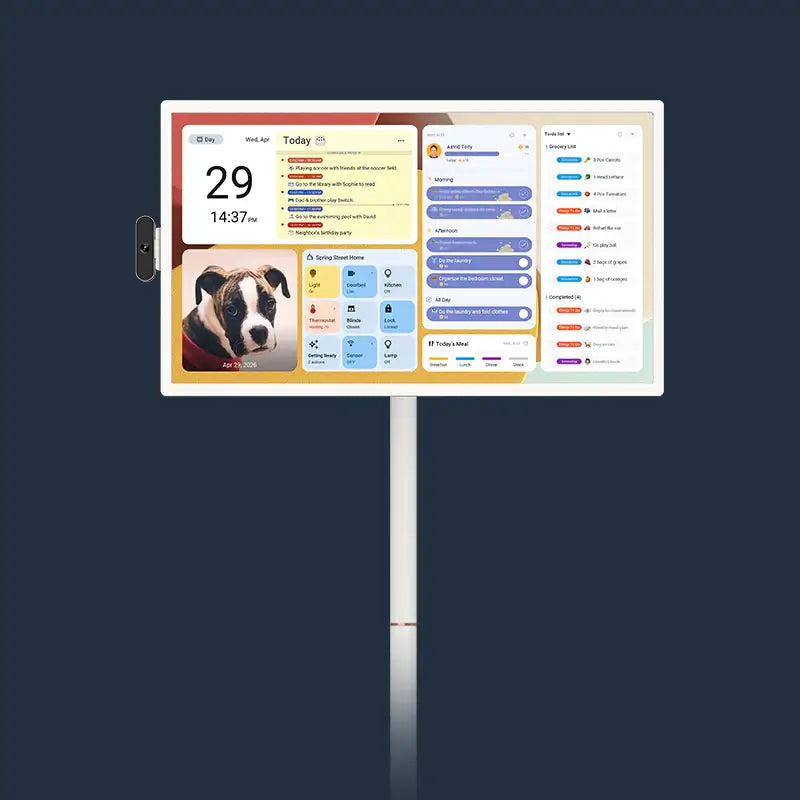
A dedicated digital wall calendar is a different category of device. It is not a repurposed personal gadget; it is a piece of home infrastructure. The Apolosign 27" 4K Digital Calendar, for example, is built for a public, communal space. Its massive 27-inch 4K ultra-clear display provides the "enhanced visibility" a family needs. Most importantly, it features an anti-glare matte finish. That screen is "comfortable for the eyes even in bright rooms," which means the schedule remains legible from breakfast to dinner, solving the glare and size problems that a tablet-hack can never overcome.
Core Widgets: Calendars, Chore Charts, Routines, Meal Plans
A successful digital family command center needs more than just a great screen; it needs powerful, integrated software that solves the core management problems.
First, it must be the "master calendar". The Apolosign 27" 4K Digital Calendar achieves this with its Family Calendar that auto-syncs with major platforms. Whether your family uses Google Calendar, Apple Calendar, Outlook, Yahoo Calendar, or Cozi, the system pulls them all together. Its multi-calendar sync capability allows you to layer work, personal, and family schedules into one unified view.
Second, it must manage chores and routines. A simple checklist is not enough. Digital chore trackers that include points and rewards are highly effective tools for motivating children and teaching responsibility. The Apolosign has a built-in routine task tracker with points. This system gamifies household contributions and turns chores into rewards, helping kids build good habits without a parent's constant "nagging."
Third, it needs to manage lists. The system features custom to-do lists. A family can create grocery, shopping, or wish lists directly on the device or via the mobile app.
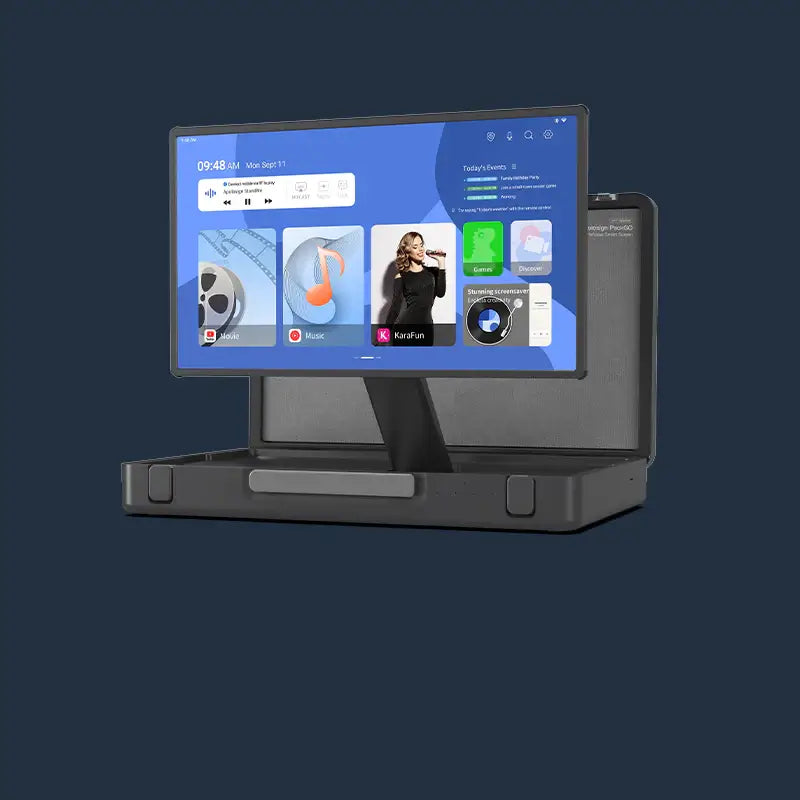
The Apolosign’s most powerful feature is its Dual-Mode Experience, which allows the family to choose its level of complexity. Focus Mode (Calendar Mode) provides an Immersive Calendar View for distraction-free organization, focusing on chore planning, multi-calendar view, and reward tracking. Custom Mode (Android Mode), however, creates a true power-user dashboard. It allows you to freely download and arrange widgets for calendar, weather, music, stocks, meals, and more.

From “Ask Mom” to “Check the Screen”: Scripts You Can Use with Your Kids
A new tool is useless without new habits. The goal is to break the cycle of the "default parent" as the single source of information and re-train your family to seek information from the new, visible hub. The smart features of the Apolosign 27" 4K Digital Calendar supercharge this process. Its highly responsive touch interaction encourages kids to actively explore and check their schedules. Even better, it features voice control with Google Assistant, so kids can easily interact with the device using simple voice commands.
Additionally, the Apolosign includes a points rewards system, making household tasks more engaging and interactive. By completing tasks, children can earn points, which can be redeemed for rewards once a certain amount is accumulated. This points rewards system not only motivates kids to complete tasks on time but also helps them develop better time management habits. The gamified approach encourages children to take an active role in managing their time and responsibilities.
Most importantly, all of Apolosign’s core features, including the calendar, task lists, and the points rewards system, are free of subscription fees for lifetime use. This means families can enjoy the convenience of this tool long-term without worrying about ongoing subscription costs, ensuring that the digital calendar remains an integral part of family life without additional financial burden.
Keeping Your Digital Command Center Alive, Not Cluttered
A command center, even a digital one, is only effective if it is used consistently. The system will fail if the screen becomes a "drop zone" for digital clutter: too many widgets, ignored alerts, or outdated information.
The most important maintenance task is behavioral: schedule a weekly family check-in. Set aside 10-15 minutes every Sunday night to gather around the screen, review the upcoming week, and add any new events. This one habit gets the entire family aligned.
The Apolosign itself is designed to fight "tech clutter" and abandonment. Its Dual-Mode Experience is the perfect de-cluttering tool. If the Custom Mode (Android Dashboard) becomes too busy, you can switch the entire family back to the clean, minimalist Focus Mode (Immersive Calendar View).
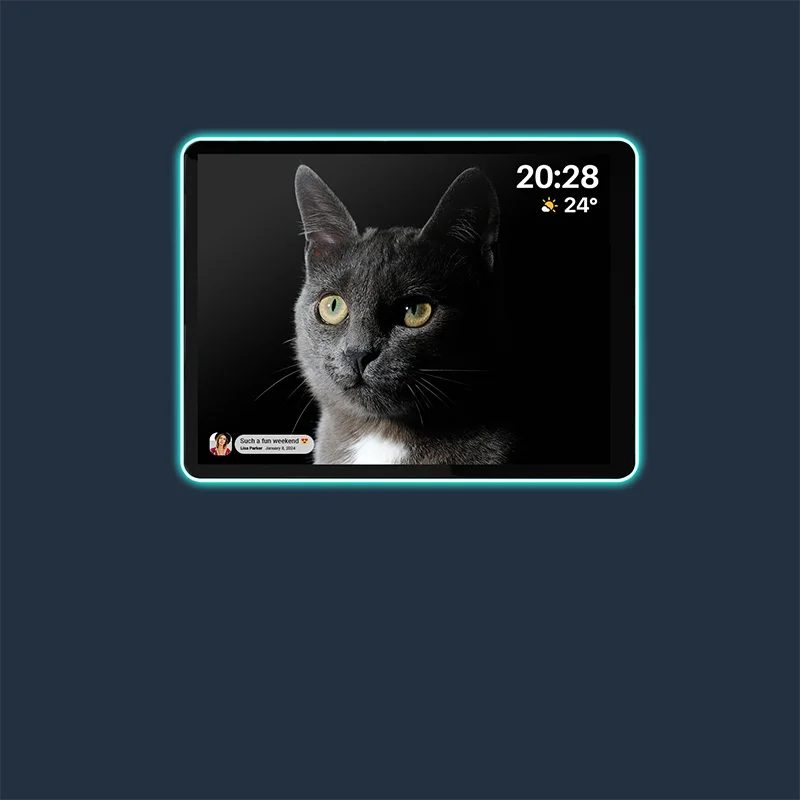
The device also avoids the two main reasons tech gets abandoned: obsolescence and hidden costs. The Apolosign receives ongoing OS updates, which means it gets new features and maintains "long-term reliability." It is an appliance, not a disposable tablet. Furthermore, there are no subscription fees for built-in photo or calendar functions. This removes all financial friction, allowing you to use the device as a beautiful photo frame with Google Photos (no subscription required) forever, a feature that keeps it valuable and central to the home.
Reclaiming Cognitive Space: Why Digital Wall Calendars Work for Families
The goal was never just to get a fancier calendar. The goal was to reclaim cognitive space. Transferring the mental load from one person's exhausted brain to a shared, visible hub is the only way to truly lighten it. A digital family calendar moves the "captain of the ship" from a stressed-out manager to a present collaborator. The invisible work finally becomes visible, manageable, and, most importantly, shared.