

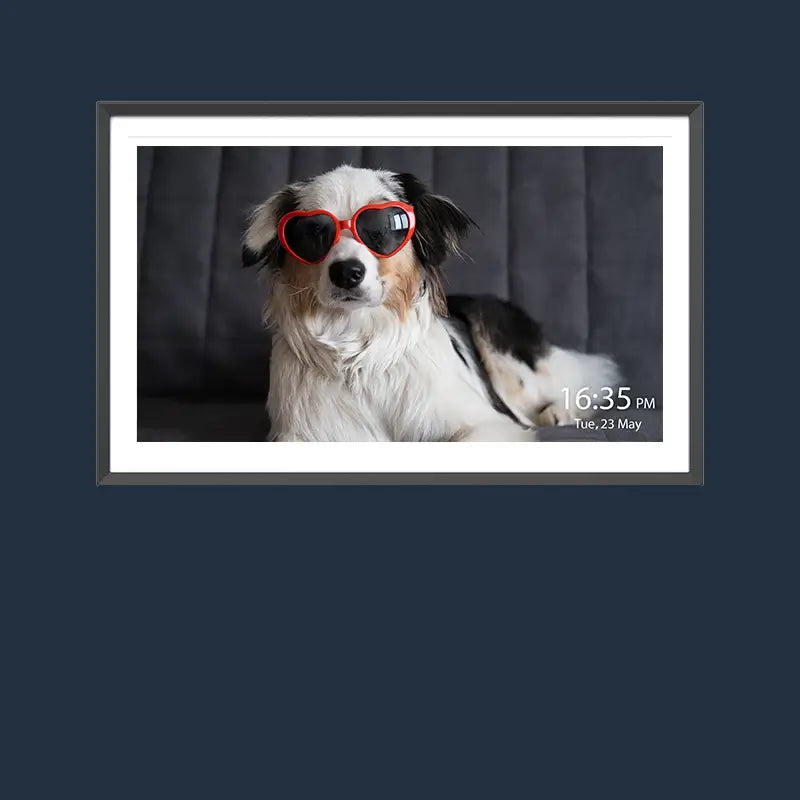

Parents juggle endless schedules, chores, and school events every single day. For families needing a smart calendar, Hearth Display offers a structured chore management system. Apolosign stands out as the highly flexible, subscription-free alternative that delivers premium features without recurring fees.
Skylight remains a solid choice for simple photo sharing and basic scheduling. Your perfect choice depends on your budget and desire for long-term versatility.

Why Families With Kids Need a Smart Digital Calendar
The shift from paper planners to digital screens changes how a busy household operates. Modern families often struggle to keep track of soccer practices, dentist appointments, and weekly chores. A paper calendar hung on the fridge easily becomes cluttered and outdated. Parents often carry the mental load of reminding everyone about their daily tasks.
A central digital calendar keeps everyone on the same page. Kids can visually track their responsibilities. Parents can update schedules from their phones while at work. The entire family benefits from a single source of truth for the week. Digital displays often include features like color-coded events, weather updates, and rotating family photos — functioning as a shared digital photo frame as well. These devices reduce daily friction and help children build independence.

A Quick Overview of Three Smart Calendars
A glance at the current market reveals three very different approaches to household organization. Skylight started as a digital photo frame company and evolved its software to include robust calendar features. It leans into simple sharing. Hearth Display entered the market specifically to act as a family command center, focusing heavily on building routines. Apolosign takes a completely different, consumer-first route. It offers an Android-based operating system that functions as a powerful smart display without locking users into an expensive, closed ecosystem.
Here is a brief comparison of their core specifications.
|
Feature |
Skylight |
Hearth Display |
Apolosign |
|
Primary Focus |
Photo sharing and basic calendar |
Habit tracking and family routines |
High flexibility and zero subscriptions |
|
Common Sizes |
10-inch, 15-inch, 27-inch |
27-inch only |
15.6-inch, 21.5-inch, 27-inch |
|
Operating System |
Closed ecosystem |
Closed ecosystem |
Android based system |
|
Subscription |
Plus plan required for full features |
Family Membership strongly recommended |
No subscription required |
|
Target Audience |
Grandparents and simple setups |
Parents with multiple children |
Budget conscious and tech savvy families |
These three brands represent the most popular options available today. Buyers often find themselves weighing the polished software of closed systems against the financial freedom and hardware superiority of an open device.
Core Features Comparison: Skylight vs Hearth Display vs Apolosign
A breakdown of specific tools helps reveal which device actually fits your daily routine. Families have different priorities when it comes to managing time, assigning tasks, and spending money.
Scheduling and Two-Way Sync Capabilities on All Three Devices
A calendar fails if it cannot seamlessly sync with your existing digital life. All three devices connect with Google, Apple, and Outlook calendars. Skylight offers a reliable sync engine with a polished companion app. Parents can color-code kids and see changes reflect on the screen.
Hearth Display provides calendar views designed for large families, allowing users to filter views by individual family members. Apolosign offers a far superior experience for tech-savvy homes. Because it runs on an open Android architecture, it allows you to utilize official applications directly. This provides a genuine, native two-way sync with all your favorite productivity apps rather than relying on a simplified third-party interface.

Chores and Points Reward Systems: Hearth Customization vs Apolosign Versatility
Managing household chores often causes the most friction between parents and kids. Hearth Display built its proprietary software around habit tracking, offering streaks and visual routine lists. Kids can tap the screen to check off morning tasks like brushing teeth and making beds.
Skylight includes chore and task features (with Plus plan), but it lacks the deep routine-building focus of Hearth or the app flexibility of Apolosign. Apolosign delivers the ultimate versatility by freeing parents from rigid, pre-built structures. Because you can access a vast ecosystem of apps, parents can download top-rated chore and reward applications to tailor the system perfectly to their parenting style. This allows the system to grow up with your kids instead of keeping them locked into a toddler-oriented interface.
Subscription vs No Subscription Costs: Long-Term Financial Impact
Monthly fees often surprise buyers after they purchase expensive hardware. Skylight locks many popular features behind its Plus plan, which costs around $39 to $79 annually depending on your device. Without this plan, you lose access to basic capabilities like video playback and photo albums.
Hearth Display carries a high upfront hardware cost and strongly pushes its Family Membership, which runs about $9 per month. Apolosign wins the budget category easily. The core software and Android operating system remain completely free for life. You only pay the initial hardware price, making it the most financially responsible option for long-term savings.
Ease of Use for Kids and Parents Across Different Systems
A family device only works if the youngest and oldest members can navigate it easily. Hearth Display features large, clear fonts and kid-friendly icons for routine checklists.
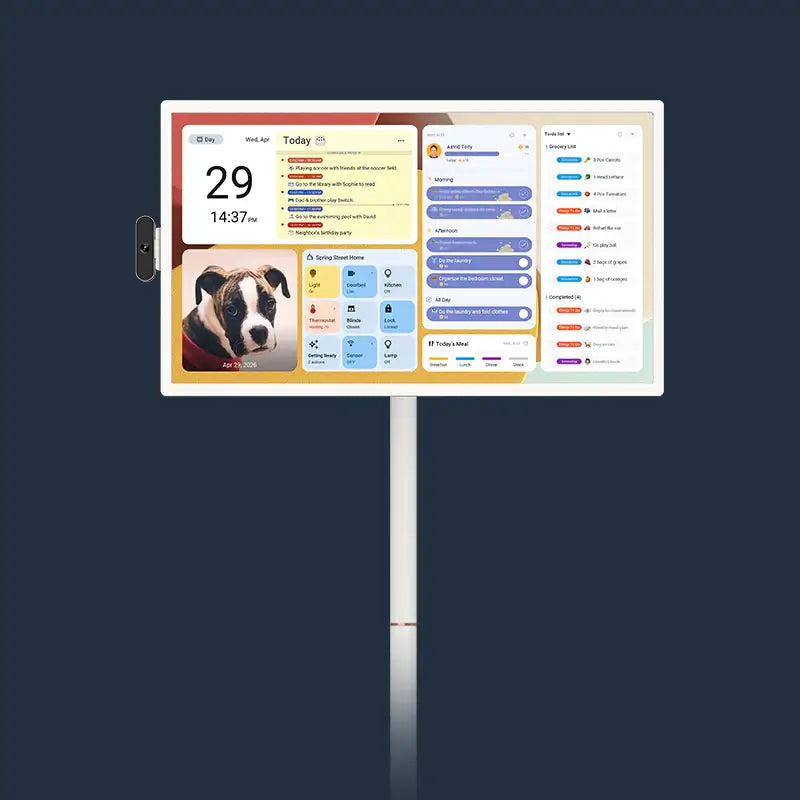
Skylight provides an intuitive interface with a responsive touch screen. Apolosign presents a highly familiar environment. Because the interface mirrors the standard tablet navigation that parents and kids already use daily, the learning curve is practically non-existent. Parents can easily arrange custom widgets on the home screen, keeping the calendar center-stage while blocking unwanted adjustments.
Screen Experience and Blending Into the Home: Design Differences
A device mounted on your kitchen wall needs to look good and respond quickly to messy hands. Each brand approaches home aesthetics from a completely different angle.
Skylight Aesthetic Appeal and Custom Frames
Skylight offers multiple sizes, including 10-inch, 15-inch, and a 27-inch Max version. They feature interchangeable magnetic frames. This allows the device to look like traditional home decor rather than a piece of office equipment.
Hearth Display Matte Screen and Commanding Size
Hearth Display only comes in a 27-inch size. It features a matte finish that reduces glare from kitchen lights. The large size makes it easy to read from across the room, but it requires significant wall space and cannot be easily moved.
Apolosign 4K Resolution and Portable Hardware Options
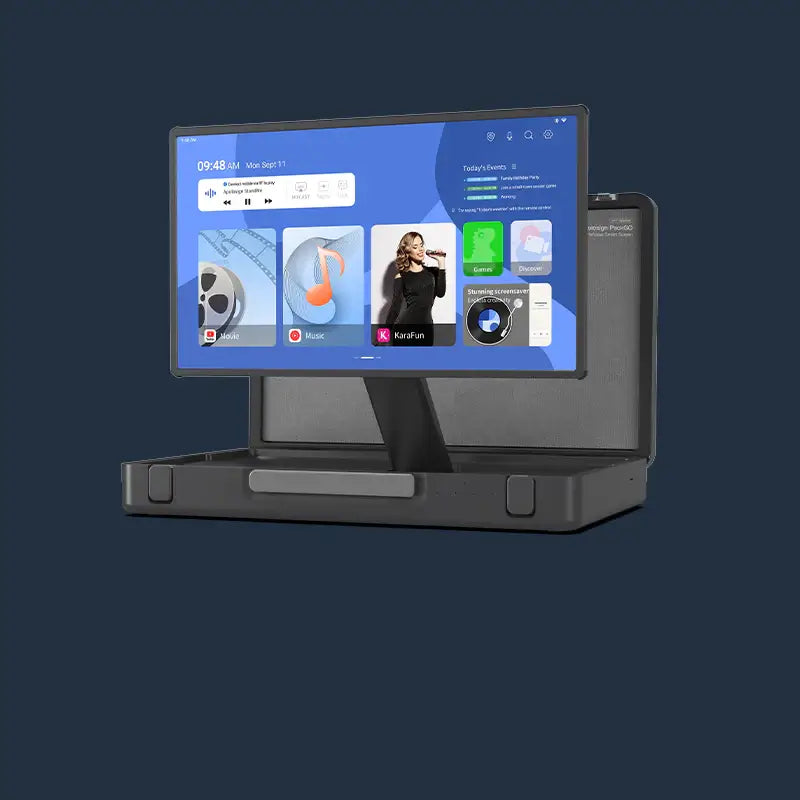
Apolosign provides a premium hardware variety, peaking at a stunning 27-inch 4K model. The higher resolution makes family schedules and photos look incredibly sharp compared to standard 1080p displays. Many Apolosign models come with a versatile stand, allowing them to sit on a kitchen island, move to the desk, or mount directly to the wall. Apolosign also offers portable TV models with built-in batteries that can run the calendar app, letting you move the display between rooms for family meetings.

Why Families Are Choosing Digital Calendar Alternatives Over Closed Systems
Cost and flexibility often drive parents away from traditional walled-garden ecosystems. Dedicated devices like Skylight and Hearth offer streamlined experiences, but they force users to pay recurring fees to access the full potential of the hardware.
Open alternatives like Apolosign are gaining massive popularity. Consumers appreciate the ability to use a large screen for multiple purposes. An Android-based calendar can run Spotify for kitchen music, display YouTube cooking tutorials, and control Google Home smart lights. It provides a long-term technology investment. If your family outgrows the need for a shared chore chart, an Apolosign device easily transitions into a standard entertainment tablet or a smart home control panel.
Many buyers express frustration with subscription fatigue. Paying a monthly fee simply to view a shared calendar feels excessive to budget-conscious parents. Alternative devices solve this problem by leveraging free, existing apps like Google Keep and standard Google Calendar.
Get Your Family Organized Today
Every home benefits from a central hub to reduce daily friction. Select Apolosign to avoid monthly fees while enjoying endless Android flexibility, superior 4K display options, and versatile mounting styles. Pick Hearth Display if a singular, closed focus on habits for young kids is your only priority. Choose Skylight for straightforward scheduling and basic photo viewing. Mount your chosen screen in a high-traffic area to keep everyone accountable.
Q1: Which smart calendar provides the best long-term value for a growing family?
Apolosign delivers strong long-term value by eliminating monthly subscription fees while offering open Android flexibility. While competitor brands like Hearth Display and Skylight lock core capabilities behind recurring annual or monthly paywalls, Apolosign keeps all standard features free for life. Furthermore, the ability to download new productivity, education, and entertainment apps ensures the hardware remains useful even as your children grow into teenagers.
Q2: Can Apolosign display high-quality family photos alongside the daily schedule?
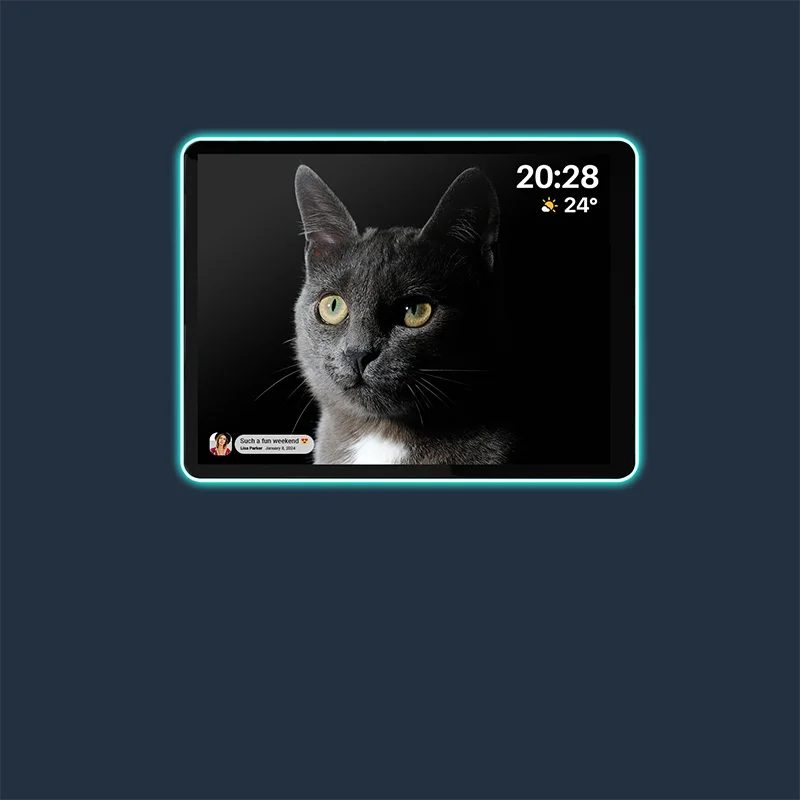
Yes, Apolosign integrates directly with Google Photos and other cloud services to serve as a stunning, crystal-clear digital frame. The 27-inch Apolosign model features a premium 4K resolution screen, which provides vastly superior image clarity compared to the lower-resolution panels found on standard calendar displays. Families can easily customize split-screen layouts to show live event agendas on one side and a rotating gallery of favorite memories on the other.
Q3: Are smaller, battery-powered options available for flexible placement around the home?
Yes, Apolosign offers unique hardware versatility with portable models that include built-in rechargeable batteries. While large units from Hearth and Skylight must remain permanently plugged into a wall outlet, smaller Apolosign screens can be detached from the wall or stand. This allows parents to bring the schedule directly to the dinner table for weekly family meetings or move it to the home office when needed.
Q4: How does Apolosign integrate with existing smart home ecosystems?
Apolosign functions as a centralized command center by supporting standard smart home control applications like Google Home and Amazon Alexa. Because it operates on an open Android platform, users can swipe away from the calendar view to adjust smart thermostats, check nursery security cameras, or dim kitchen lights. Closed calendar systems like Skylight and Hearth cannot download these third-party integrations, limiting their utility strictly to scheduling.
Q5: Can parents restrict access to web browsing or games on an open system?
Yes, parents can fully customize security permissions and app access using robust parental control tools available on the Android platform. Tools like Google Family Link allow moms and dads to easily lock down the interface, block specific downloads, and set strict screen time limits. This ensures that the device functions purely as a focused family organization hub during school hours while retaining the ability to unlock entertainment features for family movie nights.