


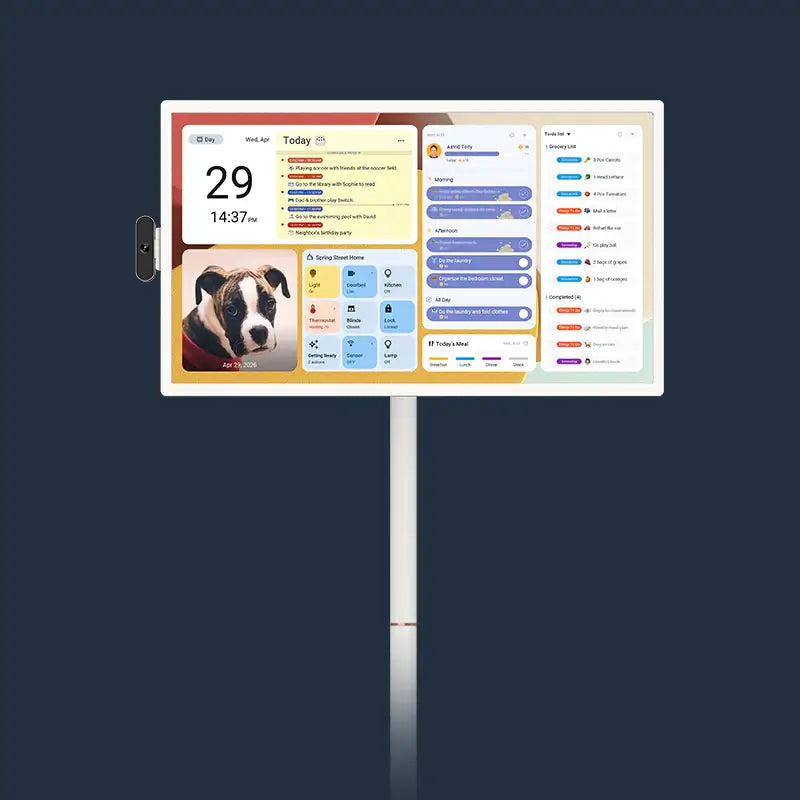

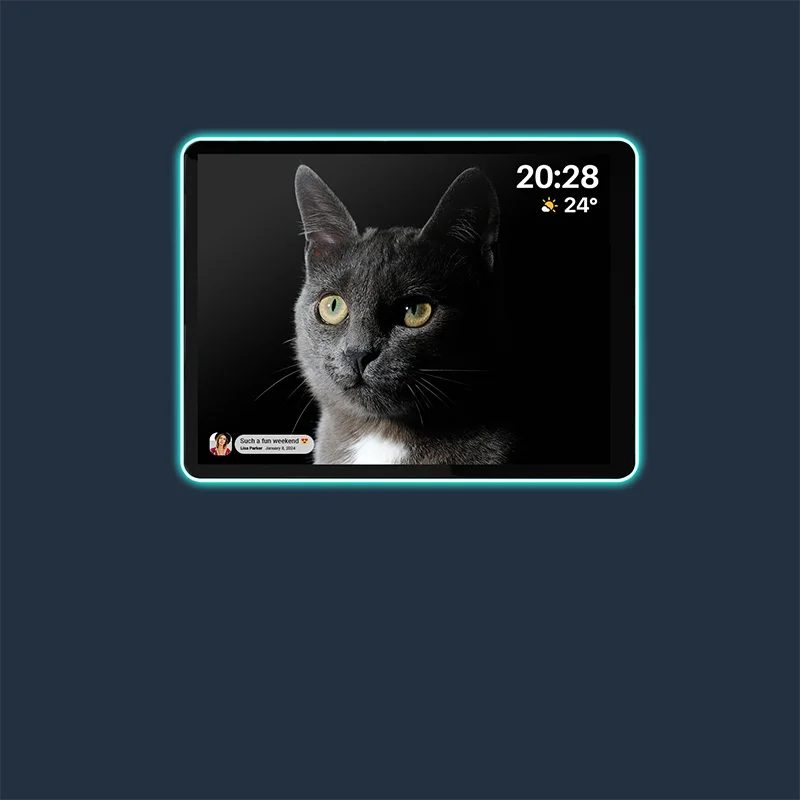


The fastest way to build a family command center in a small rental apartment is to pick one high-traffic spot, set a firm spending cap, and use freestanding or desk-ready hardware instead of anything that needs drilling. If the real problem is loose papers and keys, a paper calendar and a small tray solve it for less money and less counter space. Add a digital display only if your family keeps missing shared updates that live on separate phones.
Choose the Format by the Problem You Need to Fix
The right format depends on what keeps breaking down at home: missed updates or physical clutter. Match the setup to that specific problem instead of buying based on looks.
Choose a Display When Phone Updates Keep Getting Missed
A shared digital display earns its space when the household regularly misses practice changes, appointment shifts, or chore assignments because that information sits on one parent's phone. These screens can be propped on a countertop, and many combine a shared calendar with chore tracking, meal planning, or photo display. That flexibility matters in a rental where drilling is off the table. The display only helps, though, if someone actually keeps the calendar current. Buying the hardware does not create the habit, so treat this as a household routine decision as much as a shopping decision. If your family already checks a shared phone calendar without trouble, skip this step.
Keep It Paper or Desktop-Only When the Goal Is a Drop Zone
If the daily struggle is keys, permission slips, lunch money, or outgoing mail piling up on the counter, a paper calendar, a clipboard, and one small tray solve that problem directly. This path costs less and takes up almost no space, which matters when phone calendars already handle the shared schedule fine. It also skips the setup and power needs of a screen entirely. The result is a single physical landing spot near the door or kitchen edge where everyone knows to check and drop items on the way in or out. Before deciding this is not enough, ask whether the actual complaint is about visibility or about clutter. When shared phone schedules repeatedly fail to keep everyone aligned, a paper drop zone alone will not resolve missed appointments.

Pick a High-Traffic Location That Does Not Crowd the Apartment
The location matters more than the format. A command center that nobody passes during the day gets ignored no matter how it is built.
Use the Traffic Path, Not the Biggest Empty Wall
Put the command center where family members already walk through during school mornings, work exits, or bedtime routines, not on the largest open wall in the living room. A spot near the entryway, a kitchen edge, or a hallway that leads to the front door usually beats a formal display wall that people rarely look at directly. Before buying anything, mark the proposed footprint with a strip of removable tape on the counter or floor. Walk through your normal routine and check that the taped area does not block a cabinet, a walkway, or a chair.
Plan the Viewing and Outlet Zone Together
Decide where the display or board will actually be seen from, then check that an outlet or extension path reaches that spot without crossing a walkway. Keep the footprint off surfaces you need for cooking, eating, or setting down bags and keys during a normal transition. If cable routing is required, keep it flat against existing furniture rather than running it across open floor. Do not treat any adhesive cord clip or hook as automatically safe for your lease; that question gets answered in the next section, before you attach anything.
Set a Strict Budget with a Renter-Focused Hardware Checklist
Set your total spending cap before you shop, then only buy items on the list for the format you chose in the first section. This keeps a small rental project from turning into an accessory-buying spree.

If you're going digital, the essentials are:
- A desk-ready digital display, such as one that already includes a stand and power adapter
- The included power adapter and stand (skip buying separate ones if they come with the display)
- One cable management item, only if your furniture layout actually needs it
If you're staying paper-and-desktop, the essentials are:
- A paper wall or desk calendar, or a weekly planning sheet
- One pen or marker kept in a fixed spot
- A clipboard or slim document holder
- One small tray for keys, mail, or outgoing items, only if clutter is the actual problem
Optional, and only after the core setup works:
- Labels for the tray or holder
- A second smaller tray for a specific category, like school forms
- A removable organizer, once you know exactly what you're organizing
Skip mounting hardware, decorative frames, and extra accessories until the family has tested the location and format for a couple of weeks. Buying decor before testing use is the fastest way to overspend on a rental setup you might still change.

Build the Command Center Without Drilling
Assemble the setup in order: measure first, check the lease, choose the surface, route power safely, then test it with the family. Skipping the lease check is the step renters regret most.
Measure the Footprint First
Measure the available width, depth, and height in inches before you shop for anything. Mark the planned footprint with removable tape and leave normal clearance for walking, opening cabinets, and setting things down nearby. Sketch the outlet location and the path the power cord will take in the same measurement pass, so you are not guessing later.
Read the Lease Before Choosing Attachment
Check your written lease before you stick, screw, or hang anything. A sample HUD lease restricts lease-controlled alterations and adhesive materials without the owner's written consent, and many private rental agreements use similar language. Treat freestanding or desktop placement as your default unless your specific lease clearly allows something else in writing. Removable adhesive strips and magnetic hardware are not automatically safe for every rental surface or lease, even when they are marketed that way, so confirm before you commit.
Select the Display or Paper Surface
For the digital path, a desk-ready model like our Apolosign 15.6-inch calendar is a practical candidate because it includes a desk stand and a power adapter in the box, along with syncing for Apple, Google, and Outlook calendars and no subscription requirement. That combination fits a no-drill setup on a countertop, desk, or shelf better than a display built primarily for wall mounting. For the paper path, give the calendar and the drop tray one fixed home near your chosen traffic spot. Do not scatter the pieces across multiple surfaces; one consistent location is what makes either format work.

Route Power Without Permanent Fixtures
Keep the power cord close to existing furniture and away from walking paths, the stove, and any door swing. Use a loose cable sleeve or clip that does not require adhesive or screws if you want tidier routing, and only use anything that attaches to a wall or baseboard if your lease clearly permits it. Avoid claiming a specific cord length will reach your outlet; measure your own space instead, since adapters vary by model.
Run a Family Test Before Calling It Finished
Once everything is in place, have each family member check the shared display or drop zone during a normal transition, like leaving for school or coming home from work. Confirm that everyone can actually see the schedule or find the tray without asking where it is. If something goes unused after a week or two, remove it or swap it out before adding anything else, rather than assuming more accessories will fix low engagement.
Create a Routine the Whole Family Can Follow
A command center only stays useful if someone keeps it updated and the household agrees on what belongs there. The hardware is the easy part; the routine is what makes it stick.
Assign One Update Owner and One Shared Rule
Pick one person, or one clear rotation, responsible for entering schedule changes, chores, or reminders. Keep the visible content limited to information the household needs to act on that day or week, not every detail from every calendar. A predictable update habit is what prevents the command center from becoming one more thing nobody checks.
Keep the Screen from Becoming Another Chore
After a couple of weeks, remove any widget, paper, or accessory nobody is using. If the family still misses updates, or the setup adds more clutter than it removes, switch to the simpler paper-only path instead of adding more hardware. Let practical day-to-day use guide whether to expand or trim down the station.
Finding the Best Setup for Your Rental
Families that keep missing shared updates on individual phones get the most value from a desk-ready digital display placed in a primary walking path. Households whose main bottleneck is physical clutter, such as mail, school forms, and keys, will find that a paper calendar paired with a compact landing tray solves the problem with zero power needs and lower cost.
Before purchasing extra organizing gear, verify your lease terms and test your selected station for two weeks to make sure the household maintains the routine. If a freestanding digital hub fits your apartment workflow, consider our Apolosign 15.6-inch calendar as a desk-ready option that requires no wall holes or recurring fees.
FAQs
What should I do if my rental lease is unclear about removable mounting?
If your lease does not clearly address adhesive strips, magnetic hardware, or similar attachments, do not install them. Use a freestanding or desktop arrangement instead, or ask your landlord in writing for permission for the specific method you want to use. Treat silence in the lease as a reason to stay cautious, not as approval.
What information belongs on a shared family command center?
Keep the shared view limited to logistics everyone in the household needs at a glance, such as events, chores, meals, and reminders. Personal or sensitive details, like account passwords or private messages, belong on an individual phone or account instead of a screen everyone can see.
What if nobody keeps the family command center updated?
If the household stops maintaining the shared calendar or drop zone, pause any further spending and revert to the simpler paper-and-device setup. Run a short trial with one clearly assigned update owner before adding more hardware or switching formats again.