


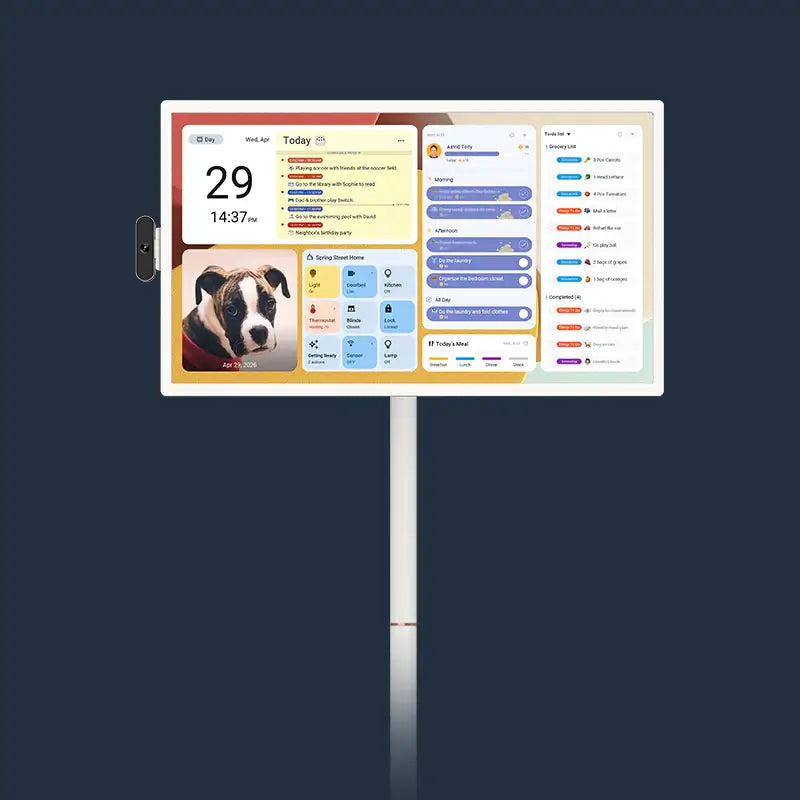
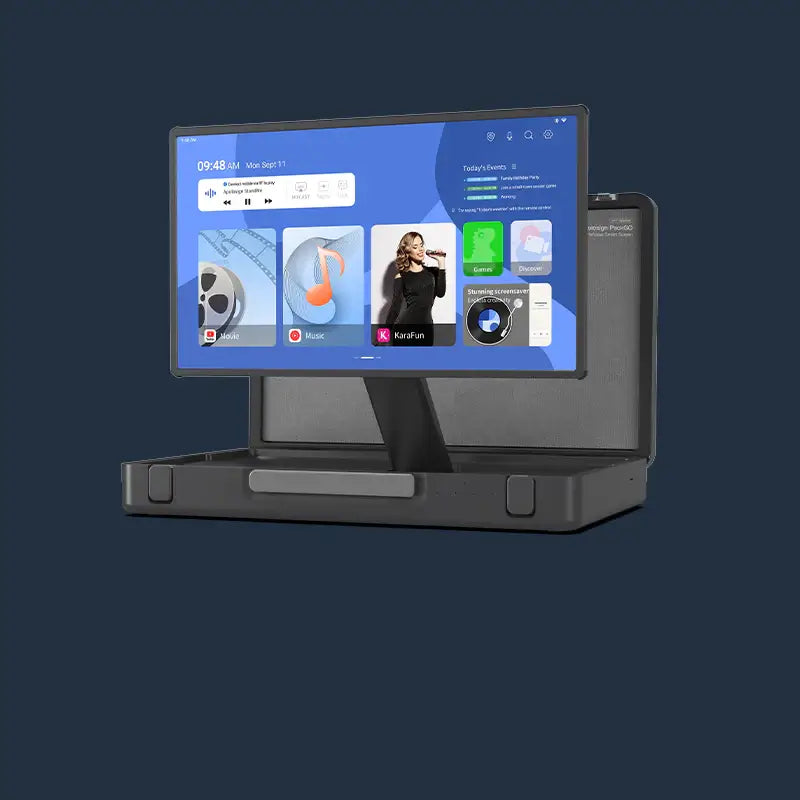
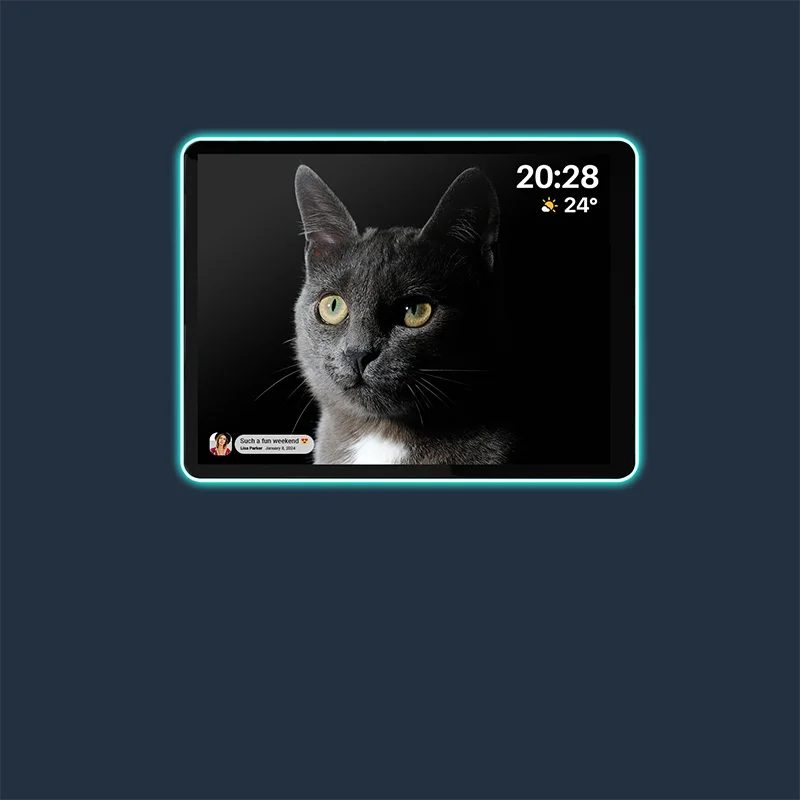


The best chore system depends on what your family needs to see and update. Choose a paper chore chart for a short, stable routine that children can find and mark themselves. Choose a digital chore system when schedules change, several caregivers need the same current view, or responsibilities move between homes. Use a hybrid setup only when children need a physical cue and adults also need digital coordination.

Use three gates: Can the children see and understand their tasks? Do assignments need to reach different caregivers or locations? Will someone keep the system current? The simplest format that passes all three is usually the best starting point.
Paper, Digital, or Hybrid: Which Chore Chart Fits Your Family?
Paper is usually the easiest starting point for a stable, child-visible routine. Digital works better when coordination matters more than a single wall location. Hybrid is worth the extra upkeep only when each format solves a different problem.
| Format | Best fit | Visibility and ownership | Schedule and caregiver reach | Setup and upkeep trade-off |
|---|---|---|---|---|
| Paper chore chart | Young children or families with recurring tasks that rarely change | A fixed, hands-on location makes tasks easy to find and mark complete. Give each child a name, marker, or separate row. | Best when everyone uses the same home and usually sees the same chart. Changes require manual edits. | Fastest to start and does not depend on a device. An adult must reset assignments and remove outdated tasks. |
| Digital chore system | Changing schedules, multiple caregivers, multiple children, or two homes | A shared device can show task owners and completion to more than one person. Children still need reliable access and a clear way to use it. | A better fit when assignments or reminders need to reach caregivers in different places. Access and regular updates become part of the routine. | Takes more setup than paper but requires less rewriting when recurring assignments change. Without regular use, it can become another adult-managed inbox. |
| Hybrid chore chart and family calendar | Adults need portable coordination while children still need a local physical cue | Paper gives the child a direct daily prompt; digital holds the caregiver-facing record. Choose one official source of truth. | Useful for changing schedules or two homes when the digital layer carries shared planning. Each home must follow the update rule. | Requires the most upkeep because two connected views need to stay aligned. Use it only when paper and digital solve separate, ongoing problems. |
Start with paper if child independence and visibility are the main challenges. Move to digital if changing assignments, reminders, or shared caregiver access are the real bottlenecks. Choose hybrid only when you need both a child-facing cue and caregiver coordination—not because combining tools sounds more advanced.
No format can fix unclear ownership. Before choosing, make sure every task has one person responsible, a clear definition of “done,” and one current place where the family checks assignments.

Choose Paper When Children Need a Stable, Visible Routine
With ownership and a completion signal settled, the next decision is which format actually delivers them—starting with the simplest option, paper.
When Paper Fits Best
Choose paper when a child is learning independence and the routine is predictable enough to stay current in one familiar spot. Keep the list short and recurring rather than covering every household responsibility—a crowded chart is harder for children to scan and follow.
Setting Up a Paper Chart
- Place the chart where children already look, such as near the refrigerator or where they get ready for the day, so the cue sits in their daily path.
- Start with tasks the child can explain and complete clearly, such as putting away personal items or feeding a pet.
- Give each task one owner—by name, magnet, color, or row—so siblings don't have to guess.
- Define what "done" means, then add a mark, magnet, or movable token for completion.
A specific visible chore chart reminds children what to do and shows which responsibilities they've completed.
Paper's Trade-off
Paper works best when children forget where to look, don't regularly use screens, or need a direct link between task and completion mark. The trade-off is manual upkeep: an adult must rewrite or reset the chart when schedules change, so paper becomes less convenient as household complexity grows.

Choose Digital or Hybrid When Schedules and Caregivers Change
Once a household outgrows a single fixed routine—through changing schedules or caregivers who aren't all in one place—paper's manual upkeep becomes the limiting factor, and digital or hybrid formats take over.
Digital for Multiple Caregivers or Two Homes
Choose digital when assignments change often or several caregivers need the same current view. The real question isn't feature count—it's whether the people responsible will reliably check and update one current assignment view.
- For multiple children, keep ownership separate and use a completion signal any caregiver can read at a glance.
- For two homes, agree on the task list, who updates the current record, and how each home shows completion, then set one update rule so separate copies don't drift apart.
A digital system can carry shared planning between homes, but it won't automatically align expectations or update separate routines on its own.
Hybrid for a Physical Cue Plus Coordination
Choose hybrid when adults need portable coordination but children still need a physical daily cue. Digital carries the shared plan across locations; a local paper cue in each home covers the part digital can't.
Picking a Digital Tool
Use a phone if caregivers already check it and children can reliably access the relevant view—this avoids adding a new device. For a shared household display, see when a shared display helps or browse digital calendar options.

One option is our Apolosign 21.5-inch display. It syncs with Google Calendar, Outlook, iCloud, Yahoo, and Cozi, and includes routine tasks with points and rewards plus a family message board with reminders and countdowns. These features don't guarantee completion or synchronize two homes without agreed rules and regular updates.
Quick Comparison
| Format | Best Fit | Main Trade-off |
|---|---|---|
| Paper | One home, stable routine, child needs a visible cue | Manual rewrites as the schedule changes |
| Digital | Changing assignments, multiple caregivers, or two homes | Requires reliable, regular access and updates |
| Hybrid | Child needs a physical cue AND adults need coordination | Most upkeep—two views must stay aligned |
For a stable routine in one home, choose paper. For changing assignments or several caregivers, choose digital. Choose hybrid only when children need a physical cue and adults need portable coordination, since maintaining both views adds work.
FAQs
Are Digital Chore Charts Better Than Paper?
No format works best for every family. Paper fits a stable routine that children can see and mark easily. Digital fits changing schedules, reminders, and shared caregiver access. Hybrid fits the narrower case where children need a physical cue while adults need digital coordination.
What Is the Best Chore System for a Family?
The best chore system is the one children and caregivers can consistently see, understand, update, and use to show completion. Choose reliability over sophistication. If the people responsible will not check the system, simplify it.
Can a Chore System Work Across Two Homes?
Yes, with the right structure. Both homes need aligned expectations, clear task ownership, a shared view or matching local routines, and a clear rule for who updates the current record. The paper, digital, or hybrid label matters less than keeping responsibilities understandable in both places.
When Is a Hybrid Chore Chart Worth Using?
A hybrid setup is worth using when a physical child cue and digital schedule coordination or reminders solve separate problems. It is not worth the added handoff when paper and digital simply duplicate the same list.
Start With the Smallest Chore System You Can Maintain
Start with one current view, a short list of concrete tasks, one owner per task, one clear completion signal, and one regular update time.
Pick where the official record lives, and if you use both paper and digital, name one as the source of truth. Write specific daily or weekly tasks instead of broad directions, assign one owner per task even when siblings share a space, and define what "done" looks like — a mark, moved magnet, or digital status. Set one regular time to update the list as tasks change.
If the routine is failing, ask three questions before changing formats: What is mine? When do I do it? How do I show it is done? If a child cannot answer one of them, fix the wording, owner, or completion signal first — the format is only the problem once everyone understands the system but still can't reach or maintain it.
Choose paper for a stable, child-led routine, and hybrid only when both a physical cue and a digital record are truly necessary. For most families juggling changing assignments, multiple caregivers, or missed timing, a digital calendar is the simplest way to keep everyone coordinated. Start with one today, set it where the family already looks, and let it grow only as real gaps in access or upkeep appear.