





A Wednesday-night mid-week check is a short review of what is left in your school week. In about 10 minutes, you look at Thursday and Friday, fix any ride problems, move a meal if the schedule has changed, and give each fix to one person to handle. The result is not a full new weekly plan. It is a short, current list of changes that everyone can see before the busiest nights arrive.
This works because predictable routines help everyone know what is expected and when they need to show up. A short mid-week review can make the remaining household responsibilities and timing visible before Thursday and Friday get crowded. The rest of this guide walks through the check step by step, then covers the two scenarios that change most often: rides and meals.
The 10-Minute Wednesday Check
The check has five short stages that move from scanning the schedule to reading the final plan back. Do them in order and stop once you have a clear Thursday and Friday view with named owners.
Minutes 0 to 2: Scan Thursday and Friday
Look only at what is left in the week. Skim school pickups, work shifts, sports, appointments, and any late-arrival plans for Thursday and Friday only, ignoring what already happened earlier in the week.
Mark anything that overlaps, starts at an unusual time, or changes when someone needs to be picked up or fed. The result should be a short list of two or three pressure points, not a full-week rebuild.
Minutes 2 to 5: Settle Ride Duties
For each pressure point you marked, name the driver, a handoff, a shared trip, or a backup right now. Write the change next to the event so the person picking up or dropping off can see it later.
When this step is done, no ride should still depend on someone who is unavailable or unnamed. That single fix removes most last-minute scrambling before it starts.

Minutes 5 to 7: Move the Easiest Meal
Match the lowest-effort meal on your list to the night that ends latest or leaves the least cooking time. Move a meal that needs more time to a night with more room for it.
This is a schedule match, not a fixed rule about which night gets which meal. The expected result is a dinner plan that fits the week you actually have this week, not the one you planned last weekend.
Minutes 7 to 9: Assign the Next Actions
Give each change one named person: who drives, who buys a missing ingredient, who preps something ahead, or who sends a message to confirm a ride. Attach a deadline or a trigger, such as "before practice" or "by Thursday morning."
This turns each fix from a conversation into a task someone owns. Without this step, the same conflict often resurfaces on Thursday with no one ready to solve it.
Minute 9 to 10: Read the Plan Back
Say the changed rides, meals, backup plan, and owners out loud, or place them in your household's shared view. Drop anything that is no longer accurate.
Everyone should leave this minute with the same short version of Thursday and Friday. That shared version, not a longer schedule, is the actual output of the check.

Fix Ride Duties Before Thursday Gets Tight
Ride problems change the fastest, so the fix depends on what actually broke: an unavailable driver or an activity overlap. Handle each one differently and record the outcome right away.
When a Driver Becomes Unavailable
Replace the driver with a named backup person or a handoff to another adult, rather than leaving the slot open. If the same change affects two events, decide whether one person can combine both trips or whether each event needs separate coverage.
Write the new arrangement next to the affected event so it is visible to whoever needs to act on it. A ride assignment that only exists in someone's memory tends to fall apart by Thursday afternoon.
When Activities Create an Overlap
Start with whichever event has the least flexible start time or the fewest available drivers, and cover it first. Then assign the other event's pickup, drop-off, or waiting period to a separate person.
Finish with one clear message to everyone affected, naming who is covering what and when. That single message replaces several separate check-ins later in the week.
Rebalance Thursday and Friday Meals
Meal plans stop working when the week gets later or busier than expected, so the fix is to match effort to the actual night, not to defend the original plan. The same routine works whether the mismatch is a late activity, a missing ingredient, or low energy after a long day.
Put the Lowest-Effort Meal on the Late Night
Move your simplest option, something like sandwiches, a quick stir-fry, or leftovers, to the night with the latest activity or the least free time. Using flexible family meal planning makes dinner realistic instead of rushed.
Save any meal that takes more time or attention for the night with more room in it. This is a swap based on this week's calendar, not a permanent weekday rule.
Name the Backup and the Ingredient Action
Pick one backup meal that is already on hand or easy to grab, such as a frozen pizza or a simple salad, in case the new plan still does not fit. Assign one person to buy a missing ingredient, thaw something, or chop what is needed ahead of time.
Write the backup next to the main dinner plan so it is visible, not just remembered. A visible backup is what actually gets used on a night when nobody has energy left to improvise.

Give Every Change One Owner
Every fix from the check needs one named person attached to it, or it tends to quietly disappear by Thursday. The format is simple: person, action, timing or trigger, and a backup if one applies.
Write the Handoff in One Line
Use a short line like "Maria picks up Jake at 5:30 after soccer, backup is Dan if practice runs late." Keep that line next to the ride or meal it covers instead of in a separate note.
Choose the person who can actually complete the action or hand it off, not just whoever is closest at the time. A handoff that names the wrong person usually needs a second round of messages to fix.
Keep the View Current Through Friday
Add a cancellation or a schedule change as soon as it happens, rather than waiting for the next Wednesday check. Let the person affected confirm they saw the update through whatever method your household already uses, whether that is a text, a note, or a shared calendar entry.
Keep using the same shared place for the current version of the plan all week. The Wednesday check resets the plan, but it still needs small updates in between.

When a Visible Shared Calendar Helps
Some households already have everything they need, and others are missing one thing: a shared view everyone actually looks at. The right choice depends on where your current system breaks down, not on adding new hardware by default.
Your Existing Calendar May Be Enough
If your phone calendar, paper planner, counter display, or family group chat is current, shared, and easy for everyone to check, keep using it. The Wednesday check itself solves the review problem, and it works with whatever tool your household already trusts.
The test is simple: do the people who need to know a ride or meal change actually see it in time? If yes, a new display will not add much.
A Visible Display May Fit a Real Visibility Gap
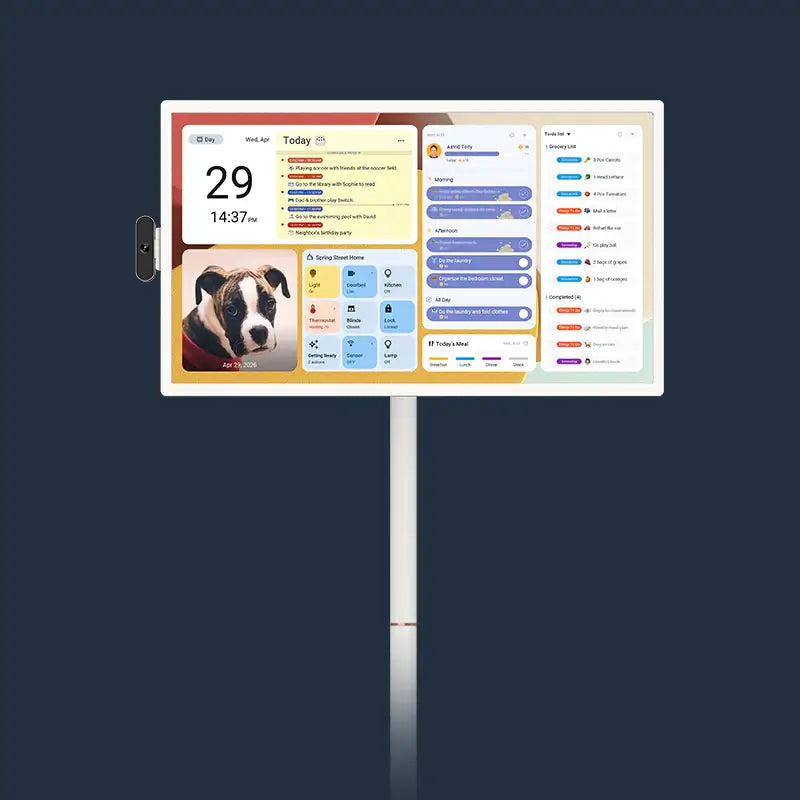
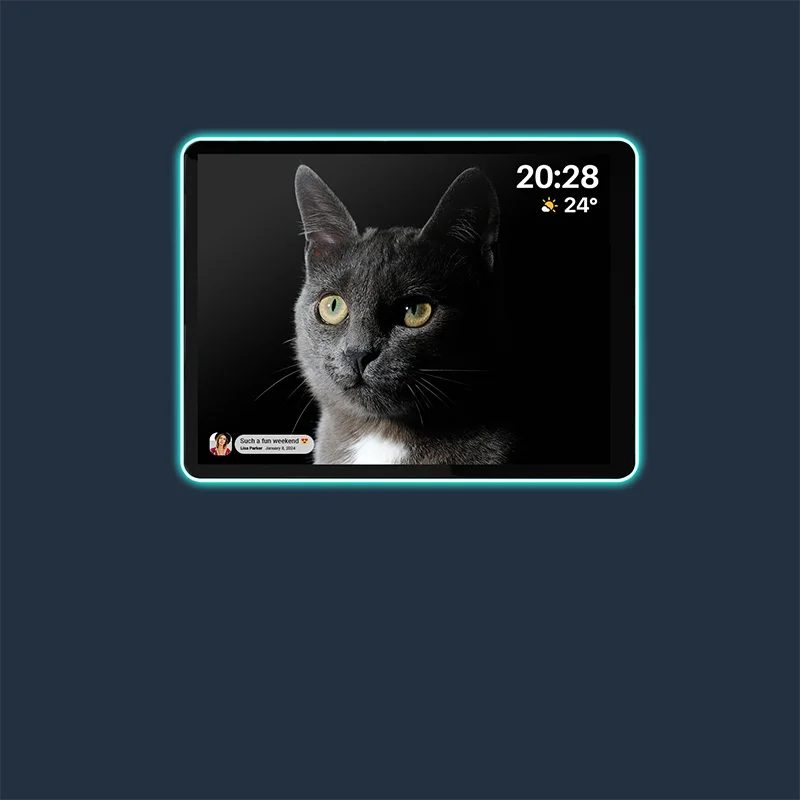
A dedicated screen becomes more useful when family members regularly miss phone updates or when the household needs the current plan visible in a shared spot like the kitchen or entryway. The Apolosign 15.6" Digital Calendar auto-syncs Apple, Google, and Outlook calendars, includes meal planning and a Message Board for reminders, and comes with a desktop stand, so the plan from your Wednesday check can stay visible without extra typing into a second app.
If your household's real problem is that changes get lost between people rather than a lack of planning, a shared smart display can hold that view. We built it to sync with the calendars families already use, not replace the Wednesday check itself. If your current setup already works, there is no need to add one.
FAQs
How often should we do a Wednesday mid-week schedule check?
Once a week is usually enough, timed for Wednesday evening so you can see the rest of the school week clearly. Add an extra check any week that includes an unusually crowded Thursday or Friday, such as a tournament or a late work shift.
What should we do when plans change again after the check?
Update the specific ride or meal assignment that changed and tell the person who owns that action right away, instead of waiting for the next Wednesday. A quick message or a note on your shared calendar is enough to keep the plan accurate.
What is the simplest way to keep everyone looking at the same plan?
Pick one shared place, whether that is a paper list on the fridge, a phone calendar, or a wall display, and put every change there even if it started as a text message or a school email. One current location beats several partly updated ones.