


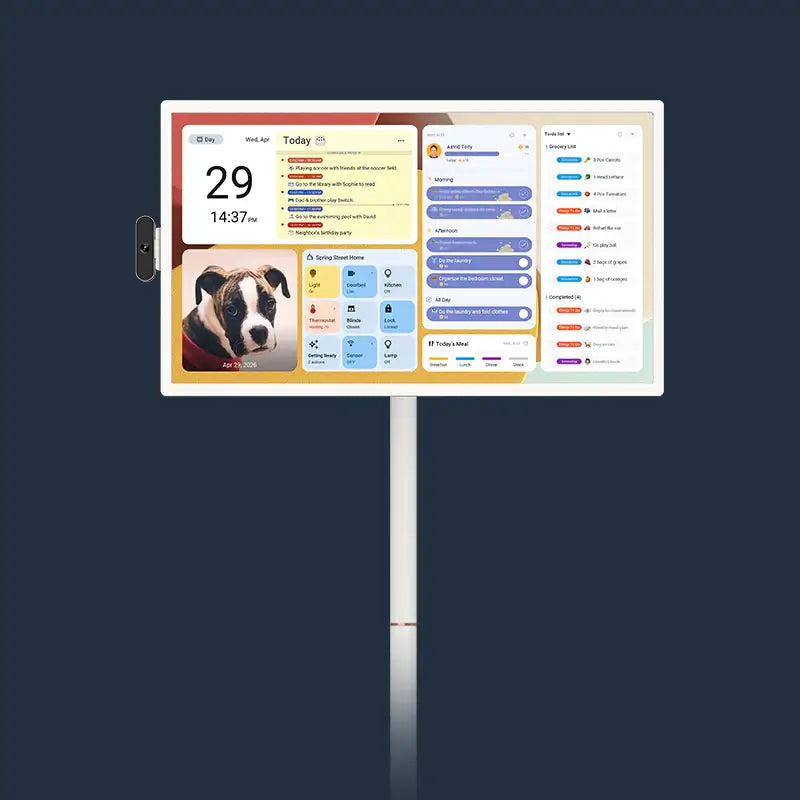


A centralized family calendar display keeps the whole household on the same schedule without requiring anyone to open a phone app first. The real problem in most homes is not forgetting events. Each person's schedule lives in a different place, and no single screen pulls it all together without a deliberate setup. Getting that right requires a few specific steps that most setup guides skip.
Why a Family Calendar Display Works Better Than Apps Alone
Phone apps require the user to actively open them. A wall-mounted digital calendar display for home removes that friction entirely, showing the full family schedule the moment anyone walks into the kitchen or past the entryway.
The "Out of Sight, Out of Mind" Problem with Phone Calendars
A home calendar display is always on and always visible. No one has to remember to check it, because it appears naturally during the morning routine.
A wall display shows the schedule without anyone having to open anything. That is what separates it from any shared app. The information comes to the family, not the other way around.
Shared Screens Reduce the Mental Load
Most households run multiple calendars across different accounts and platforms. A centralized family calendar display collapses those into a single view that every family member can read at a glance.
Schedules in an active family multiply fast. Work calendars, school feeds, and extracurricular activities all live in different places, and switching between them is exactly the problem a home calendar display solves.

What Most Families Get Wrong at Initial Setup
The most common mistake is connecting the display to existing calendars without organizing those calendars first. The screen mirrors whatever data is already in the connected accounts, and disorganized data on a large wall screen becomes harder to read, not easier.
Not Cleaning Up Calendars Before Connecting
A digital calendar display for home does not fix messy calendar data. It shows exactly what is already in the connected accounts, including duplicates, outdated events, and entries filed under the wrong person.
Consolidate the source calendars first, then connect them to the display. That sequence prevents most of the frustrations new users report in the first two weeks.
Leaving Out School and Activity Feeds
Most setup guides only mention Google, iCloud, and Outlook. School schedules, sports team feeds, and activity platform calendars are where the majority of real family conflicts originate.
Many U.S. school districts now provide iCal subscription links. Add those links to a primary calendar account first, then sync that consolidated calendar to the display. That single step resolves most missing-event complaints for families with school-age children.
Underestimating Sync Delays
Third-party calendars, including school systems and activity platforms, often refresh on a timed interval rather than instantly. An event added on a phone may take several minutes to appear on the wall display.
The practical solution is to route all calendar feeds through one primary account, creating a single clean source that the display reads reliably.
How to Set Up Your Home Calendar Display So Everyone Actually Uses It
Placement and configuration decisions made during the first hour of setup determine whether the display becomes a daily habit or a wall decoration.
Pick the Right Location
Mount the display where the family already gathers each morning. Kitchen walls and entryways are the most effective locations in most homes. Aim for a center height of roughly 60 inches from the floor, which works comfortably for most adults.
Avoid placing the display directly across from a window. Glare makes the screen difficult to read even on models with anti-glare glass.
Color-Code by Person, Not by Event Type
Assign one color to each family member and apply it to every event belonging to that person. Avoid separating colors by category, such as using different colors for sports and medical appointments.
The goal is to identify whose event it is from across the room. Four to five clearly distinct colors are the practical maximum. More than that creates visual noise that defeats the purpose.
Set Work Calendars to Read-Only
Work events should appear on the family display so everyone can see when a parent is unavailable. No other family member should be able to edit or delete those entries.
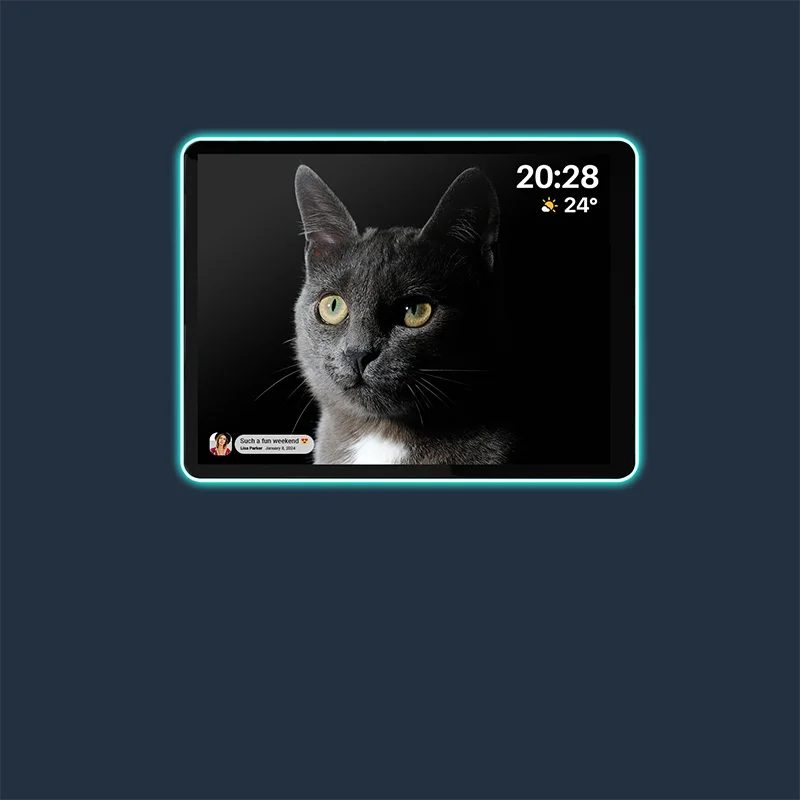
Decide upfront how much detail your work events should reveal. While you can manage privacy in your source calendar, Apolosign offers a built-in privacy protection interface for instant discretion. With a simple pull-down motion, you can overlay your schedule with a beautiful image. This hides sensitive meeting titles from guests or household members in seconds, seamlessly turning your display into a piece of digital art.
Why the Display Still Fails If Only One Person Manages It
A family calendar display solves the visibility problem. It does not automatically redistribute the responsibility of keeping the calendar accurate and up to date.
Recognize the One-Person Trap
In most households, one primary caregiver typically handles most family scheduling even after the display is installed. The display then functions as that person's individual workload projected onto a larger screen.
A family calendar display works as a coordination tool only when multiple family members contribute to it consistently.
Assign Calendar Ownership by Role, Not by Person
Divide input responsibilities by category. One adult has medical and dental appointments. The other manages school events and extracurricular schedules. Children old enough to type can add their own homework deadlines or practice times directly from a phone or tablet.
A five-minute weekly calendar check as a household builds better habits than any app feature or reminder.
How to Get Kids of Different Ages to Actually Engage with the Display
Children interact with a home calendar display differently depending on their age. A single configuration does not serve a five-year-old and a fourteen-year-old equally well.
Ages 4 to 7: Icons and Color Over Text
Young children cannot reliably read event titles, but they respond strongly to color and visual structure. Use icon-based routine or chore features on the display, and position that section low enough that children can see and tap it comfortably.
Ages 8 to 12: Chores, Rewards, and Ownership
Children in this range respond well to visible progress. Allow them to mark their own completed tasks directly on the touchscreen. That interaction builds the daily habit of checking the display without requiring parental reminders.
Teens: Sync Their Calendar to the Display, Not the Other Way Around
Teenagers manage their lives from phones and are unlikely to walk up to a wall screen voluntarily. The more effective approach is to sync their existing phone calendar to the family display automatically.
Parents stay informed. Teens continue managing from their devices. Both needs are met without requiring a change in behavior from either side.
What to Look for in a Family Calendar Display
The right display for one household is the wrong one for another. Four features make the most practical difference in daily use.
| Feature | Why It Matters | What to Look For |
| Sync speed | Slow refresh causes events to appear late | Automatic sync with fast refresh (varies by source calendar) |
| Touchscreen vs. passive | Touchscreen allows direct on-screen edits | Match to how your family prefers updating events |
| Total 3-year cost | Subscription fees add up fast | Calculate hardware cost plus any annual subscription |
| Calendar compatibility | Mixed iPhone and Android homes need cross-platform support | Confirm Google Calendar and iCloud both connect reliably |
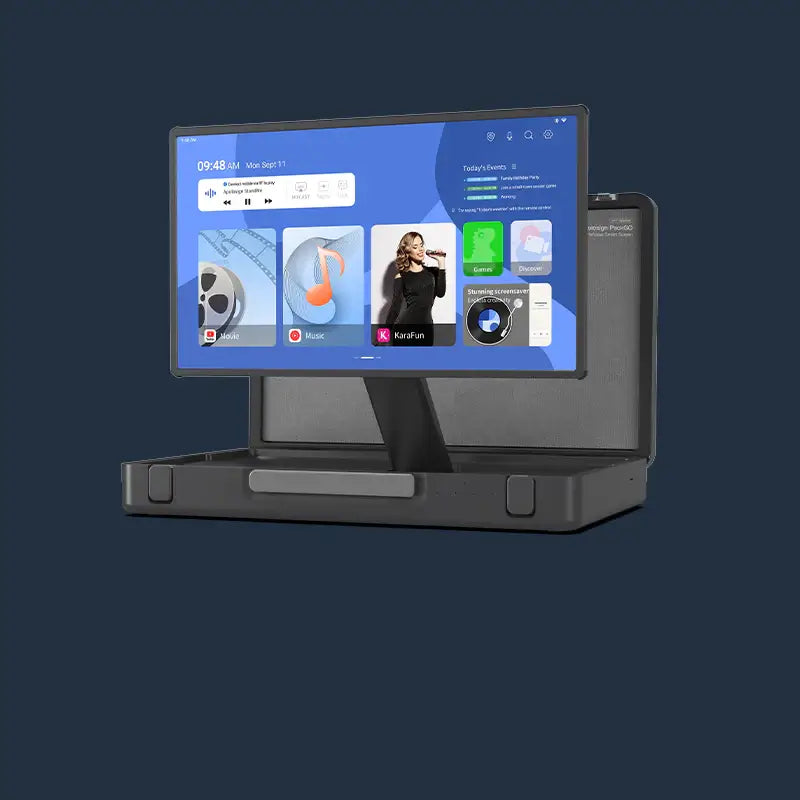
A display with fast sync but no touchscreen works well for households that manage everything from phones. A display with a touchscreen but a slow school calendar refresh will frustrate families with several children in different activities. Identify the most common friction point for your household and prioritize accordingly. The Apolosign 15.6" digital calendar, 21.5" digital calendar, and 27" digital calendar cover all four criteria above, so the screen fits the room rather than the other way around.

Start Keeping Your Family Calendar Display Working for Everyone
A home calendar display works when three conditions are met: the source calendars are clean and consolidated, the management responsibility is shared across adults, and the display is positioned where the family already gathers. The technology is straightforward. The system built around it is what determines lasting success.
If you are looking for a display with full calendar sync, color-coded schedules, chore tracking, and no subscription required for core features, the Apolosign Digital Calendar is available in 15.6", 21.5", and 27" sizes to fit any room in your home.
FAQs About Family Calendar Display
Q1. Do Family Calendar Displays Require a Monthly Subscription?
Not all of them. Some brands charge annual fees for features like extended calendar sync or chore tracking. Others, such as Apolosign, include all core functions in the hardware purchase with no recurring fees. Always confirm before buying.
Q2. Do Family Calendar Displays Work Without Wi-Fi?
No. A stable Wi-Fi connection is required to sync calendars and receive updates. If the connection drops, the display will show the last loaded data but will not reflect any new changes until connectivity is restored.
Q3. Is the Apolosign Digital Calendar Compatible With IPhones?
Yes, you can. You can easily manage your calendar, and sync schedules directly from your iPhone using the official Apolosign App, available on the Apple App Store. Whether you are using an iOS or Android smartphone, you will have the same seamless experience in controlling your device and keeping your family organized.
Q4. Why Does My Family Calendar Display Show Events That Were Already Deleted?
Our family calendar may still show deleted events due to synchronization delays, especially if using imported external calendars (iCal/ICS), which update only every 3–4 hours. Only Google Calendar and Apolosign Calendar support real-time two-way sync. Ensure your device has a stable internet connection and both apps are in the same group to improve sync accuracy.