






The first school morning always arrives sooner than expected. After weeks of laid-back summer mornings, flexible schedules, and fewer commitments, families suddenly face a brand-new rhythm: early wake-ups, school drop-offs, extracurricular plans, homework routines, and a calendar that fills up seemingly overnight.
A successful back-to-school transition isn’t about building a rigid schedule that plans every minute of the day. It’s about guiding the whole family back to manageable, predictable, and sustainable routines. A little advance preparation before the first school bell rings helps cut morning chaos, keeps everyone organized, and frees up more time to cherish the special moments of the new school year.
For many households, the key is creating a simple back-to-school routine that combines predictable daily habits with one shared family calendar everyone can follow.
Start With What You Already Have
One common mistake families make during back-to-school shopping is assuming every supply must be brand new. Before heading out to stores, take inventory of items you already own at home. Backpacks, lunch boxes, notebooks, pencils, and school supplies from last year often still have plenty of use left.
Sorting through existing gear cuts unnecessary spending and brings more intention to your preparation. Instead of rushing through an endless shopping checklist, you can begin the school year with a tidier, more organized home and a clearer sense of what your family actually needs.
Slowly Rebuild the Family Routine
The hardest part of going back to school is rarely day one itself. The real challenge is resetting your household rhythm after a long summer break.
school morning routine;A consistent school morning routine can help children know what to expect, reduce decision fatigue for parents, and make the first few weeks of school feel less overwhelming.
Late bedtimes, unhurried mornings, and open schedules are what make summer special. But jumping straight into early wake-ups and structured daily plans can feel overwhelming for kids and parents alike. Smooth transitions usually happen through gradual, small adjustments rather than sudden changes.
Start shifting bedtimes earlier little by little, prepare outfits the night before, pack backpacks in advance, and bring back consistent breakfast routines. These simple habits may seem small, but they create a more predictable rhythm that makes busy school mornings much easier once the semester begins, especially when families follow pediatric guidance on earlier bedtimes.

Review School Schedules and Important Dates Early
Each school year brings a flood of easy-to-miss logistics: teacher introductions, classroom rules, transportation arrangements, after-school clubs, sports practices, and important school dates.
The challenge is that these details are often scattered across emails, phone calendars, text threads, and sticky notes. When family members are working from different versions of the schedule, missed events and last-minute stress become much more likely.
Before the school year begins, review upcoming commitments together as a family. A shared timeline helps children understand what to expect while allowing parents to coordinate work, appointments, and activities without constantly sending follow-up reminders.
Back-to-School Family Calendar Checklist
Before the first week of school, add the most important dates and routines to your family calendar. This gives everyone a clear picture of what is coming and helps reduce last-minute confusion.
A helpful back-to-school family calendar may include:
- First day of school
- Teacher meet-and-greet dates
- School drop-off and pick-up times
- Bus schedules
- Sports practices and games
- Music lessons or after-school clubs
- Homework and reading routines
- Doctor or dental appointments
- Parent-teacher conferences
- Family meals, chores, and weekly reset time
Prepare Kids Emotionally, Not Just Physically
Back-to-school preparation extends far beyond school supplies and schedules. Children also need time and space to process their feelings about returning to class.
Some kids can’t wait to meet new teachers, reconnect with friends, and start a new grade. Others may feel nervous about unfamiliar classrooms, higher expectations, or changes to their daily routine. Simple, open-ended conversations can help children feel supported:
“What are you most excited about this school year?”
“Is there anything you feel unsure about?”
Kids don’t always need immediate solutions. Often, they simply want to feel heard and understood.
Visual schedules can also help younger children build confidence. When kids can clearly see the flow of their day—from school and activities to family time—they often feel more prepared and independent. A visible shared family calendar, especially one displayed in a common area of the home, can turn daily plans into something children can easily understand and follow.

Create One Shared Space for the Whole Family Schedule
Once school starts, family schedules quickly become complicated. School events, sports training, music lessons, medical appointments, work obligations, and household responsibilities can quickly pile up.
This is why many families turn to a digital family calendar or family command center to keep school events, work schedules, chores, and activities visible in one place.

Many families rely on separate phone calendars, scattered notes, and group chats to stay organized. While these tools can help, they often require parents to constantly update information, check multiple platforms, and remind everyone about upcoming plans.
Phone Calendar vs. Shared Digital Family Calendar
Phone calendars are helpful for individual reminders, but they are not always easy for the whole family to see. Children may not have access to every app, and parents often become the only people responsible for checking and communicating schedule changes.
A shared digital family calendar works more like a home command center. It keeps the day’s plans visible in a common space, helping everyone understand school events, chores, appointments, and activities without needing to ask one person for updates.
A visible family calendar provides a simpler solution: one central place where everyone can see what is happening.
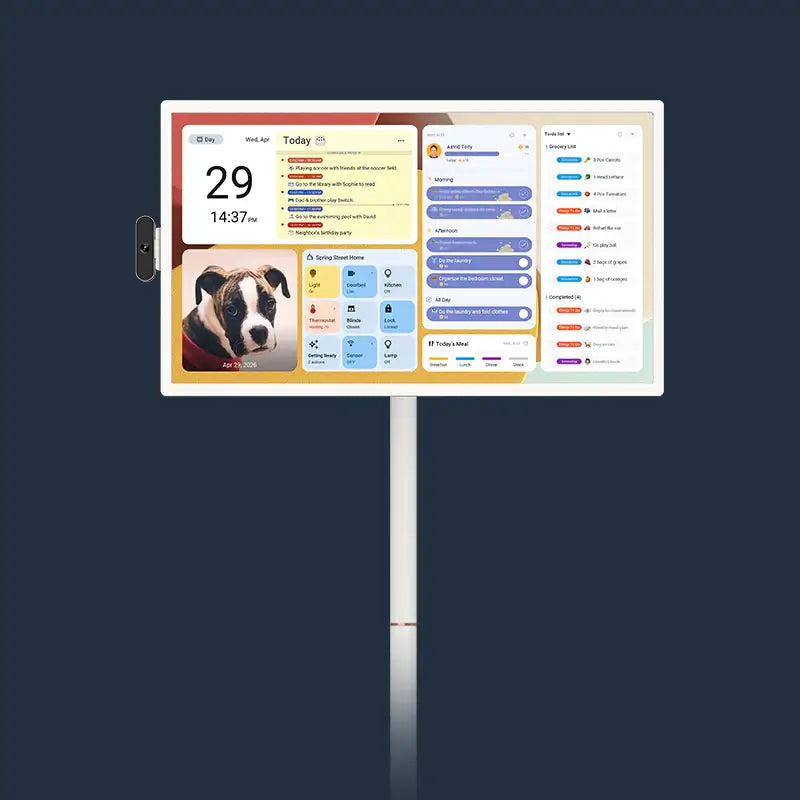
The Apolosign Digital Calendar helps families bring schedules, reminders, and household planning together on a single smart display. Unlike basic calendar apps or traditional paper planners, it works as an all-in-one family organization hub, supporting photo galleries, customizable widgets, and daily timelines.
For example, parents can display the week’s school events, after-school activities, meal plans, and chore reminders in one place, while children can check the screen each morning to see what the day looks like before leaving for school.
It integrates with popular calendar platforms and offers a flexible dashboard that families can adjust around their own routines. Core functionality is available without an ongoing subscription, allowing families to stay organized without adding another recurring monthly expense.
For children, seeing clear daily plans can encourage independence and responsibility. For parents, it means spending less time chasing updates and more time enjoying meaningful family moments.
Make the New School Year Feel More Manageable
No back-to-school season is completely free from challenges. There will always be forgotten homework, unexpected schedule changes, and rushed mornings.
But with intentional preparation and a shared system that keeps everyone aligned, families can reduce daily stress and create a smoother transition into the school year.
A well-organized routine doesn’t mean creating stricter household rules. It means gaining more time, energy, and mental space for the moments that truly matter.
Ready to make your back-to-school routine calmer and easier to manage? Explore the Apolosign Digital Calendar to keep school events, chores, reminders, and family plans organized in one shared display.
Back-to-School Family Calendar FAQs
Why does a family calendar help during the back-to-school season?
A family calendar helps bring school schedules, activities, appointments, and household responsibilities into one shared view. Instead of relying on separate phone calendars, messages, and reminders, everyone can quickly understand what is happening each day. This makes it easier for parents and children to stay prepared as routines become busier.
What should families include on a back-to-school calendar?
A useful back-to-school calendar can include school events, class schedules, sports practices, extracurricular activities, doctor appointments, family plans, homework reminders, and daily routines. Including both important events and everyday tasks helps children understand their schedule and helps parents coordinate the entire household.
Can a digital family calendar help children build independence?
Yes. A visual schedule allows children to see what comes next in their day, which can make routines feel more predictable. For younger children especially, seeing school times, activities, chores, and family plans displayed clearly can encourage responsibility and reduce the need for constant reminders from parents.
Is a digital family calendar better than a paper planner?
Paper planners are useful for individual organization, but they are not always practical for busy households where multiple people need access to the same information. A digital family calendar provides a shared display that everyone in the home can see, making it easier to keep schedules updated and connected.
Does the Apolosign Digital Calendar require a monthly subscription?
Many families look for organization tools without adding another recurring expense. Apolosign Digital Calendar provides access to its core calendar and smart display features without requiring an ongoing subscription, allowing families to manage schedules, reminders, and daily routines with a one-time purchase.