


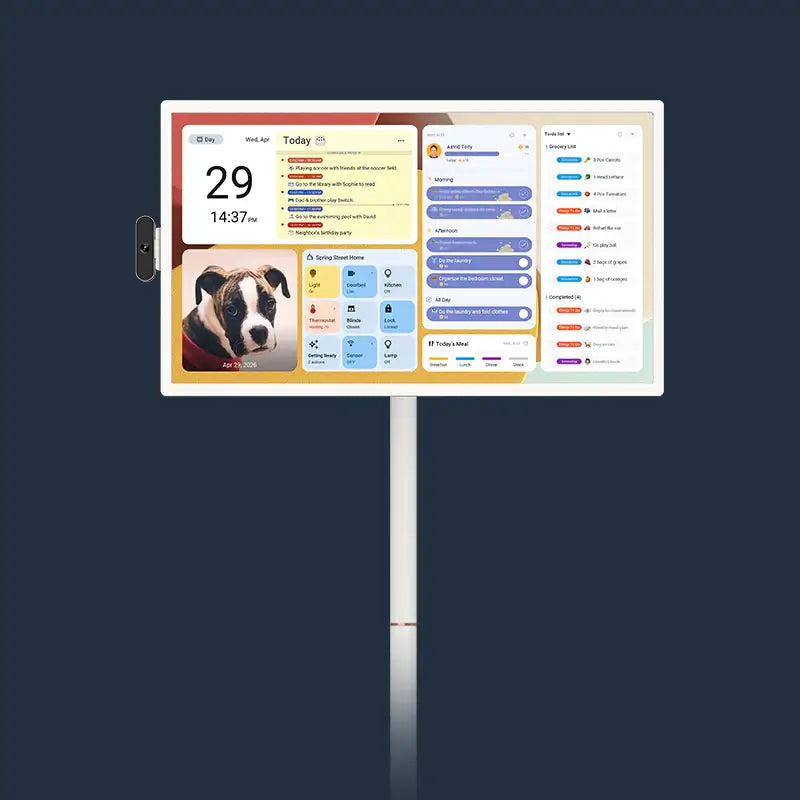
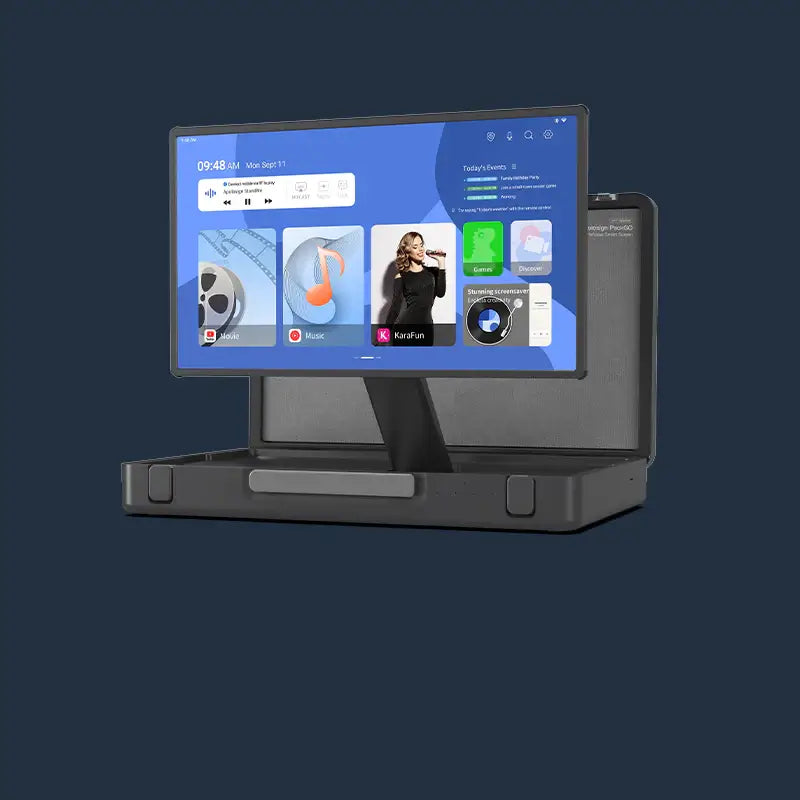
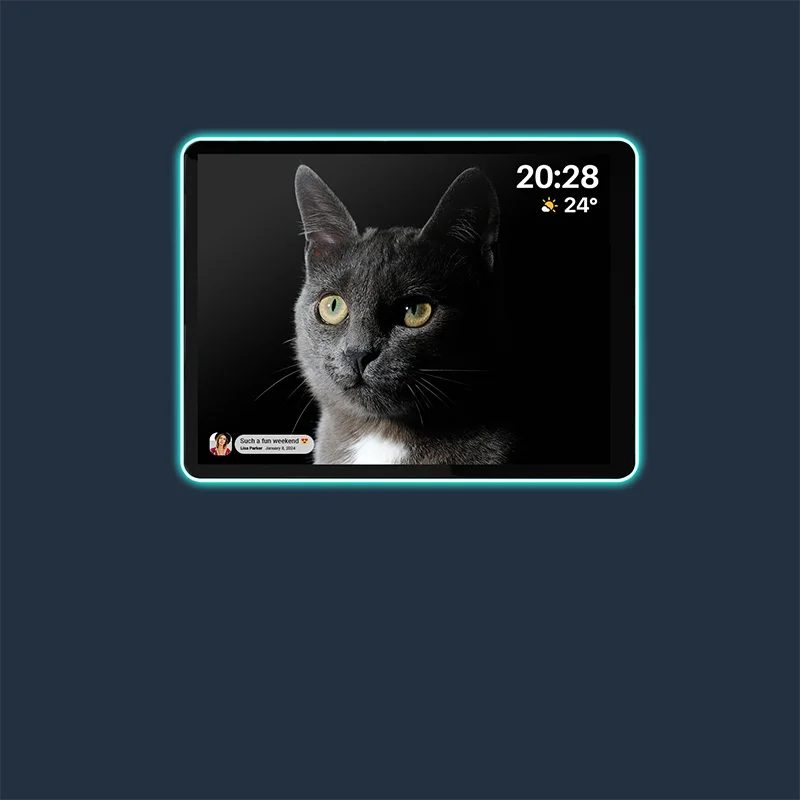


A digital family hub acts as the central brain of a household. This device streamlines daily chaos by merging schedules, smart devices, and communication tools into one accessible screen. Families gain instant visibility into daily routines and shared responsibilities. An investment in a smart family hub for home environments brings immediate organization and connectivity to busy households.

What Is a Digital Family Hub?
A transition from traditional paper methods changes how a household operates daily. A digital family hub is typically a large touchscreen tablet or monitor placed in a communal area. It provides a shared interface for everyone living in the house. You can view upcoming schedules, assign household chores, control connected lights, and leave messages for each other. This technology bridges the gap between personal mobile devices and the shared physical environment of a modern home.
Upgrading From a Standard Calendar to a Command Center
Paper calendars easily become messy and cluttered the moment plans change. A modern digital family calendar syncs in real-time across multiple user accounts via cloud synchronization. Everyone sees the latest updates immediately on the main display. This immediate shift prevents missed appointments and frustrating double bookings. It establishes a reliable single source of truth for the whole family to reference at any time of day.

Bridging the Gap Between Personal and Shared Spaces
Personal smartphones hold individual schedules privately. A centralized display brings that hidden data out into a shared physical space. Family members no longer have to constantly ask each other what the evening plan entails. The information remains visible to everyone walking past the screen. This actively fosters better communication and mutual awareness among everyone in the residence.
The Core Pillars of a Modern Family Hub
Understanding which features make these devices effective helps buyers choose the right model for their household. The best digital family hub display combines four main functional areas to keep a modern household running smoothly and efficiently.
Calendar and Scheduling
Time management consistently sits at the center of family coordination. Users can sync major cloud-based calendar services to a single unified screen. Color-coding different family members makes the daily agenda easy to read from across the room. Users can effortlessly set recurring events for weekly sports practices or regular medical appointments. The interface automatically updates at midnight to present a fresh view of the day ahead.
Chores, Tasks, and Reward Systems
Household responsibilities become much easier to track and enforce with a centralized digital system. Parents can assign daily tasks to specific children with set deadlines. The screen displays clear checklists that kids can physically tap and check off as they finish their work. Some software applications tie these completed chores to digital allowances or screen-time reward systems. This turns mundane tasks into engaging activities to reduce arguments about household upkeep.
Smart Home Control
A true digital family hub with smart home integration connects seamlessly to your existing connected devices. Users can manage multiple appliances directly from the central dashboard.
- Adjust the thermostat temperature
- Lock the front door
- Turn off the living room lights
- View security camera feeds
This functional list eliminates the annoying need to pull out a personal smartphone for basic environmental controls. Visitors or babysitters can also adjust the home environment without needing special app access on their own personal phones.
Family Memories and Photo Display
Screens left idle often display a rotating gallery of favorite family photos. This clever feature transforms a purely functional piece of technology into an attractive digital picture frame. Families can easily upload vacation pictures or daily snapshots directly to the device via cloud folders. It adds a warm touch to the technology so the screen enhances the room's decor.

Hardware Considerations for Your Digital Family Hub
The process of selecting the physical device requires careful attention to how the family naturally interacts with technology. Hardware specifications directly determine the longevity, responsiveness, and overall usability of the hub over several years.
Screen Size and Resolution
Displays typically range from ten inches to twenty-one inches or occasionally larger. A fifteen-inch screen often provides the best balance of text readability and overall space efficiency. High-definition resolution ensures small text remains crisp and photos look vibrant from across the room.
Below is a quick comparison of common screen sizes and their best use cases.
|
Screen Size |
Ideal Location |
Primary Benefit |
|
10 to 12 inches |
Small kitchen counter |
Takes up minimal physical space |
|
15 to 16 inches |
Wall mounted in hallway |
Balances visibility and footprint |
|
21+ inches |
Large open living room |
Highly readable from a long distance |
Larger screens allow multiple applications to run side-by-side effectively. Smaller screens work exceptionally well in tight corners or cramped apartments where wall space remains limited.

RAM, Storage, and Performance
Internal specifications dictate how smoothly the touchscreen interface operates during daily use. Buyers should look for devices with ample memory to prevent frustrating lag when rapidly switching between scheduling and smart home applications. Local storage capacity matters slightly less for purely cloud-based apps. Having adequate space provides room for essential operating system updates and downloaded utility tools over the device's lifespan.
Built-In Microphone and Voice Assistant Support
Voice commands allow users to interact hands-free while cooking dinner or carrying heavy groceries. Most hubs include sensitive microphones to pick up spoken requests from across the room. Functional capabilities vary widely between different manufacturers and software versions. Keep in mind that some devices have specific limitations regarding voice inputs. For instance, certain dedicated calendar-focused displays do not yet support directly adding schedule events via voice commands; users typically add them manually or through the companion mobile app.
Software Flexibility Making Open-Ecosystem Hubs Stand Out
The operating system determines exactly what software widgets and applications you can run. Open platforms often provide vastly superior customization options compared to heavily locked proprietary ecosystems.
Standard App Store Access
Open ecosystems let users download standard applications from major app storefronts. You can easily install your preferred calendar app, a specific smart home manager, or a favorite grocery list tool. Locked systems restrict users to pre-approved widgets that might lack desired features or fail to integrate with your existing digital habits.
DIY Customizable Dashboards
Families can build tailored home screens using flexible software widgets. A user might place a large weekly calendar view on the left side and a scrolling grocery list on the right. This layout flexibility ensures the most critically important information remains clearly visible without requiring extra screen taps. Users can rearrange these elements as the family's needs change over the years.
Where to Place Your Family Hub Display
Physical location heavily influences exactly how often the family uses the new organizational system. A screen placed in a high-traffic area maximizes its daily utility and ensures everyone sees the latest updates.
Central Living Room Placement
The main living space serves as a primary gathering point for most households. A wall-mounted display here acts as a constant visual reminder of the day's schedule. It functions beautifully as a large photo frame when guests visit to blend technology seamlessly with interior design.
Kitchen Counter and Wall Mounting
Kitchens act as the undisputed command center for busy households. A hub placed on the counter or securely on the wall allows parents to easily check online recipes. Users quickly update grocery lists and review the evening schedule while actively preparing meals for the family.
Master Bedroom Nightstand Options
A secondary smaller hub placed in the bedroom helps parents review the upcoming day before getting out of bed. Users can quickly check the morning weather forecast, verify school start times, and turn on the downstairs coffee maker remotely to start the day efficiently. HealthyChildren.org notes that consistent family routines help keep life organized and less chaotic.
Future-Proofing Features to Look for in 2026 and Beyond
Technology moves incredibly rapidly. Forward-looking technical features represent a smart financial investment. Buyers prioritize hardware that readily supports upcoming software connectivity standards.
Universal Smart Home Standards
Interoperability is becoming essential for devices controlling household environments. New universal connectivity standards allow gadgets from wildly different manufacturers to communicate flawlessly over local networks. This ensures your hub will still connect to the smart bulbs or security locks you might purchase five years from now. FTC recommends changing default passwords, using security features, and keeping internet-connected devices protected; see its guidance on securing connected devices.
Advanced Wireless Connectivity
Upgraded wireless networking capabilities ensure the device maintains a fast connection as home networks continually evolve. High-speed wireless chips prevent video lag and ensure instant cloud synchronization. Buyers look for manufacturers that promise long-term software security updates to keep the device fully functional and safe from vulnerabilities. Penn State Extension notes that visual clues help children understand and anticipate what may happen, reinforcing why visible household displays can support routines.
Build Your Ideal Smart Home Hub Today
A centralized screen reduces daily friction and keeps everyone on the exact same page. The consolidation of calendars, chore charts, and smart home controls creates a significantly calmer household environment. Evaluate your available wall space, determine the most essential features for your daily routine, and invest in a reliable system that brings lasting order to your family life.
FAQs
Q1: Can multiple users sync personal phones to the same hub display?
Yes, they support multiple accounts seamlessly. The system allows individual family members to link their private accounts to the central device. The software intelligently merges these distinct data feeds into one unified household view while keeping the original personal accounts separate and private on individual mobile phones.
Q2: Do digital scheduling displays require a monthly subscription fee to operate?
Generally, no monthly fees apply. The vast majority of hardware devices function perfectly using free standard applications. A small handful of specialized scheduling programs might offer optional premium subscription tiers for highly advanced features, but the core organizational and scheduling functionalities remain entirely free for basic daily operation.
Q3: How do wall-mounted smart screens get power without showing messy cables?
Recessed electrical outlets offer the cleanest installation solution. Homeowners typically install a recessed electrical box directly in the drywall behind the mounting bracket. This specific setup allows the tablet device to plug in flush against the wall, completely hiding the power adapter and cords from normal view.
Q4: Are shared touchscreen hubs secure against unauthorized access by house guests?
Yes, they include robust built-in security safeguards. Owners easily set up customized PIN codes, swipe pattern locks, or facial recognition on certain hardware models. This prevents casual visitors from accessing sensitive personal schedules or manipulating integrated home security controls without proper permission.
Q5: Will a digital command center still function if the internet goes offline?
Functionality drops significantly without a connection. The physical device displays locally cached events and previously downloaded photos. However, it cannot sync new appointments, update live weather forecasts, or control cloud-reliant smart gadgets until the wireless network connection is restored.