




Managing a shared family calendar can be challenging when important schedules are scattered across different phones, apps, emails, and paper notes. School events, work commitments, appointments, and household routines all compete for attention, making it harder for families to stay organized and on the same page.

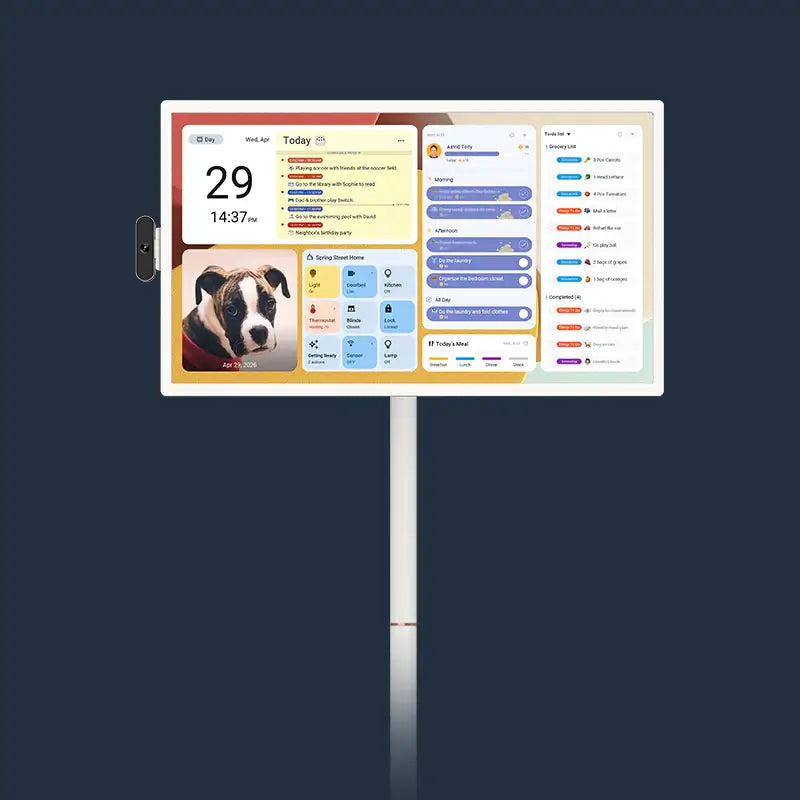
Apolosign Digital Calendar helps families create a shared family calendar for schedules, tasks, meal plans, and reminders in one place. Instead of checking multiple devices or relying on repeated reminders, family members can view important plans in one place.
This guide explains how to set up Apolosign Digital Calendar, sync your existing calendars, organize events with color coding, and create simple planning habits to help your entire household stay coordinated.
What Is a Shared Family Calendar?
A shared family calendar is a centralized planning system that helps household members see schedules, events, chores, reminders, and routines in one place. Unlike personal phone calendars or paper notes, a shared family calendar gives everyone in the home a visible way to stay updated and coordinated.
Why Family Schedules Become Difficult to Manage
Modern families rarely manage their entire schedule in one place.
One parent may use Google Calendar for work, another may use iCloud for personal events, and children may track school activities through different platforms.
At the same time, families need to coordinate:
- School activities and deadlines
- Sports practices and extracurricular activities
- Transportation schedules
- Medical appointments
- Weekly meal plans
- Household chores and reminders
When this information is spread across multiple platforms, even well-planned families can experience missed updates, repeated questions, or scheduling conflicts.
Paper calendars are easy to see but difficult to update when family members are away from home. Phone calendars are convenient but may not be visible to children or other household members.
A shared digital calendar provides a more practical approach by keeping schedules updated digitally while displaying important information where everyone at home can see it. A 50-year research review published by the American Psychological Association found that family routines and stability are powerful organizers of family life, associated with marital satisfaction, children's academic achievement, and stronger family relationships.
Getting Started with Apolosign Digital Calendar
Apolosign Digital Calendar is designed to help families create a shared space for daily planning. Place the display in a frequently used area, such as the kitchen, hallway, or family room, so everyone can quickly check upcoming schedules.
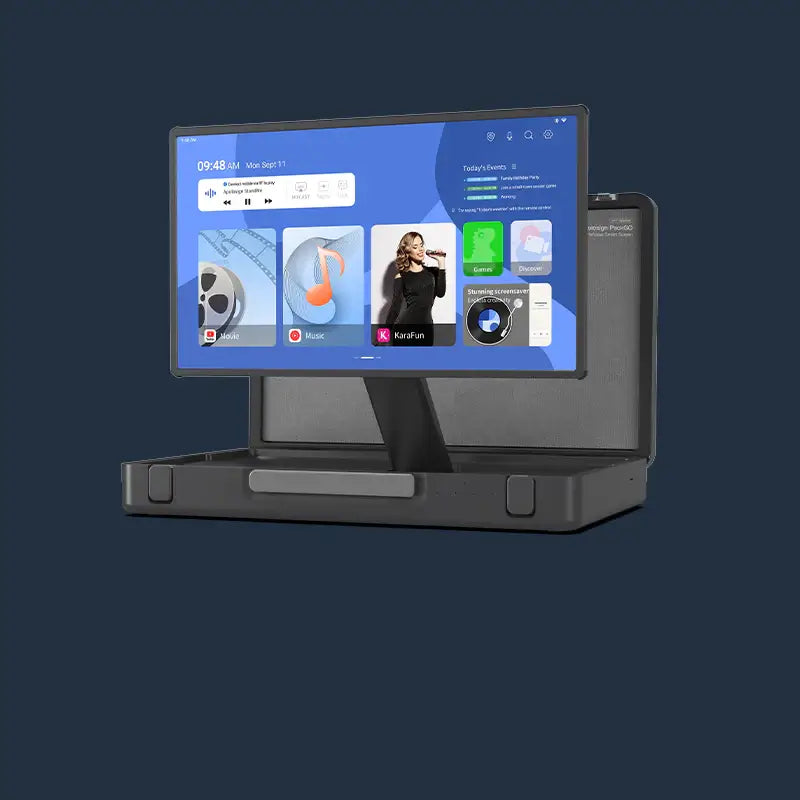
The device offers two main modes:
Calendar Mode
Calendar Mode provides a dedicated calendar view for:
- Family schedules
- Events
- Tasks
- Reminders
Color-coded events make it easier to identify activities for different family members or categories.
For example:
- Blue can represent one child's activities
- Green can represent household tasks
- Yellow can represent family events
Family members can quickly understand what is happening without reading every event detail.
Dashboard Mode
Dashboard Mode provides a customizable Android interface where families can access:
- Weather information
- Widgets
- Apps
- Smart home controls
In addition to calendar viewing, Apolosign Digital Calendar supports:
- Calendar synchronization
- Task management
- Chore tracking
- Reward points
- To-do lists
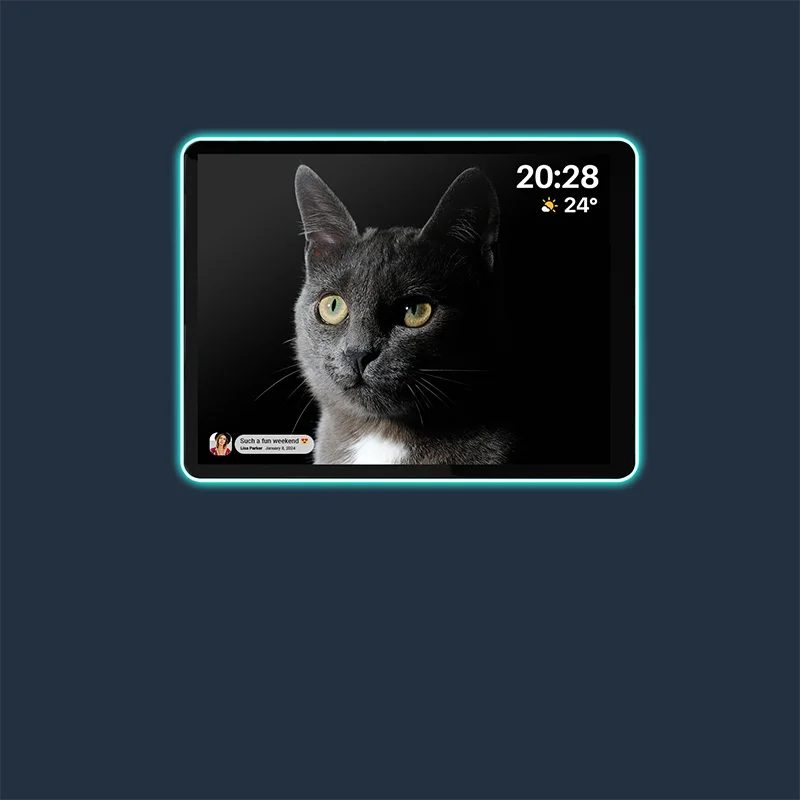
- Photo display
Core family organization features are available without monthly or annual subscription fees.
Step 1: Connect Your Existing Family Calendars
The first step to setting up Apolosign Digital Calendar is connecting the calendars your family already uses.
Before syncing, consider which information is most useful for household planning.
Recommended calendars include:
- Parent schedules that affect transportation or family activities
- School events, holidays, and deadlines
- Sports and extracurricular schedules
- Medical appointments and important reminders
- Shared family calendars for meals, chores, and errands
Not every calendar event needs to be displayed.
For example:
- A work meeting that affects school pickup may be useful to include.
- A private appointment that does not affect family routines may not need to appear.
Keeping your shared calendar focused helps family members find important information faster.
Step 2: Sync Google Calendar and iCloud Calendar
Apolosign Digital Calendar supports two-way sync with Google Calendar and Apple iCloud Calendar.
With two-way sync:
- Events created in connected Google or iCloud calendars can appear on Apolosign Digital Calendar.
- Events created through supported Apolosign calendar features can sync back to connected Google or iCloud calendars when properly configured.
For families who manage schedules from their phones, two-way sync allows them to continue using familiar calendar apps while viewing shared plans on the Apolosign display.

A practical setup is creating a shared family calendar for:
- Soccer games
- School activities
- Doctor appointments
- Family events
- Important reminders
Parents can update schedules from their phones while everyone can view the latest plans on the shared display.
Step 3: Import Other Calendar Platforms
Families who use Outlook, Yahoo Calendar, school calendars, or other services can also bring additional schedules into Apolosign Digital Calendar.
Different calendar platforms may work differently depending on the connection method:
- Google Calendar and iCloud Calendar support two-way synchronization.
- Other external calendars can be imported or displayed.
For schedules that change frequently, using Google Calendar or iCloud Calendar may provide a smoother experience.
For information that mainly needs to be viewed, such as school calendars or public schedules, importing can help keep important dates visible without adding unnecessary complexity.
Step 4: Create Clear Color-Coded Family Schedules
Color coding is one of the easiest ways to make a shared family calendar easier to understand.
Instead of requiring everyone to read every event, assign colors to different family members or responsibilities.
Try this setup:
- Choose one color for each family member.
- Use a separate color for family events.
- Assign a color for school deadlines.
- Create a category for chores and routines.
- Use a noticeable color for important reminders.
For children, visual organization can be easier to understand than text alone.
For example:
- A child can recognize their activity color.
- Household tasks can have their own category.
- Family events can stand out visually.
This helps children become more familiar with schedules and daily responsibilities. According to the American Academy of Pediatrics, children do best when routines are regular, predictable, and consistent — making visual schedule systems especially effective for building predictable routines and children's development.
Step 5: Use Daily, Weekly, and Monthly Views to Plan Family Life
Different planning situations require different calendar views.
Daily View
Use a daily view for:
- Checking morning schedules
- Confirming school pickup times
- Planning dinner and evening routines
Weekly View
Use a weekly view for:
- Reviewing the upcoming week
- Planning sports activities
- Preparing meals
- Coordinating family responsibilities
Monthly View
Use a monthly view for:
- Tracking holidays
- Recording birthdays
- Planning future activities
- Identifying scheduling conflicts
A simple family planning routine can include:
Every morning: Review the day's schedule.
Every Sunday evening: Check the upcoming week together.
At the beginning of each month: Review important dates and long-term plans.
Consistent review habits can make family scheduling easier over time.
Step 6: Manage Chores and Family Routines
Beyond scheduling, Apolosign Digital Calendar can help families organize daily responsibilities.
Parents can create chore tasks and reward points and assign point values.
Examples include:
- Cleaning a room
- Organizing toys
- Helping prepare meals
- Completing daily routines
Children can view completed tasks and accumulated points directly on the shared display.
This approach makes household responsibilities more visible while helping children develop:
- Time management skills
- Responsibility
- Routine-building habits
For families with children, a shared digital calendar can become a useful tool for involving everyone in daily household organization. The CDC notes that providing children with consistent structure and clear expectations supports healthy development and helps reduce behavioral challenges — a key benefit of family structure and child well-being.
How a Shared Digital Calendar Helps Families Stay Organized
A shared digital calendar is more than a way to view dates. It helps families reduce repeated questions and keep everyone aware of upcoming plans.
When everyone can see the same schedule, families can:
- Prepare for the next day more easily
- Coordinate transportation, meals, and activities
- Help children participate in household routines
- Keep caregivers informed
- Replace scattered notes with one organized system
An effective family scheduling system does not need to be complicated.
Simply:
- Update changes from your phone
- Let Apolosign Digital Calendar display the shared schedule
- Review plans together regularly
Over time, families can build more consistent routines and create a clearer way to manage everyday activities.
Start Organizing Your Family Schedule Today
Keeping a family organized does not require more apps or complicated reminder systems.
Apolosign Digital Calendar brings schedules, chores, meal plans, and daily routines into one shared view, helping families stay connected and prepared.
With calendar syncing, color-coded schedules, and subscription-free core features, Apolosign helps families build simple planning habits that support busy schedules throughout the school year and beyond.
Explore Apolosign Digital Calendar and create a shared planning space for your family.
FAQ
What is a shared family calendar?
A shared family calendar is a planning system that helps everyone in the household see schedules, events, reminders, chores, and activities in one place. It makes family routines easier to manage and reduces missed updates.
How do you organize family schedules in one place?
The easiest way is to use one shared calendar for school events, work commitments, appointments, meal plans, and household tasks. Keeping everything visible in one place helps family members stay updated and avoid scheduling conflicts.
How can a shared calendar help a busy family?
A shared calendar helps busy families keep track of daily plans, reduce repeated questions, and coordinate schedules more easily. It can also make it easier to manage transportation, school activities, meals, and reminders.
Can a shared family calendar help with chores and routines?
Yes. A shared family calendar can help track chores, recurring tasks, and daily routines. This makes responsibilities more visible and helps children and adults know what needs to be done.
Is a digital family calendar better than a paper calendar?
For many families, a digital family calendar is easier to update and share than a paper calendar. It can combine schedules, reminders, and tasks in one place while staying visible to the whole household.
Can a family calendar include meal planning and reminders?
Yes. Many families use a shared calendar not only for events, but also for meal plans, grocery reminders, and household routines. This helps keep everyday planning in one organized system.
What is the best place to put a family calendar at home?
The best place is a shared area where everyone naturally looks during the day, such as the kitchen, hallway, dining area, or family command center. A visible location makes the calendar more useful.
How do you color-code a family calendar?
A simple way is to assign one color to each family member and use additional colors for shared events, chores, school deadlines, or reminders. Color coding makes the calendar easier to read at a glance.