




The Future of TV Is No Longer Limited to One Room
For decades, the television had one simple purpose: stay in one place.
A TV belonged in the living room, connected to a power outlet, and became the center of a fixed entertainment setup. But the way families consume content has changed.

Today, entertainment follows people instead of staying in one room.
A parent may want to watch a cooking tutorial while preparing dinner. Kids may want a movie night in the bedroom. Friends may want to watch a big game outside. A remote worker may need a larger screen for video calls or presentations.
This shift has created a new category of entertainment devices: portable TVs.
Unlike traditional TVs that are designed around permanent installation, modern portable TVs combine:
- Large displays
- Battery-powered freedom
- Smart streaming features
- Flexible placement options
The goal is simple: one screen that can adapt to different moments throughout the day.
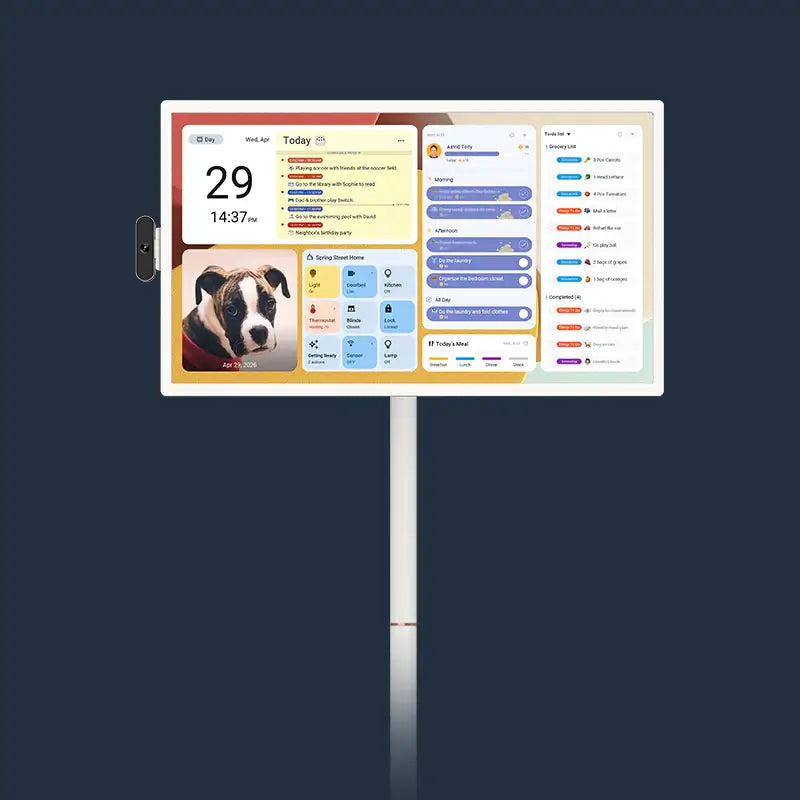
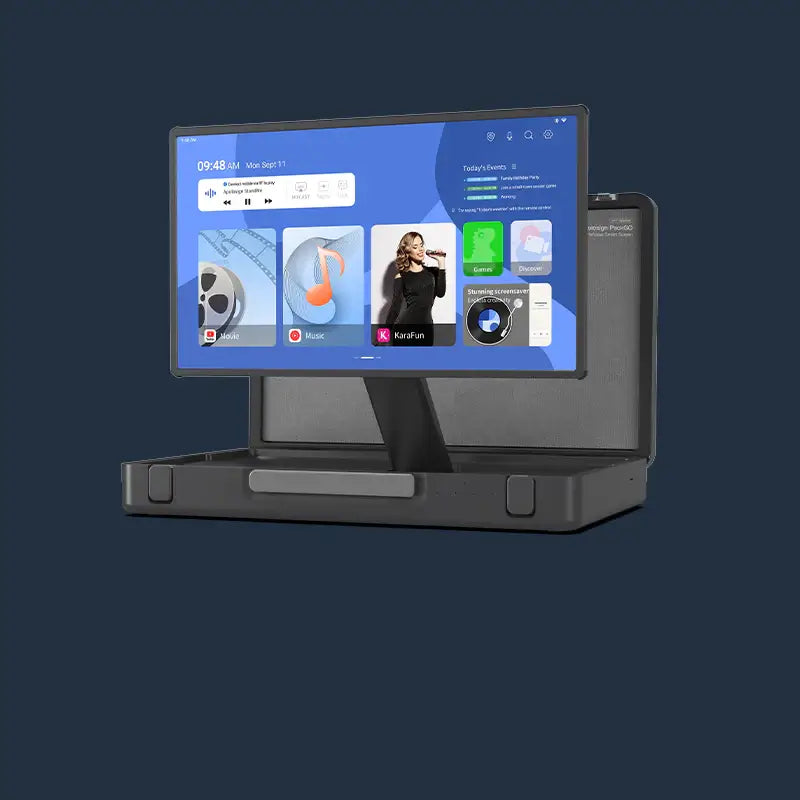
Among the latest portable TV options, the Apolosign 32" 4K Portable TV represents this new approach by combining a large-screen experience with mobility. With a 32-inch display, rolling stand, built-in battery, Android-based smart features, and touchscreen capability, it is designed for users who want TV entertainment without being limited to one location.

What Is a Portable TV?
A portable TV is a movable screen designed to be used in different spaces rather than staying permanently in one room. Unlike traditional televisions, portable TVs may include built-in batteries, rolling stands, smart streaming systems, and flexible connectivity for home entertainment, work, and casual viewing.
Why Portable TVs Are Becoming More Popular in 2026
The rise of portable TVs is not only about technology. It reflects how homes are being used differently.
Modern families often share spaces differently than before:
- Living rooms are no longer the only entertainment area.
- Home offices have become part of everyday life.
- Outdoor gatherings are becoming more common.
- Families want fewer devices that can do more things.
Instead of buying multiple TVs for different rooms, many users are looking for a flexible screen that can move where it is needed.
That is where portable TVs have an advantage. According to Pew Research Center, 83% of U.S. adults now use streaming services, reflecting a fundamental shift in how and where people consume video content — a key driver behind streaming adoption and flexible viewing habits.

What Should You Look For in the Best Portable TV?
Choosing the best portable TV is not simply about finding the smallest or lightest option.
The right device should balance:
- Viewing experience
- Mobility
- Battery life
- Smart features
1. A Screen Size That Works for Real-Life Entertainment
Many portable screens are designed for individual use. They are easy to carry but often too small for shared entertainment.
A larger portable TV changes the experience.
A 32-inch screen can comfortably support:
- Family movie nights
- Sports watching
- Kids' entertainment
- Fitness videos
- Casual gaming
This is where products like the Apolosign 32-inch Portable TV stand out. It provides a more traditional TV experience while keeping the flexibility of a movable screen.
2. Battery Power Makes a Portable TV Truly Portable
A TV that can technically be moved is different from a TV designed to move.
Traditional TVs require:
- A fixed power source;
- Cable management;
- A permanent setup.
Battery-powered portable TVs remove many of those limitations.
They allow users to create temporary entertainment spaces:
|
Scenario |
How a Portable TV Helps |
|
Backyard movie night |
Move entertainment outdoors |
|
Bedroom viewing |
Watch without installing another TV |
|
Kitchen use |
Follow recipes or shows while cooking |
|
Home office |
Create a flexible second screen |
Apolosign's 32-inch model includes a 15,000mAh battery and lists up to 6 hours of battery life under specific testing conditions.
3. Mobility Is More Important Than Many Buyers Expect
A portable TV is only useful if moving it is easy.
A good design should include:
- Stable base;
- Smooth movement;
- Adjustable viewing angles.
Apolosign uses a rolling stand design, allowing users to move the screen between rooms without mounting or complicated setup.
Apolosign 32" 4K Portable TV: A Large Screen Built for Flexible Living
The Apolosign 32" 4K Portable TV is designed for people who want a bigger entertainment experience without adding another permanent television.
Instead of thinking of it as a replacement for every TV in the home, it works as a flexible screen that can serve different purposes.
During the day, it can become:
- A kitchen entertainment screen;
- A work meeting display;
- A recipe viewer.
At night, it can become:
- A movie screen;
- A gaming display;
- A family entertainment hub.
Key features include:
|
Feature |
Details |
|
Display |
32-inch screen |
|
Resolution |
4K and 1080p options |
|
Battery |
15,000mAh |
|
Connectivity |
Wi-Fi, Bluetooth, HDMI, USB-C |
|
Smart System |
Android-based |
|
Control |
Touch, remote, voice |
|
Mobility |
Rolling stand |
Portable TV vs. Traditional TV: Which One Fits Your Lifestyle?
A traditional TV is still the best choice for users who want a permanent home theater setup.
However, portable TVs solve a different problem: flexibility.
|
Traditional TV |
Portable TV |
|
|
Setup |
Permanent installation |
Quick setup |
|
Location |
One dedicated room |
Multiple spaces |
|
Movement |
Difficult |
Designed for mobility |
|
Power |
Wall outlet |
Battery options |
|
Best Use |
Home theater |
Flexible entertainment |
The choice depends on your lifestyle:
Choose a traditional TV if you want:
- A permanent media room;
- The largest possible display;
- A fixed gaming setup.
Choose a portable TV if you want:
- One screen for different rooms;
- More flexible entertainment;
- A second screen without buying another TV.
Things to Consider Before Buying a Portable TV
- Use case: travel vs. family viewing vs. hybrid work.
- Battery claims: confirm test conditions (brightness, Wi-Fi streaming, volume). The FTC's guidance on battery and energy claims can help consumers evaluate manufacturer specifications accurately.
- Stability: base quality matters if you have kids/pets or plan to move the screen often.
- Connectivity: HDMI for consoles/laptops; Bluetooth for audio; Wi-Fi for streaming.
- Outdoor limits: brightness + weather exposure are common deal-breakers.
Final Verdict: Is Apolosign 32" 4K Portable TV the Best Portable TV of 2026?
If your priority is flexible, room-to-room entertainment with a larger screen experience, Apolosign is a compelling option thanks to its 32-inch format, built-in battery, wheeled mobility, and smart Android features. If you want a permanent home theater, very large sizes, or consistent bright-room performance, a traditional TV is still the stronger choice. The global home entertainment devices market was valued at $323.3 billion in 2024 and is projected to grow steadily through 2030, reflecting strong consumer demand for versatile screen solutions — a trend that positions flexible portable screens well within home entertainment devices market growth.
Ready to bring entertainment anywhere in your home? Explore the Apolosign portable TV collection and discover how a flexible smart screen can transform the way you watch, work, and relax.
FAQ
Are portable TVs worth buying?
Portable TVs can be worth buying for people who want more flexibility in where they watch content. They are especially useful for families, apartment living, backyard viewing, kitchens, bedrooms, and home offices where one screen may need to serve multiple purposes.
What should I look for when buying a portable TV?
The most important things to look for are screen size, battery life, picture quality, smart features, connectivity options, and how easy the TV is to move. A good portable TV should balance viewing comfort with practical mobility.
What size portable TV is best for home use?
The best size depends on how you plan to use it at home. Smaller screens may work well for personal viewing in a bedroom or kitchen, while a 32-inch portable TV is often better for shared entertainment, movies, fitness videos, and casual gaming.
What is the difference between a portable TV and a regular TV?
A regular TV is usually designed to stay in one room with a permanent setup, while a portable TV is designed to move more easily between spaces. Portable TVs may include battery power, rolling stands, or smart all-in-one features that support more flexible use.
How long does a portable TV battery last?
The Apolosign portable TV offers up to 6 hours of battery life on a full charge. Actual battery performance may vary depending on brightness, volume, and usage conditions.
Do portable TVs need Wi-Fi to work?
Wi-Fi is needed for wireless streaming, screen mirroring, and access to online content. The Apolosign portable TV also supports content sharing through an HDMI port, making it easy to connect and display content from a smartphone, tablet, or laptop.
Who should buy a portable TV?
A portable TV is a good choice for people who want flexible entertainment at home, need one screen for multiple rooms, or want a larger display without installing several televisions. It can also work well for families, renters, and hybrid workers.