



A busy household requires a reliable central hub. While Skylight has long dominated the smart calendar market, its steep ongoing subscription fees have left many families searching for better options.
Apolosign has emerged as the top alternative in 2026, delivering a massive screen and open Android flexibility without forcing you into a costly annual payment plan.

Why Are Families Looking for Alternatives to Skylight Calendar
Families often begin their search for the perfect organizer by realizing the limitations of current market leaders. Busy households need tools that reduce mental load. Traditional dry-erase boards struggle to keep up when family schedules change quickly. While digital calendars promise a better solution, many popular options come with unexpected frustrations.
The Paywall Frustration
Many parents buy a premium device expecting full functionality out of the box. They quickly discover that many advanced features hide behind a paywall. Skylight requires an ongoing subscription for advanced features such as meal planning, chore rewards, and tools like Magic Import, while basic calendar syncing and chore charts remain available without a subscription. This recurring cost adds up significantly over time. A family might spend hundreds on the physical screen. They cannot use meal planning or chore rewards without paying extra. This creates a sense of buyer's remorse for many budget-conscious parents. People want hardware that feels complete upon purchase. They resent renting the software required to make their hardware useful. The U.S. Federal Trade Commission warns consumers about the risks of auto-renewing subscriptions and the difficulty of canceling them — a concern directly relevant to smart device ecosystems that lock features behind recurring fees. FTC subscription guidance outlines your rights when dealing with these recurring charges.
The Ecosystem Limitations
A closed software environment restricts how a family can use their device. The Skylight ecosystem focuses strictly on its proprietary applications. Users cannot install third-party applications. They cannot stream music. They cannot connect with broader smart home ecosystems easily. A kitchen calendar often sits in the heart of the home. Families naturally want it to act as a central hub. When a device blocks Spotify or prevents integration with a smart doorbell, it feels incredibly limited. Tech-savvy consumers expect their smart screens to multitask. A device that only displays schedules feels like a missed opportunity in a fully connected modern house.
Skylight vs Apolosign A Quick Overview
An evaluation of these two popular devices highlights distinct approaches to home organization. Both brands aim to replace the messy paper calendar on your fridge. They approach the solution from entirely different angles. Skylight builds a walled garden. Apolosign hands you the keys to an open platform.
The following table outlines the fundamental differences in hardware, software, and pricing between the two leading smart family calendars.
|
Feature |
Skylight |
Apolosign |
|
Available Sizes |
10", 15", 27" |
15.6", 21.5", 27" (4K) |
|
Hardware Price |
$160 - $630 |
$279 - $679 |
|
Core Functions |
Subscription often required for advanced features |
Free for core features |
|
Calendar Sync |
Two-way |
Two-way |
|
Operating System |
Closed Proprietary |
Open Android |
|
Voice Assistant |
None |
Hey Google Support |
These specifications show a clear divide. One brand prioritizes a streamlined, closed experience. The other leans heavily into open functionality and larger screen options.
Hardware Options
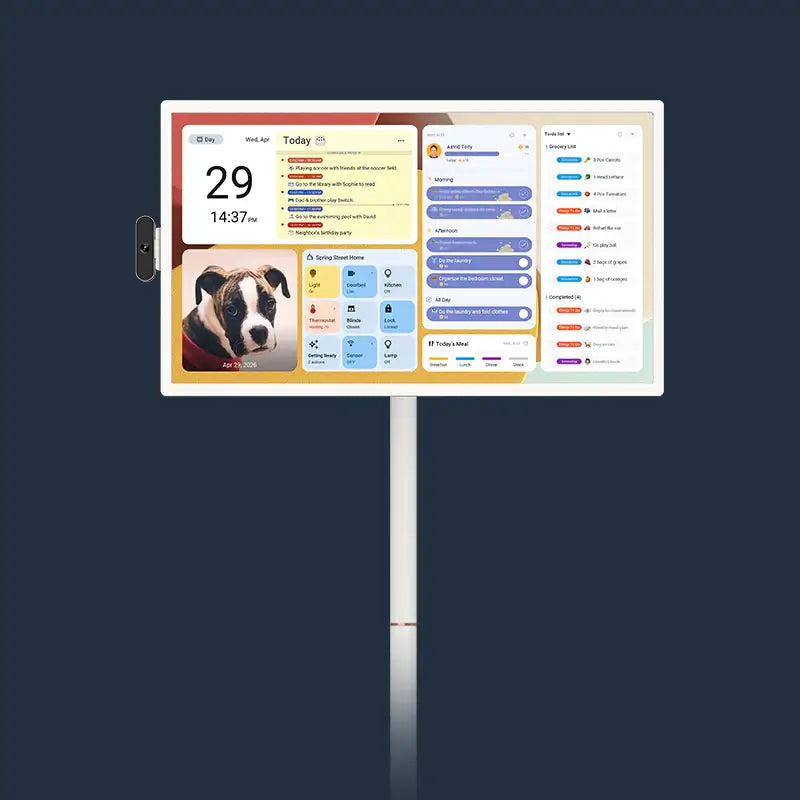
The physical display is the centerpiece of any smart calendar. A screen needs to be legible from across the room. Skylight offers sleek, bright screens. Their recent Calendar 2 model features enhanced brightness and a very responsive touch interface. The frames look like traditional home decor. Apolosign competes by offering a wider variety of large sizes. They provide a massive 21.5-inch option and a sharp 27-inch 4K version for their largest model. Their screens use an anti-glare matte finish. This matte finish works exceptionally well in bright kitchens.
Software Framework
Software determines how families interact with the calendar daily. An interface needs to be intuitive for a six-year-old and a grandparent. Skylight uses a highly focused, proprietary operating system designed specifically for family management. The navigation is incredibly polished and straightforward. Apolosign runs on Android. This gives users tablet-like freedom to customize their experience. Setup might take a few extra minutes. The reward is a device that can run almost any application available on the Google Play Store.

Subscription Cost vs One Time Purchase
A household budget dictates many decisions regarding smart home devices. Hardware prices only tell half the story. The true cost of ownership reveals itself over several years of daily use.
The Cumulative Expense
Purchasing a Skylight calendar is only the initial step. The mandatory Plus subscription costs roughly $79 annually for the calendar features. The company also charges $39 annually if you only want the photo frame features. Over a five-year period, a $300 Skylight calendar actually costs around $695. This hidden expense frustrates many budget-conscious households. Users frequently mention feeling forced to keep paying just to fully use a screen they already purchased. The subscription model ensures a steady revenue stream for the company. It simultaneously drains the family budget.
The Financial Freedom
Apolosign takes a fundamentally different approach. The core features remain free forever. A family purchasing a $279 Apolosign device pays exactly that amount over five years. This significant difference saves families hundreds of dollars. You get full access to the calendar sync, chore charts, and basic family organization tools without a monthly charge. They do offer an optional subscription for advanced AI features. The basic functionalities do not require a credit card on file. This transparent pricing model attracts many families who suffer from subscription fatigue.

Which One Is Easier for Busy Families
Daily routines dictate how these devices actually perform in a hectic household. The best technology fades into the background. It should make life easier rather than adding another screen to manage.
Managing School Routines
Mornings run smoother when everyone knows their tasks. Families with school-aged children appreciate chore charts and visual schedules. Both calendars handle multi-member coordination well. They allow parents to assign specific colors to different children. However, Skylight has a slight edge in pure, immediate simplicity. The interface requires zero configuration to get a chore chart running. Kids can easily tap the screen to check off their daily reading or tooth-brushing tasks.
Neurodivergent Support
Visual reminders are crucial for families managing ADHD. The large, clear displays help keep routines predictable. Predictability reduces anxiety and meltdowns. According to the CDC, children with ADHD often struggle to organize tasks and follow daily routines — making structured visual tools especially valuable at home. ADHD signs and symptoms include difficulty finishing tasks and forgetting details of daily routines, which visual calendar displays directly address. The CDC also recommends behavioral interventions and organizational skills training as core treatment strategies. ADHD treatment guidelines highlight the value of structured environmental supports alongside professional care. [[1]](#__1) Apolosign's ability to run specific Android timer apps or visual countdowns offers a customizable advantage. Parents can download specialized visual timers from the app store. They can run Pomodoro timers directly on the large screen. This flexibility allows a family to tailor the device to their specific neurodivergent needs.
Why More Families Prefer Apolosign in 2026
Market trends indicate a strong shift toward devices that offer more value and flexibility. Consumers demand hardware that serves multiple purposes. A single-use device often feels outdated in a modern smart home.
Dual Interface Modes
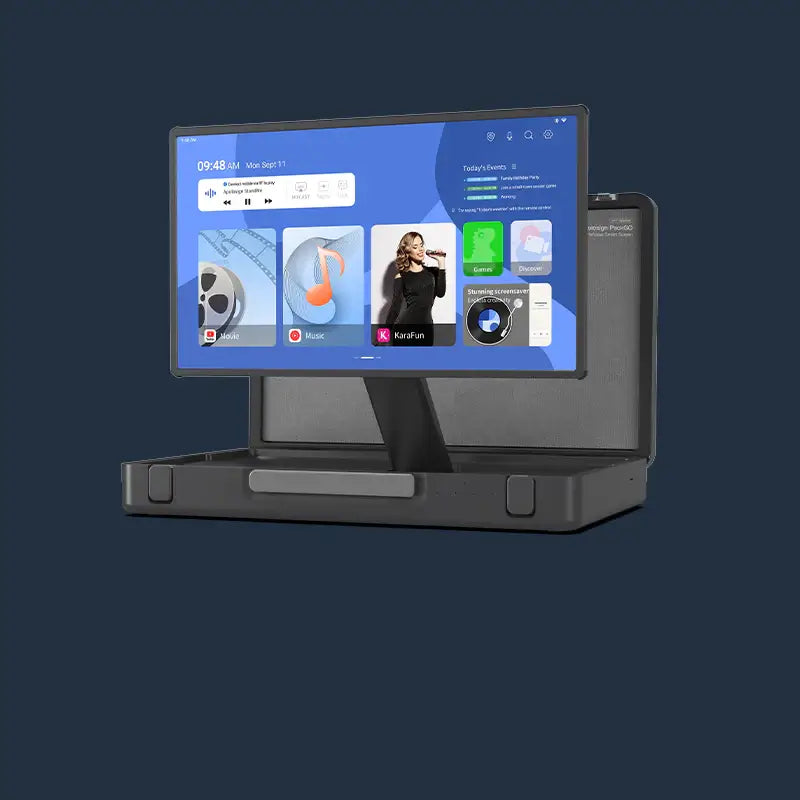
Users want versatility from their screens. Apolosign's dual interface modes offer a dedicated immersive calendar mode for daily organization. This mode hides the complex Android interface. It presents a clean, easy-to-read schedule. When needed, users can switch to a full Android desktop mode. A parent can close the calendar to browse the web for a recipe. They can open YouTube to watch a quick cooking tutorial. This dual nature ensures the large screen never sits idle.
Smart Home Integration
Modern homes rely on connected ecosystems. Families want their devices to talk to each other. Because it runs Android, Apolosign acts as a central smart home hub. Users can install apps for security cameras, lighting, and music streaming. You can view your front door camera directly on the kitchen calendar. It also supports "Hey Google" for basic commands. You can ask the calendar to check the weather. You can command it to turn off the kitchen lights. However, the voice assistant functionality does not support direct event entry on the device. You still need to type new events or sync them from your phone.
Final Verdict Which Smart Family Calendar Is Right for You
The best choice depends entirely on your specific household needs and technical comfort level. There is no universally perfect device. Each family operates with different constraints and preferences.
The Case for Skylight
Opt for Skylight if you prefer a highly polished, single-purpose appliance. It works exceptionally well for remote photo sharing and simple calendar syncing. Grandparents often find it incredibly easy to use. The setup process is virtually foolproof. It suits families willing to pay a premium for a refined, zero-fuss interface. The software rarely glitches. The user experience feels curated and intentional.
The Case for Apolosign
Pick Apolosign if you hate recurring fees. It offers incredible value, massive screen options, and unmatched flexibility. Tech-savvy families will love the ability to download apps and control their home. The lack of a paywall for core features makes it an excellent long-term investment. You can listen to podcasts while cooking. You can check your security cameras from the kitchen wall. It serves as a true digital command center rather than just a digital planner.
Upgrade Your Family Organization Today
Families experience less stress and gain more free time when they take control of their schedules. A central family organizer transforms chaotic mornings into smooth routines. Both devices offer excellent scheduling tools. The decision comes down to paying for curated simplicity or investing in open flexibility. Evaluate your long-term budget carefully to select the right device.
FAQs
Q1: Does the Apolosign calendar sync with Apple Calendar seamlessly?
Yes, it syncs reliably. You can easily connect your iCloud calendar alongside Google and Outlook accounts to maintain a unified family schedule.
Q2: Can I play music on the Skylight Calendar?
No, you cannot. The closed operating system prevents users from downloading third-party applications like Spotify or Apple Music.
Q3: Does Apolosign require any monthly fees for core features?
Absolutely not. The chore charts, list sharing, and main calendar sync functions are completely free for the life of the device.
Q4: Can I use voice commands to add events on Apolosign?
No, that feature is unsupported. While you can use voice commands to check the weather or control smart lights, you cannot add calendar events via voice.
Q5: Is the Skylight screen bright enough for a sunny kitchen?
Yes, it performs very well. The newest models feature significantly brighter screens that remain visible even in rooms with heavy natural light.