


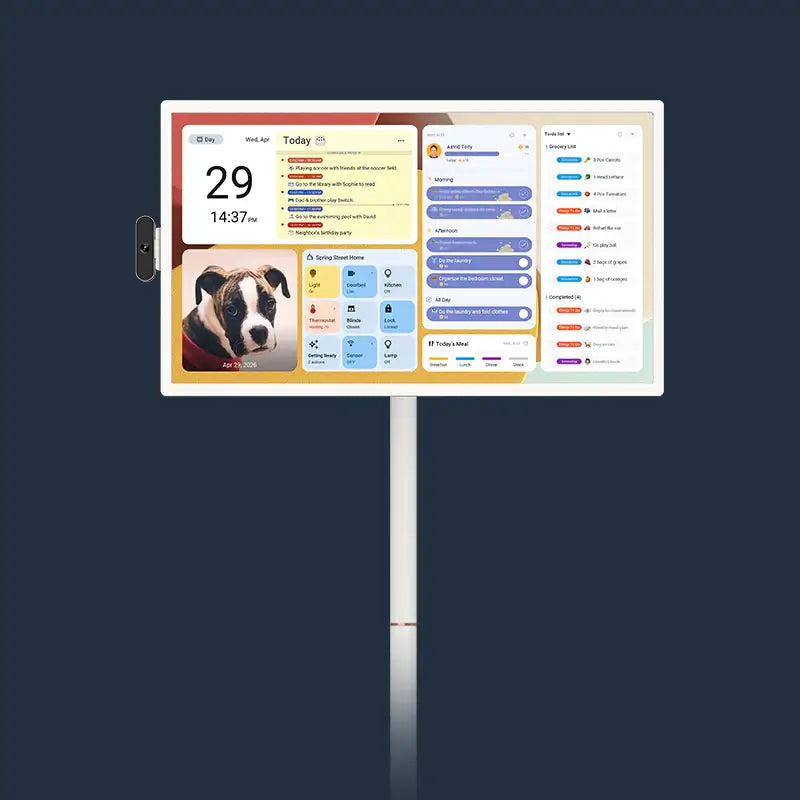
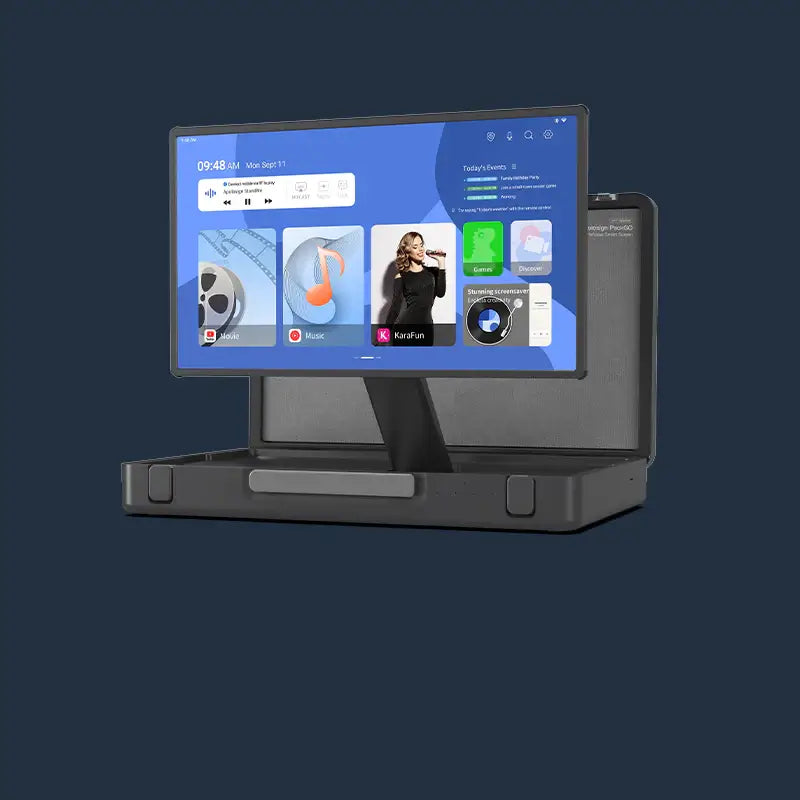


A modern digital calendar is the ultimate fix for busy households. A shared smart screen keeps everyone perfectly organized and reduces missed appointments. You will easily find the right fit by looking at screen dimensions, software compatibility, and basic installation needs.
This central display helps your family stay connected and manage daily routines with much less stress.
What a Wall Digital Calendar Actually Is
Before we look at specific hardware details, we need to clarify what this screen does for your home.
A modern wall display functions as a central information hub for the entire family. It replaces messy paper schedules with a bright and clear screen. You can connect it to your wireless network to pull in data from various online accounts. This setup gives everyone in the house a real-time view of daily tasks and upcoming events. Many families look for the best digital wall calendar 2026 to simplify their chaotic routines. The device stays on all the time so you can quickly glance at your day while walking past.
You can see the weather forecast, read your grocery list, and check your work meetings in one central place. It brings scattered digital information into the physical world. A dedicated screen eliminates the need to constantly check your smartphone for family updates. The tactile touchscreen interface makes interaction highly intuitive for people of all ages. Kids can easily walk up and check their daily chore charts before school. Parents can instantly verify the weekend sports schedule while pouring their morning coffee. The continuous display transforms hidden digital data into highly visible daily reminders.

Finding the Right Screen Size for Your Family Wall
Careful measurement of your available wall space helps you pick the perfect display for daily viewing.
Different spaces require different screen dimensions for the best visual experience. A tiny screen might frustrate family members who try to read it from across the room. A massive screen could easily overwhelm a cozy kitchen corner. We can look at some common dimensions to see how they fit into typical home layouts. Customer feedback in wall digital calendar reviews often highlights how much size impacts daily usability. You want a display that presents information clearly without dominating your interior decor. The table below outlines the most popular sizes and their ideal placements.
|
Screen Size |
Ideal Viewing Distance |
Best Room Placements |
Main Visual Advantage |
|
15.6 Inches |
Three to six feet |
Small kitchens, entryways, home offices |
Fits into tight spaces very easily |
|
21.5 Inches |
Six to twelve feet |
Standard living rooms, main hallways |
Balances clear text with a sleek profile |
|
27 Inches |
Over twelve feet |
Open floor plans, large family rooms |
Highly visible from very far away |
As the table illustrates, your room size directly influences the right hardware choice. Let us explore these popular dimensions in more detail to help your decision.
Compact Fifteen Inch Models
This smaller form factor works wonderfully for tight spaces. You can place it near your front door or tuck it between kitchen cabinets. Small families usually find this size perfectly adequate for their scheduling needs. The 15.6-inch digital calendar shows individual schedules and simple task lists clearly. The lightweight design makes it quite easy to handle during the initial installation phase. A smaller footprint ensures the screen blends seamlessly into your existing room aesthetic.

Versatile Twenty One Inch Screens
Most homes gravitate toward this medium size for a balanced viewing experience. It offers plenty of screen real estate without feeling overly bulky on the wall. The 21.5-inch display can comfortably show multiple color-coded schedules at the exact same time. The text size is generally large enough for older family members to read comfortably. It strikes a great compromise between visibility and physical footprint. You can easily spot your afternoon meetings from the kitchen island.
[[related_products_2]]
Large Twenty Seven Inch Displays
Spacious homes often benefit from a prominent information center. The 27-inch display can show complex chores, monthly layouts, and multiple time zones simultaneously. You can view the vibrant interface from the other side of a large room. The expansive screen area turns your daily schedule into an impressive piece of functional art. A large panel allows for split-screen layouts where calendars and grocery lists sit side by side.
How to Mount and Set Up Your Display Securely
The physical installation of your new screen requires a few basic tools and a solid wireless connection. For a complete walkthrough, the digital wall calendar setup guide covers every step from bracket selection to first-time software configuration.
Proper installation keeps your device safe and makes it look great. A loose bracket could lead to accidental damage or a tilted screen. You need to gather a power drill, a bubble level, and a screwdriver before you begin the project.
Standard Mounting Bracket Options
Standardized brackets make the attachment process completely straightforward. Most screens utilize a universal VESA mount pattern on the back. You will typically use a metal wall plate that screws directly into a wooden stud. Heavy-duty wall anchors usually provide enough support if you cannot locate a structural stud. For guidance on choosing the ideal height and wall position, the best digital calendar placement guide explains optimal eye-level positioning for different room types. A small bubble level guarantees the frame sits perfectly straight.
Power Outlets and Wireless Connectivity
A constant power source keeps your screen bright and active all day. You need an electrical outlet reasonably close to your chosen mounting spot. Cable covers can neatly hide the power cord and keep your wall looking tidy. Some homeowners hire professional electricians to install hidden outlets directly behind the screen. A strong wireless signal is equally important for smooth operation. The device needs consistent internet access to fetch schedule updates and display accurate weather data. You might need a wireless extender if your mounting spot has a weak router signal.
Account Syncing for Family Members
The software configuration brings your hardware to life. The main user usually creates a central account to manage the primary display settings. You can then invite other family members to connect their personal accounts. For a step-by-step overview of how account syncing works across different calendar providers, the dedicated guide covers Google, Apple, and Outlook connections in detail. The system automatically assigns different colors to different people. This visual separation helps everyone see who has basketball practice or a dental appointment at a quick glance.
Smart Features That Add Real Value to Your Routine
The software inside your display makes a huge difference in how your family interacts with it.
Basic time displays are helpful, but modern technology offers much more functionality. The best devices include clever tools that save you time and physical effort. We should focus on features that actually solve daily household problems.
Here are a few popular software tools you will likely encounter:
- Interactive chore charts for children
- Shared grocery and hardware store lists
- Meal planning and recipe display modules
- Digital sticky notes for quick family messages
Voice Assistant Limitations and Strengths
Voice controls provide excellent hands-free convenience when you are busy. You might expect to add calendar events by voice, but voice assistants typically handle other specific tasks. You can use simple voice commands to check the local weather forecast while you cook dinner. These built-in assistants also connect beautifully to your smart home ecosystem. You can ask the display to turn on your kitchen lights, play your favorite morning music, or show the live feed from your security cameras. Manual touchscreen input remains the reliable way to add new schedule events or appointments to the calendar.
Customized Family Dashboards
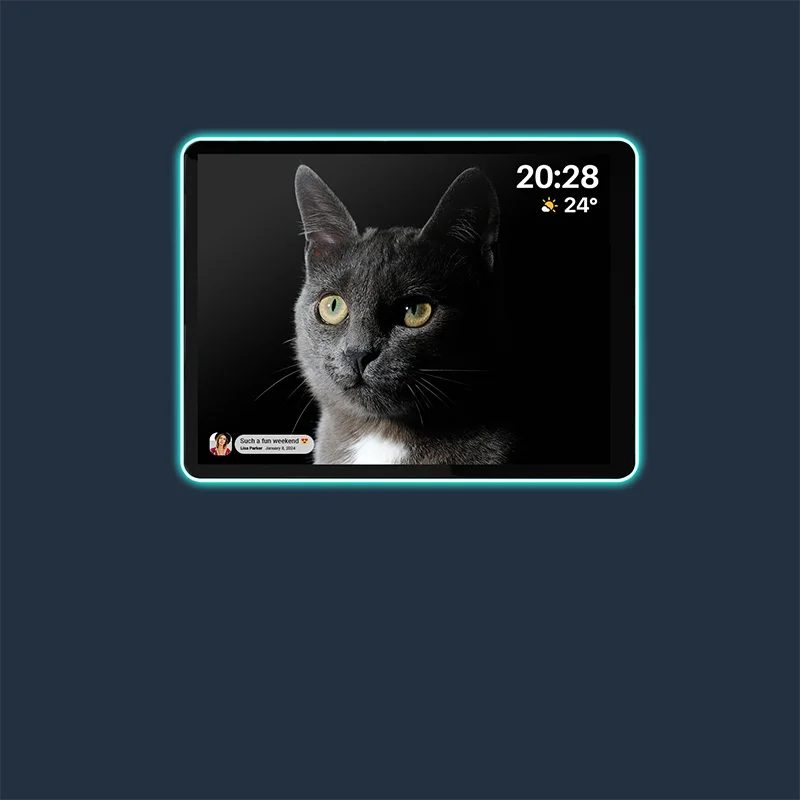
A personalized layout makes the screen feel like it truly belongs in your home. You can usually rearrange widgets to prioritize the most important daily information. The weather widget can sit right next to your urgent shopping list. You can set the background to show a rotating gallery of your favorite family photos. The display morphs into a lovely digital picture frame when nobody is interacting with it. Custom colors and friendly fonts help the interface match your home decor.

Home Automation Hub Functions
The display can act as a central control panel for your entire house. It connects easily with smart bulbs, thermostats, and doorbell cameras. You can manage your physical environment directly from the responsive touchscreen. U.S. Department of Energy research confirms that integrated smart home control panels reduce unnecessary energy use by enabling more consistent device management across the household. [[0]](#__0) A single tap on the screen can lock your front door and turn off the living room lights before bed. You do not need to pull out your phone to adjust the ambient room temperature.
Common Mistakes to Avoid During Your Search
Awareness of the usual pitfalls helps you purchase a device that truly fits your lifestyle.
Many buyers encounter unexpected issues because they rush the decision process. A little careful review can save you from costly buyer remorse. We can highlight a few typical errors to keep you on the right track.
Ignoring Hidden Subscription Fees
Monthly fees can drastically inflate the true cost of your new device. Certain brands require ongoing payments to unlock essential features like custom photo uploads or advanced chore charts. You should actively look for devices that offer their core software for free. A one-time hardware purchase is usually the smartest financial move for a household. Free software ecosystems provide lasting value without draining your monthly budget.
Overlooking Software Compatibility
A smart display is practically useless if it cannot talk to your existing accounts. Some screens only support a narrow range of digital services. You must verify that the device works smoothly with your preferred email provider. NIST research on smart home privacy and security notes that users consistently rate data transparency and open compatibility as top concerns when choosing always-on home displays. Open software platforms generally offer the best flexibility for diverse family needs.
Upgrade Your Home Organization System Today
A dedicated family schedule board improves daily coordination tremendously. Prioritize devices with free software and standard mounting hardware to save money over time. Review your wall space carefully to pick the ideal screen size for comfortable viewing. Your new shared digital hub will quickly become the most helpful organizational tool in your modern home.
FAQs
Q1: Can multiple users sync different types of calendar accounts to the same screen simultaneously?
Yes, the system allows for parallel synchronization across various user profiles. Different family members can link their independent accounts directly to the main display. The software typically pulls data from all connected sources and displays them together. Color coding helps everyone distinguish their personal tasks from the rest of the family activities.
Q2: What happens to the displayed schedule if the home internet connection goes down?
The device relies on its local memory to show your last known schedule. You will still see the calendar layout and the events that downloaded before the network drop. You simply lose the ability to see real-time updates or sync new changes from your phone. Normal functionality resumes automatically once your router reconnects to the web.
Q3: Does the touchscreen surface require a specific type of cleaning solution to avoid damage?
No, a simple dry microfiber cloth provides the safest cleaning method. You should stay away from harsh chemical sprays or abrasive wipes that might strip the anti-glare coating. A slightly damp cloth works perfectly for sticky fingerprints, as long as you dry the surface immediately afterward.
Q4: Is it possible to use a third party television mount instead of the included hardware?
Yes, you can swap the factory mount for any bracket that matches the standard hole spacing on the back panel. Many buyers use adjustable arm mounts to tilt the screen toward different parts of the room. You only need to verify that your new bracket can support the overall weight of the display unit.
Q5: How much electricity does a continuous display consume over a one year period?
The annual power usage remains incredibly low compared to standard household appliances. DOE research on energy-efficient panels confirms that modern smart displays draw very little current during normal operation and that automatic dimming features further reduce consumption during low-activity periods. [[1]](#__1) Most devices automatically dim the backlight or enter a low-power mode when the room is dark. This smart energy management keeps your utility bills from noticeably increasing.