





The easiest way to build an after-school chores routine for kids is to attach one small task to something that already happens, like snack or arrival, and show the sequence visually so your child can see what comes next. Skip the full chore chart. Start with one job, one trigger, and one clear finish line, and let the clock stay flexible while the order stays the same.
That single change turns the chore into a normal step in the afternoon instead of a demand your child has to fight. Below is a ready-to-use flow, plus how to size the task, make it visible, and handle the days it does not go as planned.
Build the After-School When/Then Flow Around One Small Chore
A workable after-school flow links one small chore to a milestone your family already hits every day, such as snack or arrival, and points straight to what happens next. The exact time does not matter as much as the order staying familiar.
Pick the Milestone That Already Happens
Choose arrival, snack, homework, outdoor play, or screen time as your anchor, based on what your afternoon actually looks like this week. A routine built on an invented clock schedule falls apart the first time practice runs late or the bus is delayed, while one built on an existing milestone survives normal schedule shifts.
Write the Smallest Complete When/Then Step
Make the chore something your child can see finished, like carrying the plate to the sink or putting the backpack on its hook. Then name one immediate next activity, such as homework or play, so your child can see the whole path through the transition instead of guessing what happens after the task.
Here is one sample flow families can copy and adjust:
| Afternoon moment | When/Then cue | Child action |
|---|---|---|
| Arrive home | When you're inside, then put your backpack on the hook | Hang backpack, take off shoes |
| Snack | When you finish snack, then clear your dishes | Carry cup and plate to the sink |
| Small cleanup | When dishes are done, then start homework or free play | Wipe the table or put snack items away |
| Homework or play | When homework is done, then screen time (if it's a screen day) | Close books, put homework in the folder |
A chore introduced this way feels different from one added after an argument, because it is simply the next expected step, not a punishment tacked onto the end of a bad afternoon.

Choose a Chore and Timing That Fit the Child's Energy
Pick the task and the trigger based on how your child usually feels at that point in the afternoon, not on a fixed age rule. A child who walks in ready to go can start right away, while one who is hungry or drained needs a beat first.
Start After Arrival or After Decompression
If your child comes home talkative and settled, a simple arrival task like putting belongings away works well. If your child is hungry, cranky, or worn out, put snack or a short break before the chore instead. One manageable task introduced at a consistent point in the day is easier for kids to accept than a longer list dropped on them the moment they walk in, and it leaves room to adjust for a child who has trouble shifting between activities, as shown in pediatric chore guidance.
Give the Chore a Clear Finish Line
Choose one action your child can recognize as done, like dishes in the sink or shoes in the bin, rather than an open-ended standard like "tidy up." If the task keeps growing or turning into three chores, cut it back before you add anything new. Our after-school routine guide walks through more ways to structure the whole afternoon once this first step is working.

Put the Routine Where the Child Can See It
A visual cue should show the current task, the next activity, and a clear finished state, so your child stops needing you to repeat the instruction. Put it somewhere your child already looks during the transition, like the kitchen counter or the door.
Show Now and Next
Place the current chore and the activity that follows right beside each other, using words, pictures, or both depending on what your child follows best. A phrase like "First clear your snack dishes, then play" gives a concrete next step instead of a vague expectation. Visual supports remind kids what happens now and what happens next, cutting down on repeated verbal directions according to visual routine card guidance.
Make Finished Visible
Let your child flip a card, move a marker, or check a box when the chore is done. That visible finish answers the question "what happens now?" without another reminder from you, because the next step is already sitting right there.
Handle Resistance and Missed Days With a Low-Emotion Reset
When your child says no, keep your response short, point at the current cue, and offer the smallest version of the task that still counts as done. Save the longer conversation for later, when nobody is mid-transition.
When the Child Says No
Point back to the visual cue and name one small next action, like "backpack first, then you're done." If refusal keeps happening at the same spot, that is a signal to shrink the task or move it to an easier point in the afternoon, not to add a bigger consequence.
When the Routine Is Missed
Treat one missed afternoon as information, not a reason to escalate. Resume at the next natural milestone the following day, and simplify the task if the same spot keeps causing trouble. Overload or trouble switching activities is a common reason kids resist, and it usually calls for a smaller task rather than a stronger threat.

Adapt the Flow for Tired Days, Homework, and Siblings
Keep the same milestone across different afternoons and different kids, but let the task size and finish line change. Consistency comes from the order staying familiar, not from every day or every child doing the identical chore.
If the Child Needs Decompression
Move the chore after snack or a short reset instead of expecting it the second your child walks through the door. Keep this early version especially simple and quick to finish, since a tired child needs the smallest possible win to keep the routine going.
If Siblings Need Different Versions
Use one shared milestone, like snack, for the whole family, but give each child a task sized to their ability, with its own finish line. A younger sibling with a two-step task and an older sibling with a three-step task can both be doing their part without doing the same thing. Predictable routines can flex around real differences in temperament and workload without falling apart, as outlined in Head Start routine guidance.
Keep the Routine Consistent Without Forcing the Clock
Consistency means the steps stay in the same order, even when the exact time they happen changes because of practice, a late bus, or a long homework night. When the routine breaks down, change one variable before adding more chores, reminders, or rewards.
Review One Failure Point at a Time
Ask whether the trigger, the task size, the wording, or the visual cue caused the breakdown, then adjust just that one piece. Changing everything at once makes it hard to tell what actually fixed the problem, and it usually means redesigning the whole afternoon for no reason.
Add a Shared Display Only When Visibility Is the Gap
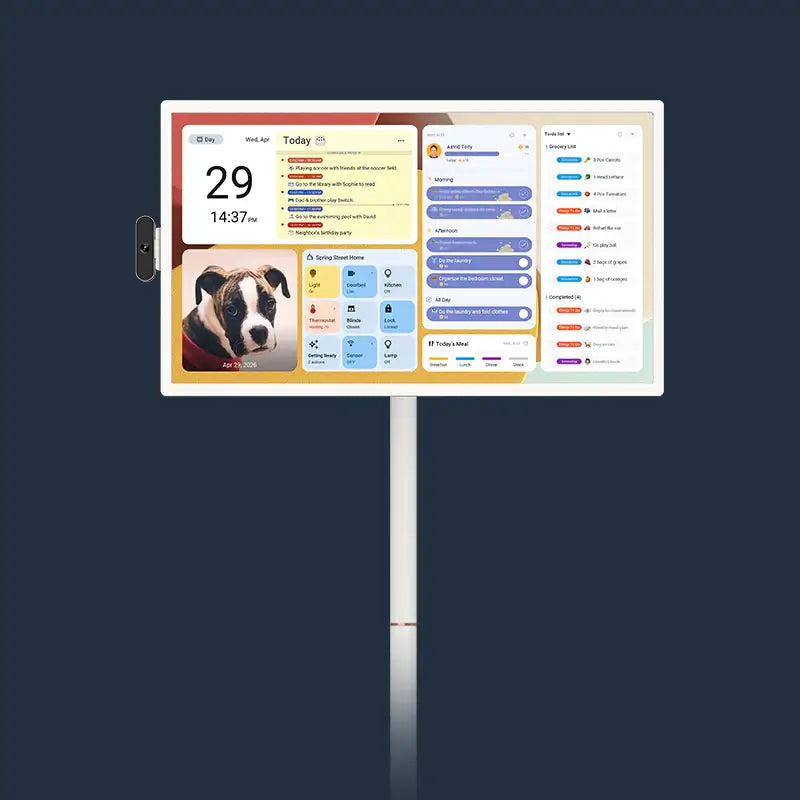
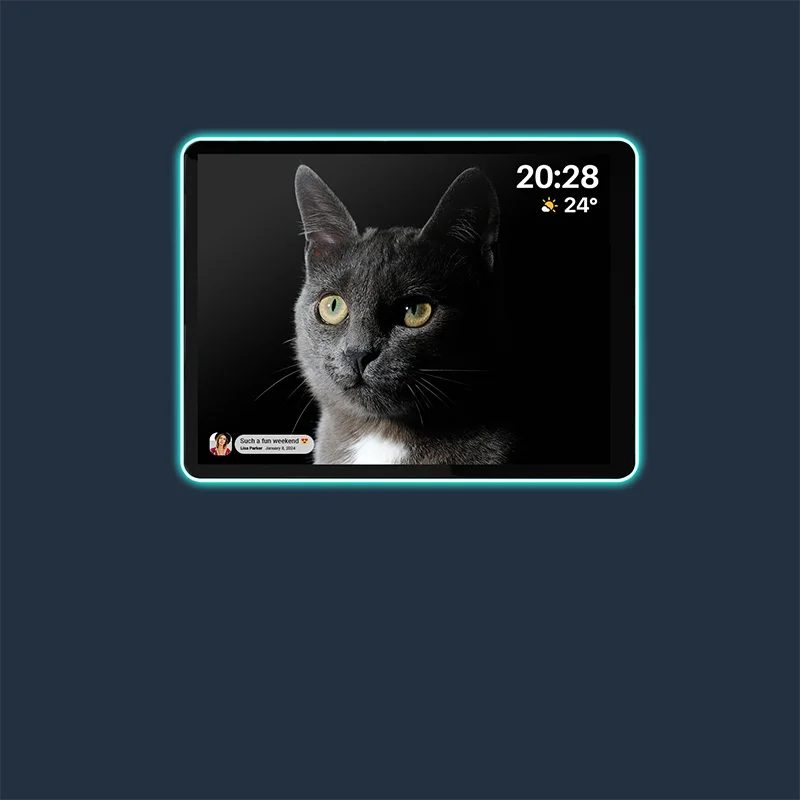
If a paper card or handmade board keeps disappearing or getting ignored, a shared screen can solve that specific visibility problem. Our Apolosign 15.6" Digital Calendar turns routine tasks into points and rewards, syncs with Google, Apple, and Outlook calendars, and displays reminders on its Message Board so the whole family sees the same cue in one spot. It is one option worth trying once the basic When/Then flow already works on paper, not a requirement for getting started.
To establish an effective after-school chores routine for kids today, pick one chore, write one When/Then phrase, and put one visible cue somewhere your child will naturally see it before tomorrow's transition. Watch the next ordinary afternoon and adjust only what actually caused friction.
FAQs
What if my child refuses the chore every day?
Daily refusal usually means the task or the timing is too big for that transition, not that your child is being difficult on purpose. Shrink the chore, move it to a calmer point like after snack, and try again the next afternoon. Change one variable before adding a bigger consequence.
How do we keep the routine on days with sports, activities, or late pickup?
Keep the same order when you can, and swap in a different trigger, like right after the car ride home, when the usual milestone disappears. Tell your child what is different before you start the transition, so the routine still feels familiar even though the timing moved. Choose the backup trigger before you leave for pickup, not after you arrive.
Do after-school chores need a reward to work?
No. A preferred activity like screen time can follow a chore naturally, but the routine should still work on days without a reward, using snack, play, or homework as the next step instead. Pick one activity that already happens next in your day and use that as the "then" instead of building in a prize every time.
What if my child does the chore but does it poorly?
Separate finishing the task from doing it perfectly. Acknowledge that your child did it, then show the one part that needs fixing instead of asking for a full redo. Add a simple visual standard, like a photo of the finished counter, so "done" has a clear look next time.