




Meal planning for busy families is difficult not because parents do not care about meals, but because dinner decisions often happen during the most stressful part of the day. They struggle because dinner decisions happen at the busiest part of the day. Between school schedules, work meetings, after-school activities, picky eaters, changing appetites, and last-minute grocery runs, meal planning can quickly become another mental task that falls on one person.

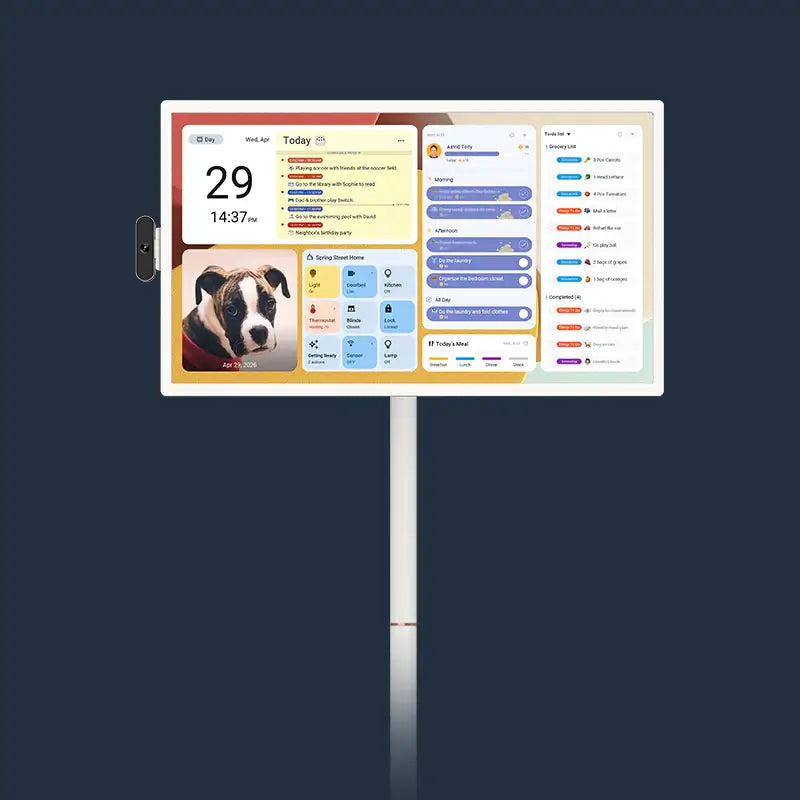
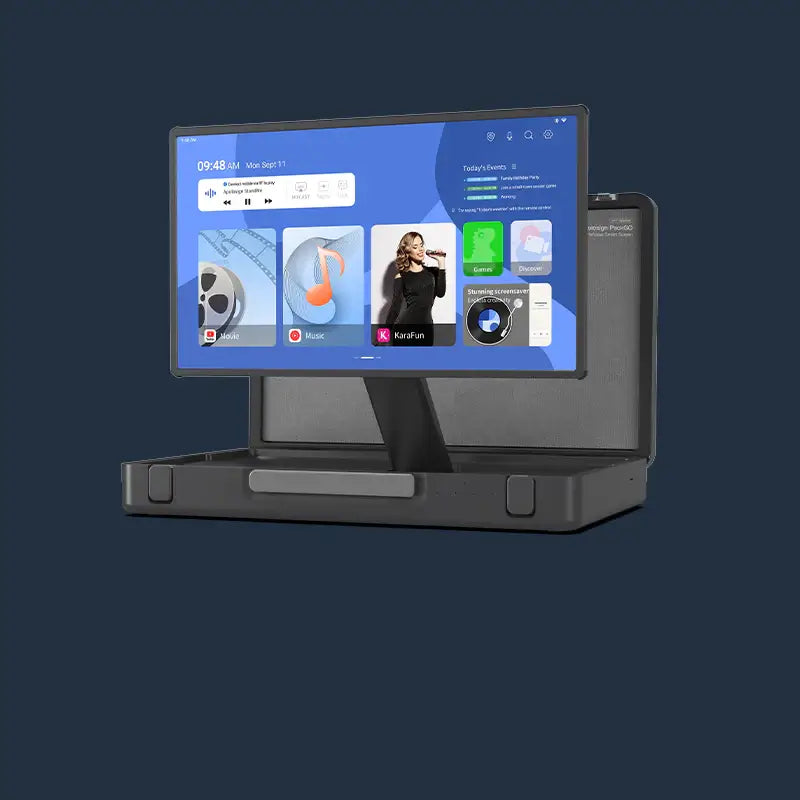
A smarter family meal plan solves that problem by making meals visible, repeatable, and easy for everyone to follow. Instead of keeping dinner ideas in a notebook, group chat, paper calendar, or someone's memory, families can use an Apolosign digital calendar as a shared planning hub in the kitchen or family space.
With a family digital wall calendar, meal plans become part of the daily routine. Everyone can see what is planned for breakfast, lunch, dinner, and snacks. Parents can organize recipes, reuse favorite meals, and reduce the stress of deciding what to cook at the last minute.
What Is a Digital Meal Planner for Families?
A digital meal planner for families is a shared planning system that helps organize meals, recipes, and grocery needs in one visible place. Unlike paper planners or phone notes, it allows the whole household to see what is planned for breakfast, lunch, dinner, and snacks, making meal planning easier to manage and follow.
Why Meal Planning Feels Hard for Busy Families
Meal planning sounds simple: choose meals, buy ingredients, cook on schedule. In real life, it often becomes complicated because family routines are constantly changing.
Common meal planning challenges include:
- Forgetting what ingredients are already at home
- Buying groceries without a clear plan
- Repeating the same meals too often
- Losing recipes saved in different apps, websites, or photos
- Planning dinner without knowing everyone's schedule
- Managing different food preferences for kids and adults
- Struggling to answer the daily question: "What's for dinner?"
Traditional paper meal planners can help, but they are not always flexible. If plans change, they need to be crossed out and rewritten. A phone app can work for one person, but it is not always visible to the whole family. That is where a digital wall calendar for family routines becomes useful.
A digital display turns meal planning into something the entire household can see and understand. When the meal plan is placed where family life happens, such as the kitchen, it becomes easier to follow.

Why Every Family Needs a Better Meal Planning System
A better meal planning system is not just about knowing what to cook. It helps families save time, reduce food waste, and create a smoother weekly rhythm.
When meals are planned in advance, families can:
- Shop with a clearer grocery list
- Prepare ingredients ahead of time
- Avoid unnecessary takeout
- Coordinate meals around busy evenings
- Reuse proven recipes instead of starting from scratch
- Help children know what to expect
- Share cooking responsibilities more easily
The best system is one that is visible, simple, and repeatable. A digital meal planner for kitchen use is especially helpful because the kitchen is where meal decisions become action. Instead of opening several apps or searching through notes, the family can simply look at the screen.
For many households, an Apolosign setup can function as a weekly menu board digital solution, a family schedule display, and a recipe organizer in one place. It brings the meal plan out of individual devices and into a shared family environment. Research from the USDA confirms that taking time each week to plan meals helps families shop smarter, reduce food waste, and make healthy eating and weekly meal planning more sustainable over time.

How a Digital Calendar Helps With Family Meal Planning
The Apolosign digital calendar is designed to help families organize daily life in a more visual way. For meal planning, its value comes from combining calendar visibility with recipe management and recurring schedule features.
Instead of treating meal planning as a separate task, Apolosign helps connect food planning with the family calendar. This means meals can be viewed alongside the rhythm of the week, making it easier to plan around school nights, sports practices, work commitments, and weekends.
Create Weekly and Recurring Meal Plans
Many families do not need a brand-new menu every week. In fact, recurring routines often make meal planning easier. Taco night, pasta night, leftovers night, slow cooker meals, and weekend breakfasts can all become dependable anchors in the week.
Apolosign supports recurring meal plans for up to 7 days, making it useful for established dining routines. You can set start and end dates for a recurring plan, which helps when you want a routine to run for a specific period.
This is helpful for families that like structure, such as:
- Monday meal prep dinners
- Tuesday quick meals before activities
- Friday family favorites
- Weekend brunch routines
- Repeating school lunch ideas
- Rotating snack plans for kids
Recurring meal planning reduces decision fatigue. Once the routine is created, families can make small adjustments instead of rebuilding the whole weekly plan every time. Studies published in the American Journal of Preventive Medicine found that greater time spent on home food preparation is associated with higher diet quality, including more frequent intake of vegetables and fruits — reinforcing why consistent routines matter for home food preparation and healthy eating habits.
View Your Family's Meals at a Glance
A meal plan is only useful if people can actually see it. Apolosign provides a visual calendar display that helps everyone understand what is planned without digging through a phone.
The vertical date layout makes it easy to scan upcoming days. Meals can be categorized by breakfast, lunch, dinner, and snacks, so the family can quickly see what is planned for each part of the day.
If there are multiple dishes or recipes added to one meal period, a "+ More Recipes" indicator helps show that additional items are included. This keeps the display clean while still allowing fuller meal details when needed.
This kind of quick-view layout is especially useful for families because it answers common questions immediately:
- What are we having tonight?
- What should I pack for lunch tomorrow?
- Are there snacks planned for after school?
- Which recipe should we prep first?
- Do we need to adjust dinner because of tonight's schedule?
A visible family digital wall calendar can also encourage more family participation. Kids can check the meal plan, adults can coordinate cooking tasks, and everyone has fewer surprises.
How to Create a Meal Plan on Apolosign Digital Calendar
Creating a meal plan on Apolosign is designed to be straightforward. You can use the Apolosign app on your mobile device to create and manage meals, then sync them with the family calendar so everyone can view the plan.
Step 1: Open the Meal Plan Feature
Start by opening the Apolosign app on your mobile device. From there, access the Meal Plan section from the bottom-right corner.
You can also add a meal entry by long-pressing a time slot on the calendar. This is useful when you are already looking at the weekly schedule and want to place a meal directly into the right day or time.
This flexibility makes it easier to build meal planning into your normal calendar routine. Instead of switching between separate systems, you can plan meals where your family schedule already lives.
Step 2: Add Meals and Recipes
After opening the Meal Plan feature, select the date you want to plan for. Then choose the meal type, such as breakfast, lunch, dinner, or snacks.
From there, you can select from existing recipes or create a new dish. Existing recipes are helpful when you want to reuse meals your family already enjoys. New dish creation is useful when you are trying something different or saving a recipe for the first time.
A practical weekly flow might look like this:
- Choose the upcoming week.
- Add recurring family favorites first.
- Fill in busy nights with quick meals.
- Add lunches and snacks where needed.
- Save new recipes you want to try.
- Review the plan before grocery shopping.
This turns Apolosign into more than just a calendar. It becomes a smart kitchen display for recipes and meal planning, helping you connect meal ideas with actual days of the week.
Step 3: Save and Share Your Family Meal Schedule
Once your meals are added, save the plan and sync it with the family calendar. Family members can then view the schedule anytime on the display.
This is especially helpful when more than one person helps with meals. One parent may start dinner, another may handle grocery shopping, and older kids may be responsible for preparing snacks or simple meals. A shared display keeps everyone aligned.
It can also support a better grocery list on digital calendar routine. When meals are planned clearly, it becomes easier to identify what ingredients are needed before shopping. While the grocery list itself may depend on how your family manages shopping, connecting the list to the meal plan helps reduce forgotten ingredients and duplicate purchases.
Cook Smarter with AI-Powered Recipe Tools
Apolosign also helps families move from scattered recipe ideas to organized meal plans. Many households collect recipes from photos, websites, social media, family members, or handwritten notes. The challenge is turning those ideas into something usable during a busy week.
AI-powered recipe tools can help simplify that process. The USDA's MyPlate program recommends building meals around balanced food groups — having a structured digital recipe library makes it easier to follow balanced family meal guidelines consistently.
Turn Recipe Photos into Organized Meal Plans
If you have a recipe photo, Apolosign can help identify the recipe and extract key information. The AI can organize ingredients and cooking steps, making it easier to save the recipe in a usable format.
This is helpful when you have:
- A photo of a cookbook page
- A handwritten family recipe
- A screenshot from a friend
- A recipe card from a relative
- A saved image from a meal idea
Instead of manually typing everything, you can use the photo as a starting point and turn it into an organized recipe for future meal planning.
Import Online Recipes with AI Analysis
Online recipes are convenient, but they can be hard to manage when links are scattered across browsers, notes, messages, and bookmarks. Apolosign can help import recipes from the web and use AI analysis to generate text-based instructions.
This gives families a cleaner way to reference recipes while cooking. Saving the original link also makes it easier to return to the source when needed.
For a family kitchen, this can be especially useful because the recipe is no longer trapped on one person's phone. When a recipe is part of the shared meal plan, another family member can help cook without asking where the instructions are.
Keep Favorite Recipes Ready for Future Meals
A good meal planning system should get easier over time. As you save frequently cooked recipes, you can build a family recipe library that reflects what your household actually eats.
You can filter and categorize recipes so they are easier to find later. For example, you might organize meals by:
- Quick weeknight dinners
- Kid-friendly favorites
- Breakfast ideas
- Lunchbox meals
- Healthy snacks
- Weekend meals
- Holiday dishes
- Make-ahead recipes
Once your favorite recipes are saved, you can quickly reuse them in future meal plans. This makes Apolosign a practical digital meal planner for kitchen routines because it combines planning, display, and recipe reuse.
Tips for Creating a Stress-Free Weekly Meal Routine
A smarter tool works best when it is paired with a simple routine. You do not need to plan every meal perfectly. The goal is to reduce stress, not create another complicated system.
Here are practical tips for building a weekly meal routine with Apolosign.
Start with dinners first
Dinner is usually the most stressful meal for busy families, so start there. Plan dinners for the week before adding breakfasts, lunches, or snacks.
Use recurring meals to reduce decisions
Choose a few repeatable themes, such as soup night, pasta night, rice bowl night, or leftovers night. Recurring plans can help make your week feel more predictable.
Match meals to your schedule
Use quick meals on busy nights and more involved recipes on slower days. A digital wall calendar makes it easier to see which nights need simple options.
Save recipes as you go
When your family likes a meal, save it immediately. Over time, your recipe library becomes a personalized collection of reliable options.
Review the plan before shopping
Before going to the store, check the weekly meal plan and identify the ingredients needed. This supports a more focused grocery routine and helps prevent random purchases.
Let the whole family see the plan
Meal planning should not live in one person's head. When the plan is visible on a digital wall calendar for family use, everyone can participate.
Make Family Meals More Organized with Apolosign Digital Calendar
Apolosign helps families bring structure to one of the most repeated parts of daily life: eating together. By combining a shared calendar display, meal planning tools, recurring schedules, recipe storage, and AI-powered recipe organization, it can turn scattered meal decisions into a clear weekly system.
For families searching for the best digital calendar without subscription, the right choice depends on household needs, display preferences, and the features that matter most. But if your goal is to make meal planning more visible and easier to manage, Apolosign offers a practical way to organize meals where your family can actually see them.
Whether you want a weekly menu board digital display, a shared family schedule, a smarter recipe hub, or a kitchen-friendly planning tool, Apolosign can help make meals feel less chaotic and more intentional.
Start with one week. Add your family's favorite meals, save your most-used recipes, and place the calendar where everyone can see it. A smarter meal routine does not have to be complicated. It just needs to be clear, shared, and easy to repeat.
FAQ
What is the best way to plan meals for a busy family?
The best way to plan meals for a busy family is to start with a simple weekly system. Plan dinners first, then add breakfasts, lunches, and snacks as needed. Many families find it helpful to reuse favorite meals, match meals to busy and slow days, and keep the plan visible in a shared space so everyone can follow it.
What is a digital meal planner for families?
A digital meal planner for families is a shared planning tool that helps organize meals, recipes, and grocery needs in one visible place. Unlike paper planners or phone notes, it allows the whole household to see what is planned for the week and makes meal planning easier to manage together.
How can a digital calendar help with family meal planning?
A digital calendar helps families see meals, schedules, and grocery needs in one place. This makes it easier to plan around school, work, sports, and other activities while reducing last-minute decisions about what to cook.
What should a family meal plan include?
A family meal plan should include breakfasts, lunches, dinners, snacks, and the ingredients needed for each meal. It can also include recurring meals, favorite recipes, grocery reminders, and notes for especially busy evenings.
Can a digital meal planner help with grocery shopping?
Yes. When meals are planned in advance, it is easier to see which ingredients are needed for the week. This helps families shop with a clearer grocery list, reduce forgotten items, and avoid duplicate purchases.
Where should you put a digital meal planner at home?
The best place for a digital meal planner is a shared space where family members naturally look every day, such as the kitchen, dining area, or family command center. A visible location makes it easier for everyone to check meals and stay aligned.
Can I create recurring meal plans with Apolosign Digital Calendar?
Yes. Apolosign Digital Calendar supports recurring meal plans for up to 7 days. This is useful for families who like repeatable routines such as taco night, pasta night, leftovers night, or rotating lunch and snack plans.
Can Apolosign help organize recipes from photos and websites?
Yes. Apolosign includes AI-powered tools that can help organize recipes from photos and import recipes from online sources. This makes it easier to turn saved recipe ideas into usable meal plans for the week.
Does Apolosign Digital Calendar require a subscription for meal planning features?
No. Apolosign Digital Calendar's meal planning features are available without additional subscription fees. Families can use meal planning, recipe organization, and calendar tools without paying a monthly or yearly fee.
Is Apolosign useful as a kitchen recipe display?
Yes. Apolosign can work as a kitchen recipe display by showing meal plans and recipe information in a visible shared location. This makes it easier for family members to follow the plan without searching through phones, notes, or printed pages.