





A portable smart screen quickly transitions between daily household management and outdoor entertainment. These rolling displays work as a central hub for shared schedules during the day. They easily transform into a temporary backyard theater by night. Setting up a flexible screen requires matching battery life, network connections, and physical footprints to your usual living habits.

Build a Family Command Center Calendar That Stays Useful
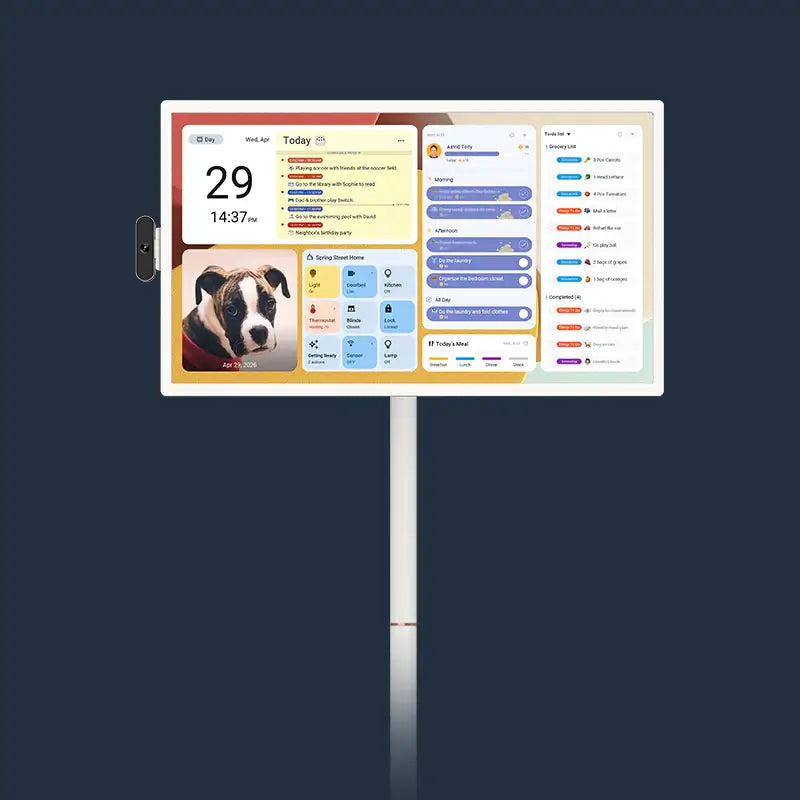
The ability to move a display from room to room opens up new ways to organize daily life. Set up a dedicated visual dashboard in high-traffic areas to keep everyone on the same page. A family command center calendar works best when it syncs with individual phones and displays color-coded schedules. You should position this hub where family members naturally gather every morning. A centralized screen eliminates confusion over daily tasks and upcoming appointments. Visual repetition helps younger family members remember their daily responsibilities without constant verbal reminders. A bright and readable screen draws the eye naturally to keep everyone informed.
What to Put on the Shared Family View
Populate your screen with the most critical daily information. A digital schedule is highly effective when everyone contributes to it. You can sync individual calendars to flow into one master view. This allows parents and children to see overlapping events immediately.
Include a running grocery list on the side of the screen. Anyone can tap to add items when they notice the milk is running low. Chore charts also work beautifully in a digital format. Assign specific colors to each family member to clarify responsibilities. Add a local weather widget to help everyone dress appropriately before leaving the house. Consolidating these details into one place reduces morning stress significantly. A large interactive screen makes household management highly visible and accessible. You can even leave digital sticky notes for family members who leave for work early. A shared digital space fosters better communication across busy households.
Kitchen Counter, Wall, or Nearby Room
Decide exactly where the screen will live during its downtime. The kitchen serves as the traditional heart of the home. A rolling screen can slide right up to the kitchen island. This allows you to read recipes while chopping vegetables.
Sometimes the kitchen lacks enough open floor space. You might place the display in an adjacent dining room or a wide hallway instead. The advantage of a wheeled base is complete flexibility. You can push the screen flat against a living room wall when guests arrive. It easily rolls back out when you need to review the weekly schedule. Always look for a location with a nearby power outlet. Keeping the device plugged in during stationary periods ensures it remains fully charged for mobile use later. A dedicated corner prevents the screen from becoming an obstacle in tight walkways.
Match the Display to Your Space and Moving Routine
The location of your dashboard leads directly to how the screen moves around the house. Select a screen with smooth caster wheels and an adjustable tilt stand to fit different room layouts. A heavy base requires careful navigation across different flooring types. You should evaluate your typical walking paths to ensure the device rolls freely without obstruction. Pushing a heavy stand over a thick rug requires significant physical effort. Measure the width of your interior doorways.
Evaluate the Base and Wheels
Look closely at the wheel design before purchasing a rolling screen. Hardwood floors demand soft silicone wheels to prevent scratches. Thick carpets require larger wheels to maintain momentum. You should test the base stability by gently pushing the stand across transition strips between rooms.
Five-point bases typically offer better balance than four-point bases. Lockable casters are highly recommended. You want the screen to stay firmly in place once you find the perfect viewing angle. Unlocked wheels can cause the screen to drift if the floor is slightly uneven. Give the stand a gentle shake to ensure the locking mechanisms hold securely.
Test the Screen Tilt and Height
A static screen height quickly becomes frustrating in a dynamic home. The ideal display height changes depending on your current activity. You will want the screen positioned lower when sitting on the sofa. You will need it raised higher when standing at a kitchen counter.
Seek out stands with a smooth pneumatic or mechanical lift system. The screen should also tilt forward and backward. Tilting helps eliminate harsh glare from overhead lighting or nearby windows. Some models allow the screen to rotate completely into a vertical orientation. A vertical layout works perfectly for reading long articles or scrolling through social media feeds. Adjustability ensures the hardware adapts to your posture. Good ergonomics matter just as much for a rolling display as they do for a standard desk monitor.

Use a Portable TV for Backyard Movies With Fewer Assumptions
Outdoor usage requires a different set of technical checks compared to indoor application. Plan your outdoor viewing around Wi-Fi signal strength and sunset times. A portable tv relies on battery power and specific lighting conditions to provide a clear picture. You should lower your expectations regarding daytime visibility and focus on evening entertainment. Direct sunlight washes out colors and makes dark movie scenes completely invisible.

Backyard Movie Setup Checks
Confirm your wireless network reaches the patio before planning a movie night. Thick exterior walls often block router signals. You might need to install a Wi-Fi extender to ensure smooth streaming. Test the connection speed on your phone while standing in the exact spot you plan to place the screen. Buffering video ruins the cinematic experience. Consider downloading movies to a local storage drive if your yard has patchy internet coverage.
Lighting plays a crucial role in outdoor visibility. Most smart screens cannot compete with direct sunlight. You should plan your cinematic events for dusk or later. Position the screen under a covered patio or a dense tree canopy to block ambient light. Fully charge the internal battery before taking the device outside. A sudden power loss in the middle of a film ruins the atmosphere entirely.
Game Days, Parties, and Temporary Viewing
A moveable screen shines during casual outdoor gatherings. You can wheel a portable outdoor tv onto the deck to broadcast a weekend sports match. Guests can easily follow the score while mingling.
These screens also work exceptionally well for video games. Hook up a console to the HDMI port and let children play outside in the fresh air. The setup remains entirely temporary. You can easily roll the equipment back inside if it starts to rain. This flexibility eliminates the need for expensive weatherproof television installations. A single flexible display serves multiple entertainment purposes without permanently altering your exterior spaces.
Ask the Five Questions That Decide Whether the Setup Fits
The shift between indoor tasks and outdoor fun brings up several practical considerations. Identify your primary location, power source, and connected devices before finalizing a layout. Answering a few core questions prevents you from investing in a setup that limits your daily movement. You should assess your environment critically. Address physical limitations early in your planning process. You might realize a lighter model serves your family better than a premium heavy model.
Assess Your Primary Network Area
First, evaluate the wireless coverage across your entire property. A rolling screen loses functionality if it constantly drops the internet connection. Walk through every room you intend to use the device in. Note any dead zones or weak signal areas.
Second, identify your most frequent viewing angles. Check if your preferred locations suffer from intense glare at specific times of the day. Third, consider who will handle the device most frequently. A heavy metal stand might prove too difficult for a child to push safely.
Review Your Charging Habits
Fourth, map out your available electrical outlets. A battery-powered screen still requires regular charging. Designate a specific parking spot where the device can plug in overnight.
Fifth, inventory your peripheral devices. Count the number of consoles, streaming sticks, or laptops you plan to connect. Ensure the screen has enough built-in ports to accommodate your hardware. Switching cables constantly becomes tedious over time. Clarifying these technical requirements helps you select a display that truly fits your lifestyle. You avoid buying adapters and extension cords later. Proper planning creates a seamless integration into your current home layout.
Questions to Ask Before You Select a Multi-Use Display
Your physical space evaluation naturally leads to comparing specific hardware features. Focus on battery capacity and operating system compatibility to ensure the screen supports your intended apps. Review the technical specifications carefully to match your daily demands.
Determine the Required Battery Capacity
Battery life dictates how freely you can move the screen. A small battery restricts you to short trips away from the wall outlet. Think about your longest typical viewing session. A full-length movie requires at least three hours of continuous power. A weekend football game demands even more stamina. Look for hardware specifications that clearly state the runtime at maximum brightness. Screens drain power much faster when fighting glare outdoors. A battery that lasts five hours in a dark room might only last two hours in a bright backyard.
Verify Application Compatibility
The software ecosystem matters just as much as the physical hardware. Confirm that the display runs on a recognizable operating system. An obscure proprietary system often lacks access to popular streaming platforms.
You want a device that supports standard application stores. Check if the system handles software updates smoothly. An outdated operating system quickly renders a smart screen useless. You want a user interface that feels snappy and responsive to touch commands. Below is a basic breakdown of features you should compare when evaluating different models.
Here are the core technical points to evaluate carefully.
|
Feature Category |
Primary Consideration |
Impact on Daily Use |
|
Battery Size |
Total milliampere-hour rating |
Determines total unplugged runtime. |
|
Screen Brightness |
Peak nits output |
Affects outdoor visibility and glare reduction. |
|
Operating System |
App store access |
Controls which software you can install. |
|
Port Selection |
HDMI and USB availability |
Dictates external device connections. |
Evaluate these metrics thoroughly before making any financial commitment. Solid hardware ensures a better daily experience.
Select the Right Use Case Before You Buy
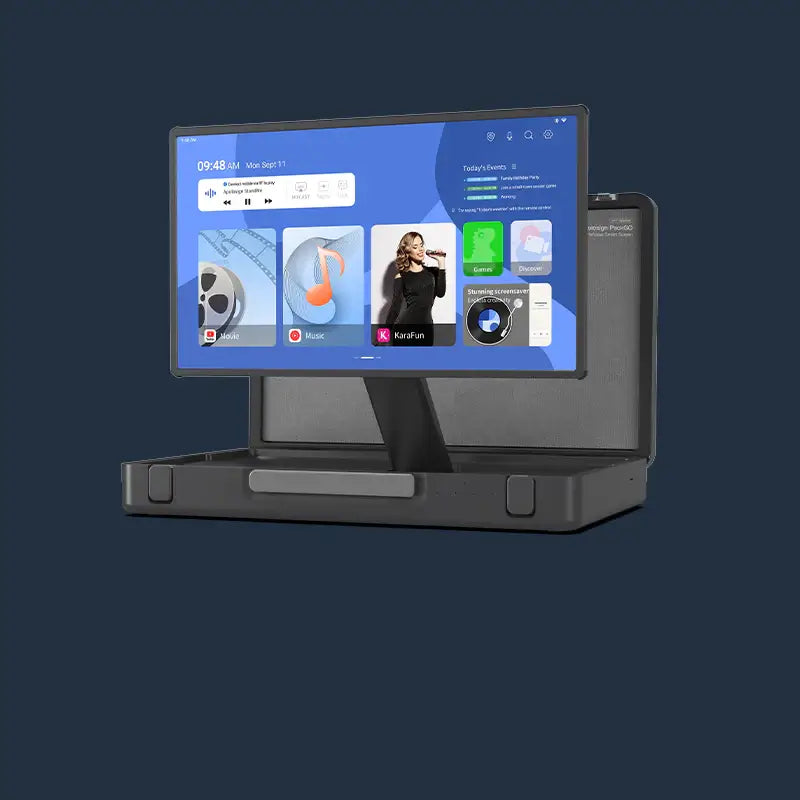
The final hardware decision requires a clear vision of your daily routine. Pick a primary function like fitness tracking, cooking assistance, or outdoor gaming to dictate the screen size and form factor. A briefcase TV might suit frequent travelers. A heavy rolling stand works better for single-story homes. You should align the hardware with your specific lifestyle.
Identify the Main Household Function
Determine the primary reason you want a moveable screen. A fitness enthusiast might want a large display to follow workout videos in the garage. This requires a stable base and a loud internal speaker. A home chef might prioritize a screen that easily wipes clean after kitchen spills.
A remote worker might need a secondary monitor that rolls into the home office during business hours. Identifying a primary use case prevents you from overpaying for unnecessary features. You can prioritize the specifications that actually improve your daily routine. A musician might use the screen to read digital sheet music, requiring excellent vertical rotation and a highly responsive touchscreen.
Factor in Travel and Storage
Think about how often you leave your house. Families who take frequent road trips have different needs than those who stay local. A compact screen that folds flat travels easily in a car trunk. You can carry it to a campsite or a vacation rental.
Conversely, a massive display on a metal stand belongs strictly indoors. You must consider where the device will sit when nobody is looking at it. An oversized screen can quickly clutter a small apartment. Ensure you have enough empty floor space to store the equipment neatly. You do not want a bulky screen blocking your hallway when nobody is watching it.
Upgrade Your Daily Routine With a Flexible Screen
Evaluate your power outlets and Wi-Fi network range to confirm the layout works perfectly. Test the wheel clearance on your flooring before moving a heavy display across rooms. A moveable screen usually adds convenience to household scheduling and entertainment. Measure your available space carefully. Start building a more connected and organized home environment today.
FAQs
Q1: Can a rolling smart screen connect to a cellular hotspot?
Yes, it usually can. Most smart displays treat cellular hotspots exactly like standard home wireless networks. You can link the device to your phone through the standard network settings menu when you travel outside your primary router range.
Q2: Do outdoor viewing sessions require external speakers?
Typically, they do. Built-in speakers often lack the power to cut through open air and background neighborhood noise. Connecting a dedicated wireless speaker provides a significantly clearer audio experience for large outdoor gatherings.
Q3: Will touchscreen functionality work perfectly when the screen gets wet?
No, it generally will not. Water droplets often register as false touches on standard capacitive displays. You should wipe the surface completely dry if a sudden drizzle hits during an outdoor event.
Q4: Can you replace the internal battery on most rolling displays?
Usually, you cannot. Manufacturers tend to seal the power units deep within the base or casing to maintain a slim profile. You will typically need to contact professional support for hardware maintenance if the battery degrades over time.
Q5: Does a portable monitor function properly in freezing temperatures?
No, it rarely does. Liquid crystal displays and internal batteries experience severe performance drops below freezing. You should bring the equipment inside immediately when the weather turns cold to prevent permanent hardware damage.