
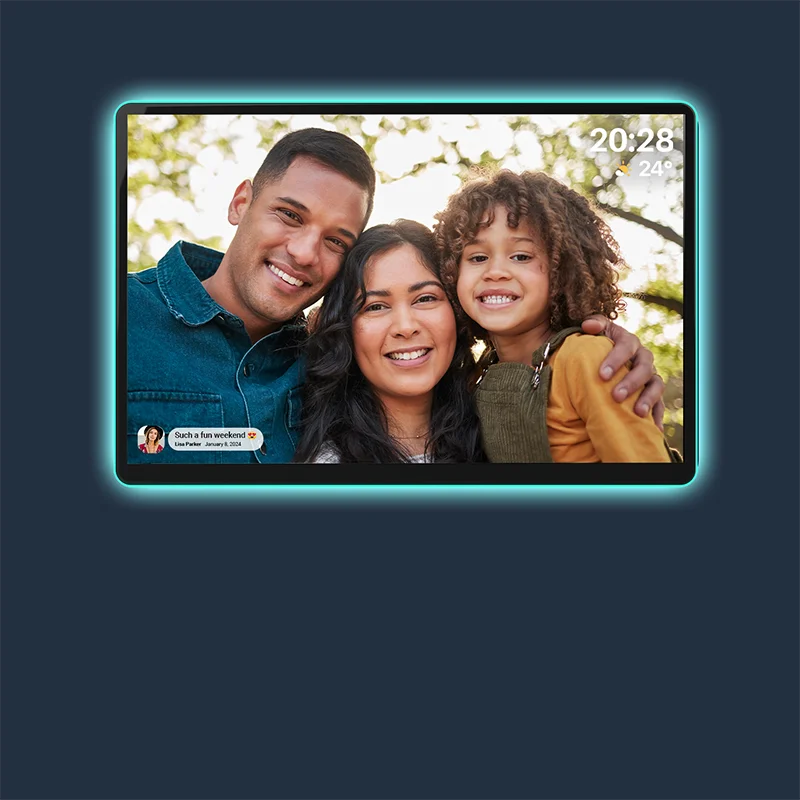
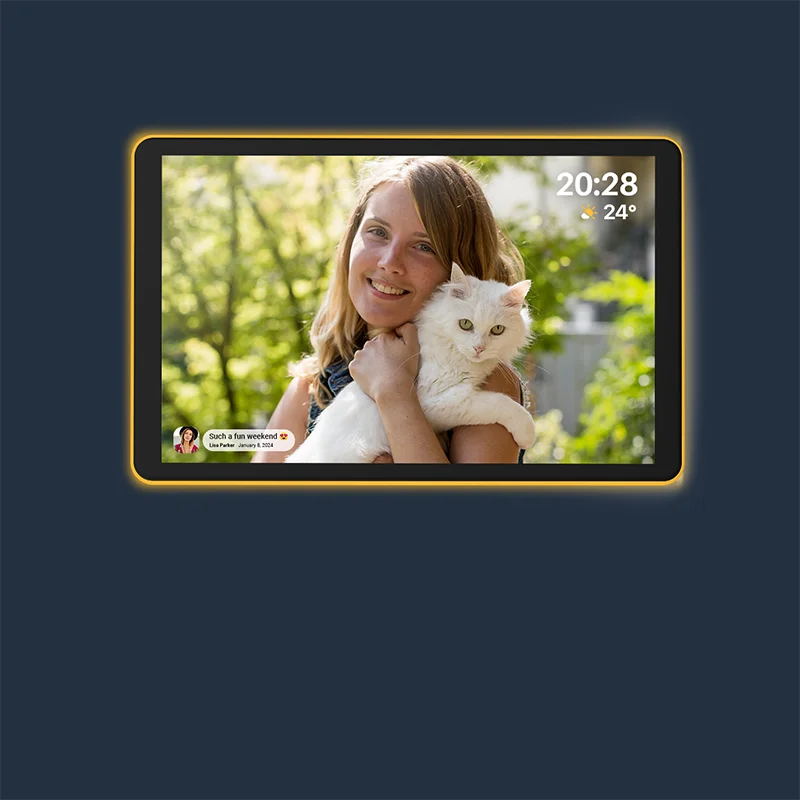
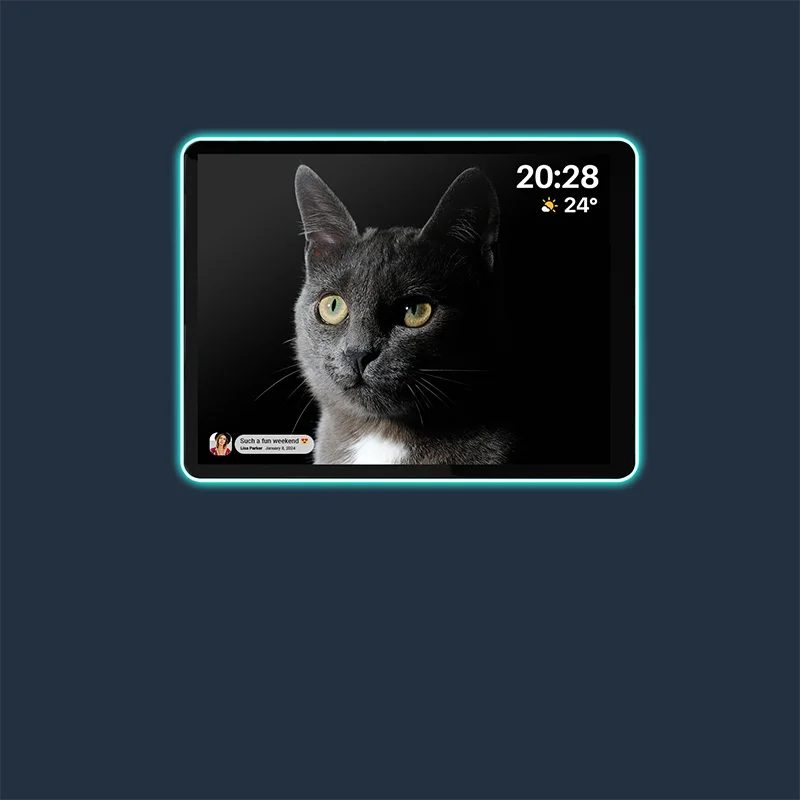


Parenting often feels like herding cats while juggling flaming torches. You constantly nag about dirty socks and unpaid allowances. Paper lists vanish, and dry-erase boards become unreadable smudges. Families need a modern solution. Enter the digital family command center: a massive screen dedicated to organizing chaos. Today we compare two heavyweights, Skylight and Apolosign, to see which smart calendar truly motivates kids to get things done without the monthly fees.
The Psychology of Motivation: Why Big, Visible Digital Charts Work
Why do children ignore the chore list taped to the fridge? It blends into the background. It becomes invisible static. A chore chart only works when it commands attention. When you upgrade to a large digital calendar, the dynamic shifts completely. The screen glows. It changes. It draws the eye.
Dopamine plays a huge role here. Video games hook kids because they offer immediate visual feedback for an action. A digital family calendar taps into that same neurological loop. A child taps a button, a checkmark appears, and they get an instant sense of completion. It transforms a boring task like "taking out the trash" into a micro-achievement.
Furthermore, public accountability drives behavior. A 27-inch screen mounted in the kitchen acts as a scoreboard. Everyone sees who pulled their weight and who slacked off. Siblings naturally compete when the score is right there in high definition. You are not just hanging a calendar on the wall. You are installing a central hub that gamifies household contributions. The static paper list cannot compete with a glowing, interactive interface that demands interaction every time you walk past it to grab a snack.
Skylight’s Approach: The "Star" System (And Its Subscription Cost)
Skylight builds its reputation on simplicity. Their 27-inch device offers a crisp 2560x1440 resolution, providing a beautiful display for your photos and schedules. Their approach to chores involves a proprietary "Star" system.
The concept remains straightforward. Parents assign tasks. Kids complete the tasks. They tap the screen. They earn a star. It serves as a digital gold star sticker chart. For younger children, that tactile feedback of tapping and seeing a reward pop up works wonders. It keeps the loop tight and understandable. The device focuses heavily on being a dedicated appliance rather than a computer, so the interface stays clean and distraction-free.
However, a significant catch exists. The rewards system sits behind a paywall. Skylight creates a distinction between their standard features and their "Plus" features. While you pay nearly six hundred dollars for the hardware, the ability to motivate kids with star-powered incentives requires an ongoing subscription of around $79 per year after the trial.
Parents must weigh simplicity against long-term costs. The device works beautifully out of the box, but that recurring cost for the chore features adds up. You are effectively renting the reward system. If you stop paying, you lose the gamification aspect that makes the family chore chart effective in the first place. The hardware remains lovely, but the software limits your options to what the manufacturer decides to include in their paid tier.

Apolosign’s Advantage: Accessing Top-Rated Chore Apps via Google Play
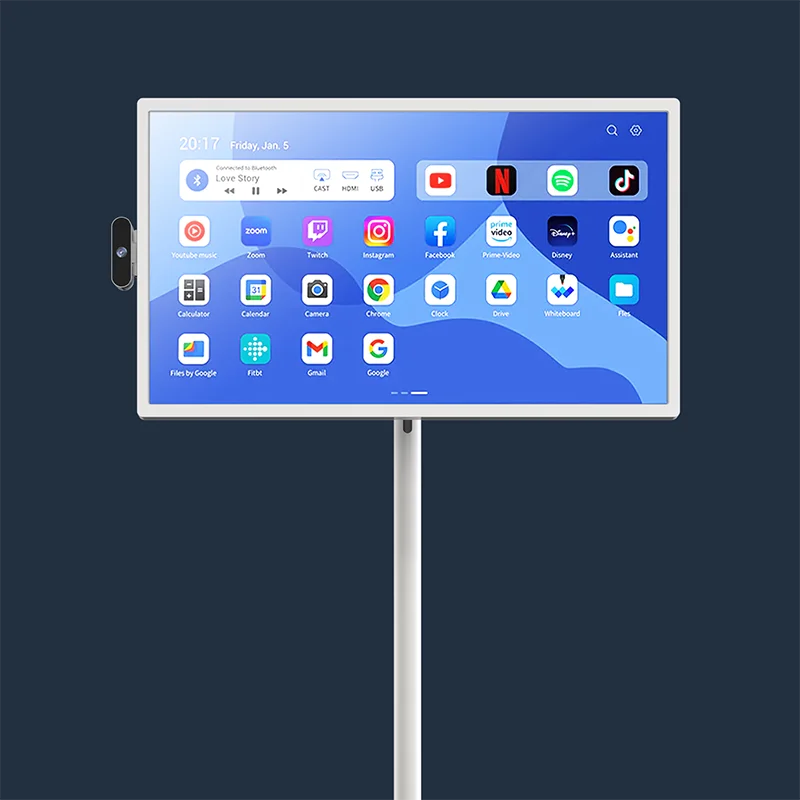
Apolosign takes a fundamentally different path. We built our 27-inch smart calendar on a full Android operating system, complete with EDLA certification. That technical term means it has the Google Play Store pre-installed.

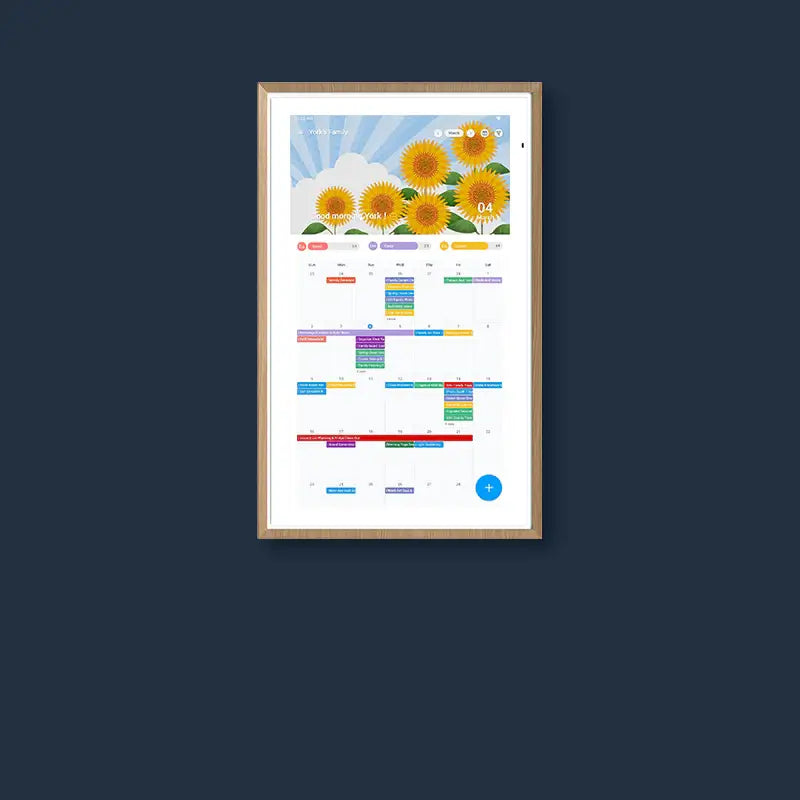
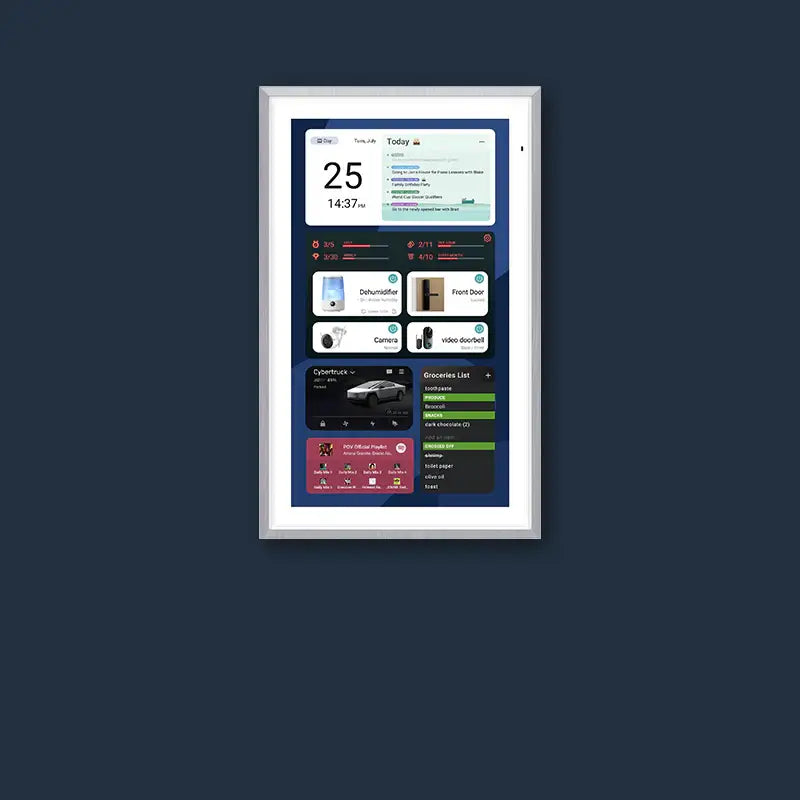
Apolosign stands out for its flexibility and user control. Built on a full Android system, the 27-inch smart calendar comes preloaded with Google Play, allowing families to choose how they manage chores and to-do lists. Whether using the built-in reward points system and task tracking, or extending functionality with downloadable apps, you can customize it to suit your family’s needs. All core features—including rewards and task tracking—are free for life, with no subscription required, giving families true control over their daily routines. With 64GB of storage and an RK3576 octa-core processor, the device runs smoothly while delivering a powerful and intuitive digital family command center experience.
The Apolosign device costs $599.00, almost identical to its competitor, but the core features, including rewards and to-dos, remain free for lifetime use. You own the functionality. The 64GB of storage and RK3576 octa-core processor allow the device to run these third-party applications smoothly.
Freedom defines the user experience here. A digital family command center should adapt to your parenting style, not force you to adapt to its software. If you want a chore chart that ties directly to a debit card for allowance, you can install that app. If you prefer a simple check-off list, you can use Google Tasks or the native system. The power lies in choice. You get the robust hardware of a kiosk with the brain of a high-end Android tablet.
The Visual Impact: Why a 27" Screen Motivates Kids More Than a Tablet
Size matters when establishing authority in a room. You might wonder why you cannot just use an old iPad. A small tablet gets lost under mail. Its battery dies. It ends up in a couch cushion. A 27-inch wall-mounted screen creates a permanent fixture. It signals importance.
When a digital calendar is the size of a movie poster, it becomes the focal point of the home. The Apolosign display, with its anti-glare matte finish, stays visible from across the room. The Skylight also boasts an impressive display. Both devices utilize their sheer scale to prevent the "I didn't see it" excuse.
The visual impact extends to the readability of the family chore chart. On a phone, a list looks like a block of text. On a 27-inch monitor, it looks like a mission board. The tasks appear large and urgent. The rewards look attainable.
Furthermore, these large screens serve as ambient information radiators. You do not need to unlock a device or open an app. The information glows there constantly. The weather, the schedule, and the chore list remain omnipresent. It subtly conditions the family to check the "hub" before asking mom or dad what needs to happen next. It shifts the mental load from the parent's brain to the wall. The device becomes the nagging voice, preserving your relationship with your children.
Age Adaptability: From Toddler Cartoons to Teen Task Management
Children grow, and their motivation triggers change. A system that works for a five-year-old will fail miserably with a fifteen-year-old.
Skylight’s star system targets the younger demographic perfectly. Little kids love visual tokens. However, as they age, stars lose their currency. Teenagers care about cash, car privileges, and screen time. Because Skylight operates as a closed loop, evolving that system requires the company to update its software.
Apolosign shines in this long-term adaptability. For a toddler, you might install a visual routine app with cute cartoons. The 1080p touch screen handles the bright colors and simple interactions easily. As that child becomes a pre-teen, you delete that app and install a more sophisticated planner.
For a high schooler, the digital family calendar needs to integrate with their personal life. Since Apolosign supports full Google ecosystem integration, a teen can see their sports schedule synced directly from their phone. They can use apps that track complex projects or financial goals. The hardware stays on the wall, but the software evolves with the maturity of the user.
You are investing in a piece of hardware that should last five to ten years. The ability to swap out the underlying software engine—the apps—means the device will not become obsolete when your child outgrows "stars." The open Android platform guarantees that the device matures alongside your family.
The "Work Hard, Play Hard" Feature: Streaming Rewards on the Same Screen
Here lies the killer feature that truly separates an Android-based system from a dedicated calendar appliance. Motivation requires a carrot.
Skylight is strictly a productivity tool. It displays photos, calendars, and lists. It does not play movies or games. It stays focused, which some parents might prefer.
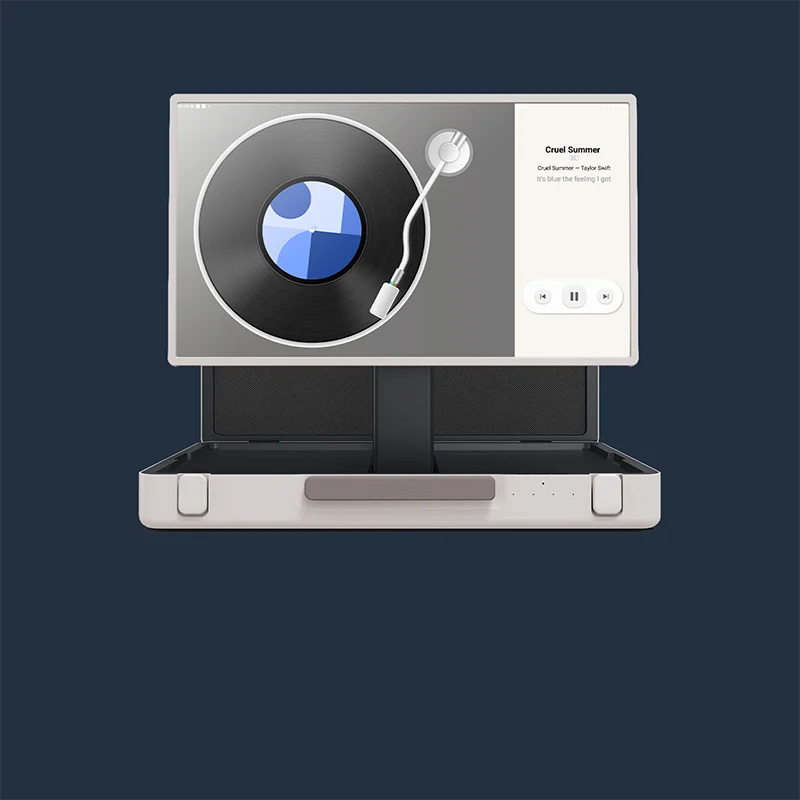
Apolosign, however, acts as a full entertainment unit. It runs Android. It has speakers. It connects to Wi-Fi 6. This allows for a "work hard, play hard" dynamic directly on the device. You can tell your child, "Complete your chore list on the screen, and then you can watch twenty minutes of YouTube right here while I make dinner."
The reward follows the action immediately on the same interface. The smart calendar transforms into a TV. Because it supports streaming apps like Netflix, Disney+, or Spotify, the device becomes a desirable piece of tech for the child. They want to interact with it.
It creates a positive association with the digital family command center. It is not just the "place of work" or the "place of demands." It is also a source of fun. The Quad Mics and 4W speakers mean they can even use it to ask Google Assistant questions or video chat with grandparents as a reward for finishing homework.
Skylight cannot offer this versatility. It remains a static display for information. Apolosign leverages its open operating system to become a multimedia hub. For a busy parent, having a screen in the kitchen that can switch from a chore chart to a recipe video to a cartoon in seconds offers incredible utility.
Why Smart Families Are Choosing Subscription-Free Flexibility
Skylight offers a premium, high-resolution experience, but the recurring cost for chore features limits its long-term value. Apolosign delivers a versatile digital family calendar without monthly fees. The ability to download any app creates a system that grows with your children. For families wanting a true command center that handles organization, entertainment, and rewards in one place, Apolosign proves the superior choice.


