




The best after school routine for busy sports days starts before the final bell rings. Pack one labeled grab-and-go setup for each child, place it at a fixed spot near the door, and set a visible departure time worked backward from the earliest practice or game. That single system removes the last-minute scramble that turns a normal afternoon into a race.
Stage the Whole Grab-and-Go Setup Before the Rush
Every child needs one complete, labeled setup ready before the 4 PM rush begins. This removes the repeated searching for shin guards, water bottles, or forgotten homework folders that eats up your transition window.
Build the Grab-and-Go Gear Set
Pack each child's setup as a single grab-and-go module with these categories:
- Activity gear (uniform, cleats, pads, or equipment specific to that day's practice or game)
- A change of clothes if the child is switching from school clothes
- A refillable water bottle
- One family-approved portable snack
- Any homework or reading material that needs to travel
- A second labeled bag for kids with back-to-back activities, packed separately from the first
Keep the second activity's items in their own module. Mixing two activities into one bag is the most common reason a shin guard or extra jersey goes missing mid-changeover.
Put Every Setup Where Departure Starts
Place each child's setup at the actual departure point, not just anywhere convenient. That might be the mudroom, the entryway, or the trunk of the car if the child is heading straight from school to practice. Attach the child's name and first departure time to the bag so anyone grabbing it, parent, sibling, or carpool driver, can do a two-second glance check before heading out the door. For details on building an after-school routine for busy sports days around this staging habit, our after-school routine ideas walk through the full daily structure.

Work Backward From the Earliest Fixed Departure
Start with the one time you cannot move: the arrival time at the first practice or game. Work backward through travel time, pickup or changing time, and a contingency block to land on a departure time everyone can see.
Set the Departure Anchor
Write the fixed arrival deadline first, since everything else is built from that single number. Subtract travel time, then subtract any pickup, handoff, or changing time your family actually needs. Post the resulting leave-by time somewhere both the child and driver will see it, like a whiteboard by the door or a shared note.
Use One Scheduling Example
The contingency block should reflect your household's real delay pattern, not a borrowed number from another family. Here is one illustrative example built from a fixed 4:00 PM practice arrival.
| Fixed arrival | Known transition needs | Contingency block | Leave-by time |
|---|---|---|---|
| 4:00 PM practice | 15 min drive, 10 min gear change | 10 min buffer | 3:25 PM |
This example is illustrative, not universal. A family with a longer drive or a same-child changeover between two activities will need a different set of numbers plugged into the same formula.
Split Homework Around the Activity Blocks
Homework does not have to wait until after every activity ends. Split it into a first workable block before or between activities, then set a clear point where remaining work moves to the next block.
Use the First Workable Homework Block
Start with the smallest task the child can realistically finish before leaving, not the whole assignment list. Fixed blocks for snack, homework, and activity time, tracked on a planner or calendar, give kids a visible next step instead of a vague sense of everything left to do. Add a short break before the next task when the schedule allows it.
Plan for the Rapid Gear Change
On a same-child changeover day, keep the second activity's gear in its own bag so nothing gets buried under the first activity's items. Use the gap between activities only for work that pauses cleanly, like flashcards or a worksheet, not a task that needs a full sitting. Treating the after-school snack as the handoff into short homework bursts with a clear stop time keeps the evening from turning into one long, unfinished session.

Coordinate Siblings, Caregivers, and Schedule Changes in One View
Multiple kids and multiple drivers need one shared source of truth, not a chain of separate texts. Assign one person to own schedule updates and decide together whether a phone calendar is enough or whether your household needs a shared visible view.
Give Every Caregiver One Update Owner
Pick one person who enters practice changes, new pickup times, or location swaps. Record the driver, pickup time, activity, and location together in the same event or note, not scattered across separate messages. Make sure every caregiver knows exactly where that current schedule lives, whether that is a shared app, a group chat pinned note, or a family calendar.
Choose Phone-Only or a Visible Shared View
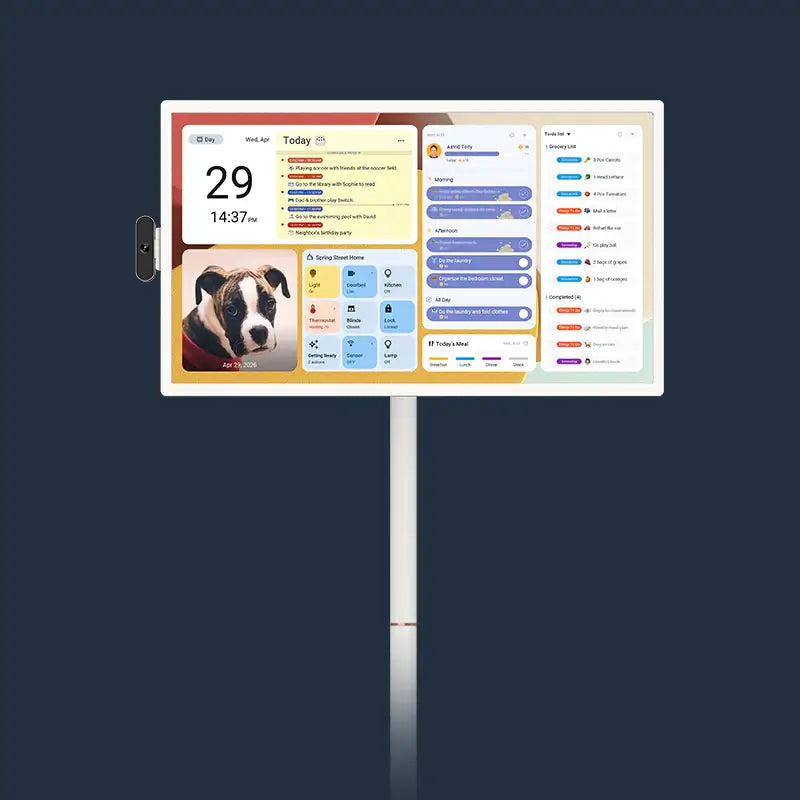
A phone-only calendar is enough when every relevant caregiver reliably checks and updates it without reminders. A shared visible display earns its place when kids or drivers miss notifications, or when the household simply needs one common-room view of who is going where. Our guide on how to share family schedules covers the setup side of that shared view in more detail. A display only helps if someone still keeps it current; it is a visibility layer, not a substitute for having an update owner.
Run the System Once Before You Need It
Try the staging, buffer, and homework routine with the tools you already have before adding any hardware. If the system works with a phone calendar and a sticky note by the door, that is a complete answer.
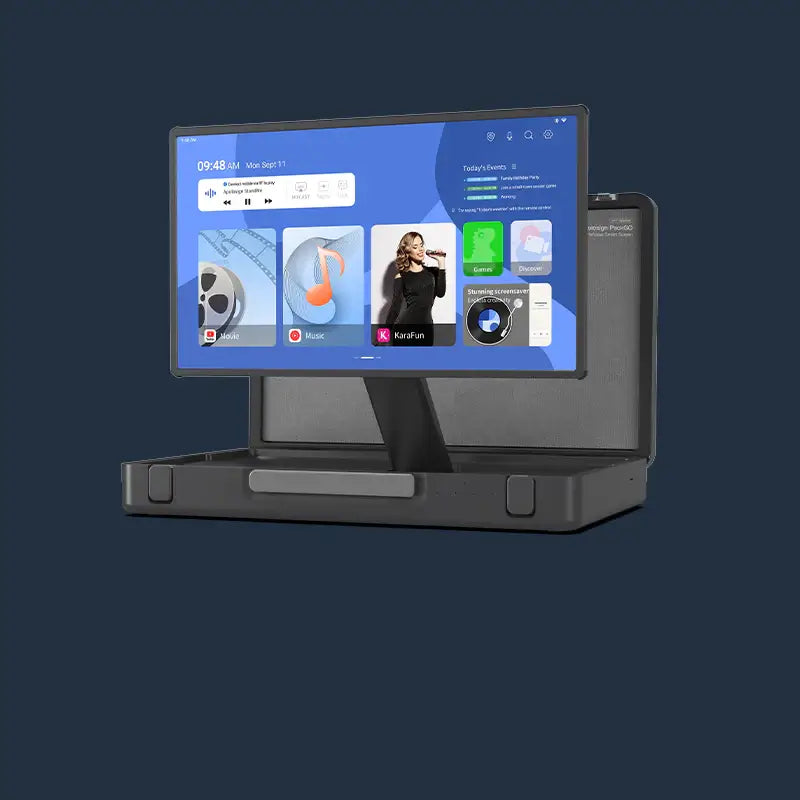
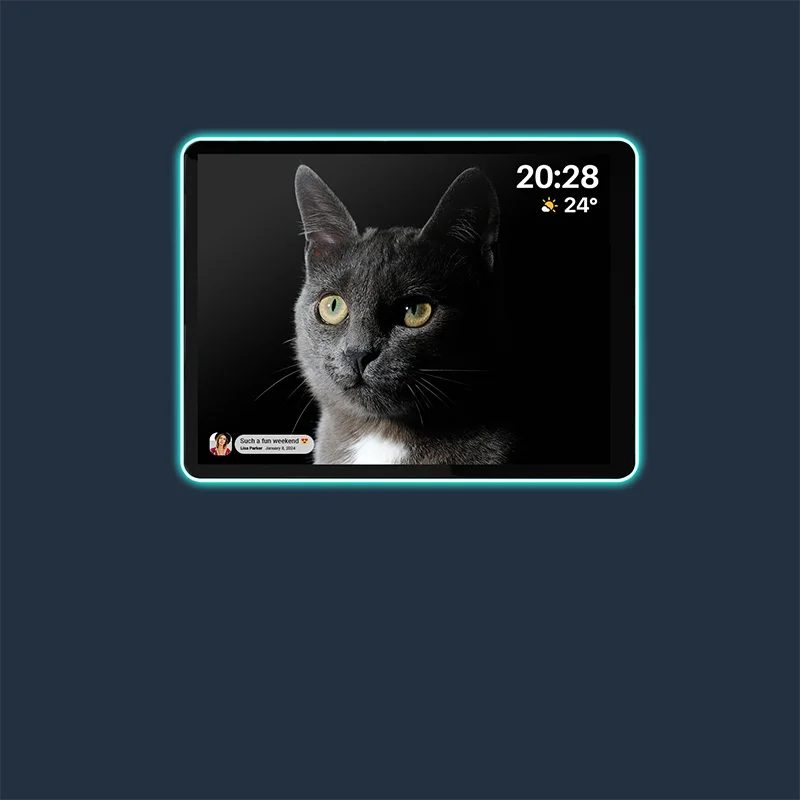
If your household still struggles to see the day's schedule in one place, especially with multiple kids and drivers, a large shared display can close that gap. The Apolosign 27" Digital Calendar syncs Google, Apple, and Outlook calendars, and its Message Board supports reminders and countdowns for departure times. Its routines feature can also turn the staging habit itself, packing the grab-and-go bag, into a tracked task with points. We built it for families that need one shared, always-visible view rather than another app to check. It is a fit only if the missing piece is visibility, not entry or maintenance of the schedule itself.
FAQs
What should the update owner do when a practice time changes at the last minute?
The person who owns schedule updates changes the shared calendar or note right away, posts the new pickup or departure detail in the family's agreed channel, and directly notifies the driver affected by the change. Skipping the direct notification is what usually causes a missed pickup, even when the calendar itself is correct.
How can one child change gear between two activities without unpacking everything?
Pack the second activity into its own labeled bag from the start, kept separate from the first activity's setup. Place it where the child can grab it directly, in the car or at the practice location, without digging through or unpacking the first bag.
What if homework is still unfinished when it is time to leave?
Stop at the point you planned in advance rather than letting the child rush to finish everything. Write down the next smallest task and slot it into the next available homework block, whether that is between activities or after dinner.
How do we keep a shared sports calendar from becoming another chore?
Keep one person responsible for entering changes while everyone else simply views the schedule. If updates keep slipping or the calendar falls out of date, simplify what you're tracking rather than adding another app or device on top of it.