





Most afternoons go smoother with a simple four-stage flow: an arrival reset, a tactile snack paired with decompression, a visible first task, and short work-plus-reset cycles until the next planned activity. This after school routine for ADHD kids is not a strict timetable. It is a repeatable shape you can shorten, stretch, or swap out on a hard day.
The goal is fewer spoken reminders and fewer surprise demands. Once your child knows what comes next, you can adjust the details without rebuilding the whole afternoon.
The Four-Stage After-School Flow
Here is the full sequence, stage by stage, before we dig into how to set up each one at home.
- Arrival reset: Your child walks in, puts backpack and shoes in one spot, and gets a drink or quiet greeting instead of a string of questions.
- Tactile snack and decompression: A ready snack plus two calm or movement choices, bounded by one visible next step.
- Visual task launch: One clearly shown first action for homework, a chore, or the next planned activity.
- Short work-plus-reset cycles: Work toward a defined stopping point, then pause or move on to what's next.
Home-based supports work best when they stay flexible and adjusted to your household, as outlined in CDC guidance on ADHD routines. If you want a broader look at building this kind of after-school system from scratch, our after-school routine tips walk through the setup in more depth.
Stage 1: Create a Predictable Arrival Reset
When setting up an after-school routine for ADHD kids, the first few minutes home should lower demand, not add to it. Skip the immediate homework check-in and let your child land first.
Set up one landing spot near the door for backpack, shoes, and school papers so nothing gets dropped in five different rooms. Greet your child with a short phrase instead of a list of questions, something like "you're home, put your stuff down, grab water." A simple cue like arrive, put away, choose, then next gives your child a script to follow without you repeating instructions.
Keep this stage bounded. It is a bridge into decompression, not an open-ended free period. Predictable routines and limited choices make the transition more manageable, and the plan should stay realistic rather than piling on extra steps your child has to remember.

Stage 2: Pair Decompression With a Tactile Snack
Pairing a ready snack with two decompression choices keeps this stage calm without letting the whole afternoon drift.
Prep the snack ahead of time so hunger does not turn into its own meltdown trigger. If your child already likes crunchy, cold, or chewy textures, lean into those instead of introducing something new during a stressful transition. Offer two workable options, for example five minutes of quiet drawing or five minutes of trampoline time, so your child picks from a small set instead of negotiating from scratch.
End the stage with a visible next step, like a picture card or a timer, rather than a verbal countdown you will have to repeat. If a chosen snack or activity seems to wind your child up more than settle them, swap it out. Limited choices and realistic expectations matter more than sticking to the original plan.
Stage 3: Make the First Task Visible
Replace "finish your homework" with one task your child can actually see and start. That single shift removes most of the guesswork that leads to stalling.
Turn a Large Assignment Into a Launch Point
Name one observable action, such as "open the math worksheet" or "write the first sentence," instead of describing the whole assignment. Keep supplies and the visual step card in the same spot so your child is not hunting for a pencil mid-task. For a child who is not ready for written directions, a picture or a two-word phrase works better than a full sentence.
Give the Task a Stopping Point
Decide what "enough" looks like before your child sits down, whether that is five math problems or one paragraph. A visible timer or a silent clock can help your child see work time and break time as separate, concrete chunks rather than an open-ended demand. Leave the next step posted somewhere visible so restarting after a break does not require a new explanation from you.
An organized homework space with distractions cleared away, assignments broken into smaller pieces, and a visible timer aligns with CHADD homework strategies.
Stage 4: Use Short Work and Reset Cycles
Keep each work block short enough that your child can see the finish line, then build in a real reset before the next push.
A pattern many families start with is roughly 5 to 10 minutes of work followed by a short movement, water, or snack break, then a return to the same visible next step, adjusted based on how your child actually responds. Do not treat that window as a fixed rule. Some kids need shorter bursts, while others can stretch longer once they are in a groove.
End every reset with the next visible action already posted, not a fresh reminder from you. On a homework-free afternoon, run the same cycle for a chore, a practice session, or getting ready for an activity. The structure matters more than whether homework is actually on the table that day.

Visual Cues That Reduce Verbal Reminders
Whether a phone calendar is enough or your family needs a shared display comes down to one question: does everyone actually see the schedule at the moment it matters?
When a Phone Calendar Is Enough
If your child or you already check a phone calendar right before a task starts, keep it. Adding a new device on top of a system that is already working just gives you one more thing to maintain. If the real problem is starting the task rather than seeing the schedule, a simple written or picture cue at the workspace solves more than a new gadget would.
When a Shared Display Adds Value
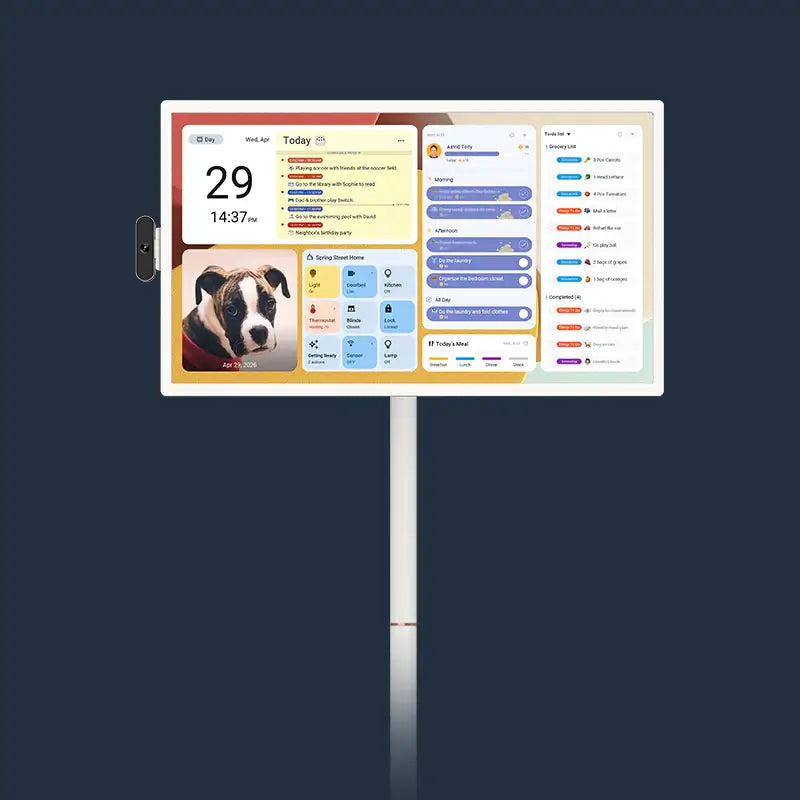
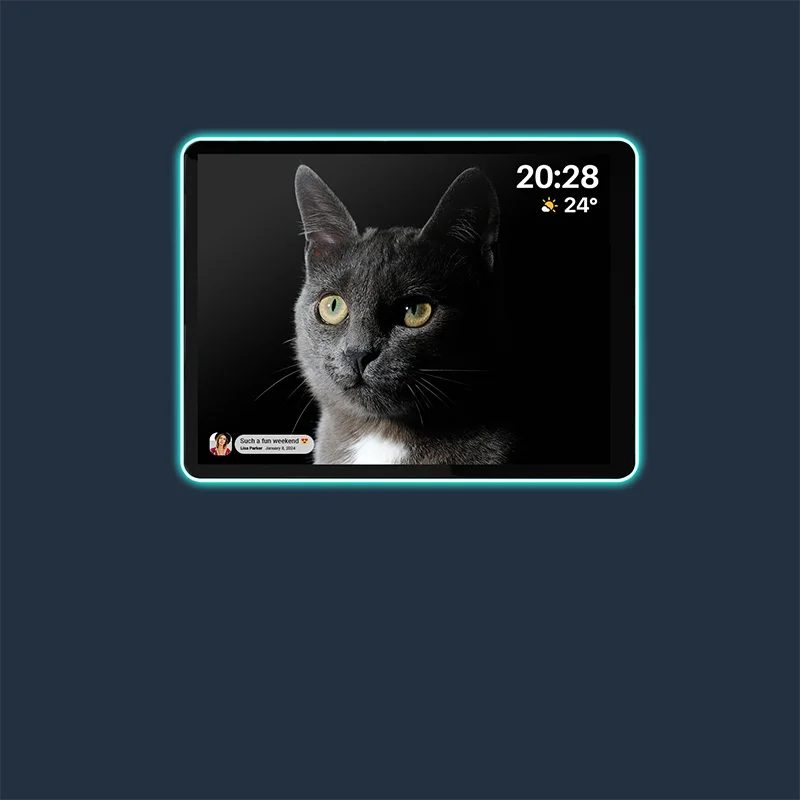
A shared display can help when the schedule needs to be visible to more than one person in a common space, like a kitchen or entryway, and phone alerts keep getting missed. Our 27-inch digital calendar syncs family schedules from Apple, Google, and Outlook calendars, turns routines into trackable steps with rewards, and posts reminders and countdowns on its Message Board. Those are scheduling and reminder functions, not a fix for the underlying transition itself.
Whichever option you choose, someone still has to enter and update the information. A display only helps if your family will keep the schedule current; otherwise it is just a bigger screen showing outdated plans. For more on when room-level visibility actually beats a phone-only setup, see our visual family calendar guide.
Adjust the Flow for Energy, Age, and Homework Load
The same four stages work across different afternoons, but which details you use should shift with your child's state and the day's demands.
If the Child Is Overstimulated or Restless
An overstimulated child usually needs a longer quiet stretch and fewer questions before you show the next step. A restless child often does better with a short movement option first, then a return to the same visible launch cue you would use any other day. If either approach seems to make things harder instead of better, simplify it or swap in something else rather than pushing through the original plan.
If Age or Reading Level Changes the Cue
Younger kids or non-readers do better with pictures, objects, or one short phrase at a time instead of written instructions. Older kids can handle a written task card and even some say over which of two tasks comes first. Shift ownership gradually as your child gets more comfortable, rather than pulling every visual support away at once.
If Homework Load Changes
On a homework-heavy day, show only the smallest first assignment step and a clear stopping point before your child starts. On a homework-free day, keep the reset and snack stages, then point to a chore, an activity, or family time instead of schoolwork. The routine should not depend on homework being on the schedule at all.
Individualized supports and smaller steps matter more than a single script applied the same way every day, and keeping the overall plan realistic rather than overwhelming makes it easier to sustain.

Choose the Smallest Routine That Gets the Next Step Started
The right routine is whichever version your child can actually begin and repeat, not the most complicated plan on paper. Whether your child needs quiet recovery or a brief movement break, both paths land on the same visible next step.
Stick with a phone calendar if your family already checks it reliably. Move to a shared display only if room-level visibility is the actual gap and someone will keep it updated. Tonight, try the smallest version: one landing spot, one snack and decompression choice, one visible first task, and one stopping point. If the plan keeps increasing distress or your child's day-to-day functioning stays affected, simplify further and loop in your child's school or pediatric provider for individualized guidance.
If a shared, always-visible schedule sounds like the missing piece for your household, our Apolosign 27" 4K Digital Calendar is worth a look for families ready to put routines, reminders, and the family calendar in one shared spot.
FAQs
What if my child follows the routine for a few days and then stops?
That is normal, not failure. Look at which stage is causing the most friction and shorten or drop it rather than trying to enforce every step perfectly. Keep the first visible action in place, then reintroduce any dropped pieces one at a time instead of all at once.
How should we handle homework that is missing, unclear, or much larger than expected?
Pause the full workload conversation and find the smallest known first step, even if it is just opening the assignment portal. Set a stopping point for that first step alone. If the assignment itself is genuinely unclear, use your school's normal communication channel rather than guessing at requirements.
Can siblings use one after-school routine if their needs are different?
Yes. Siblings can share the same visible four-stage order while having different first tasks, snacks, or decompression choices within it. Give each child one specific responsibility, like choosing their own snack or starting their own visual cue, so you are not repeating instructions to both kids at once.