





Screens go on only after a short, agreed list of offline tasks is done, and they go off at a posted time or event, not whenever the arguing stops. That single rule, repeated the same way every school day, is what makes an after-school screen time rules routine predictable instead of a daily negotiation. The exact tasks and timing are yours to set based on your family's schedule, not a number copied from somewhere else.
Start With One Repeatable After-School Rule
Before adding any tools or exceptions, the family needs one short rule everyone can say out loud.
The Smallest Rule to Post
The rule has three parts: screens begin only after the agreed offline criteria are complete, screens end at the posted time or event, and the next activity is named before the screen even turns on. A child who can repeat this sentence back to you already understands the boundary better than one who's waiting for you to decide each day.
Keep the Sequence Easy to Repeat
Use the same order on ordinary school days so the pattern becomes automatic:
- Arrive home, drop off backpack, have a snack.
- Finish the day's must-do offline tasks.
- Screen time starts, runs for the posted stretch, then stops.
Letting your child see what's finished and what's next removes most of the "just five more minutes" back-and-forth. Every family plan works best when it fits the household's actual routines, and a good family media plan is one you build together and can name off the top of your head. If you want a fuller walkthrough of arrival-to-bedtime pacing, our after-school routine guide breaks down the whole afternoon.

Choose Offline Tasks That Protect the Rest of the Evening
Pick your must-do tasks first, then decide what's optional so the gate to screen time doesn't get crowded with everything on the to-do list.
Choose Must-Do Tasks First
Keep the list short. Two or three items that matter most that day are enough:
- Must-do: homework or reading log, one chore, a few minutes of movement.
- Optional (family's choice): instrument practice, extra reading, tidying a room beyond the basics.
Optional items can stay outside the screen-access gate unless your family decides otherwise. Piling on more requirements just invites stalling and arguments over what "counts."
Leave Room for a Real Transition
A snack or a few minutes of downtime can be part of the routine itself, not a delay before it starts. The real test of the routine isn't a specific number of minutes; it's whether screen use is crowding out homework, meals, sleep, movement, hobbies, or family time. Screen use during the 5 C's for school-age children framework is treated as fine as long as it isn't pushing those other things out. If chores keep sliding, turning them into visible check-off tasks can settle the "is it actually done" argument before it starts.
Make the Boundary Visible From Start to Stop
A rule that lives only in your head will get renegotiated every afternoon, so the start and stop points need to be something the child can see.
Post the Start and Stop Cues
Mark the start with something concrete: a completed task list, a clock time, or a calendar entry. Mark the stop the same way, using a countdown, a timer, or a posted end event like "when the timer chimes" or "before dinner starts." Predictable timing works because kids like knowing what to expect, and putting the routine on a daily schedule or calendar gives them something to point to besides your word.
Choose the Simplest Visible Tool
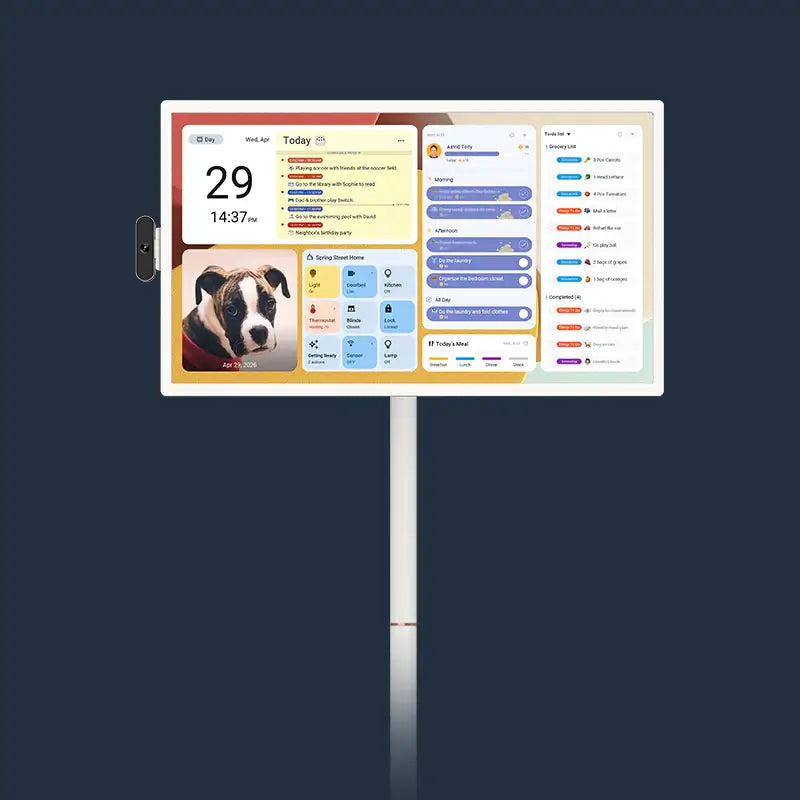
A physical or digital timer fits a child who needs "how much time is left" made concrete in front of them. A shared household schedule fits a family where more than one person needs to see the same plan at the same time. Neither tool guarantees a smooth stop by itself, but both cut down on how often you have to repeat yourself.

Match the Routine to the Household Scene
Different households hit different friction points, so the right routine pattern depends on your specific schedule and how your kids handle transitions.
| Household scene | Best routine pattern | Start boundary | Visible tracking setup |
|---|---|---|---|
| Homework-first weekday | Firm completion gate before any leisure screen | Homework and one chore finished | Checklist plus a fixed screen window |
| Movement-and-chores focus | Short must-do task list, tasks vary by day | All listed tasks marked done | Simple check-off board |
| Variable pickup or work schedule | Criteria-based start, not a fixed clock time | Tasks complete, whenever that happens | Countdown timer once screens start |
| Transition-sensitive child | Same sequence plus adult-supported handoff | Tasks complete, adult confirms | Visible countdown with a named next activity |
A variable pickup time doesn't mean the routine has to be unpredictable. Anchoring screen access to "tasks done" instead of "3:45 sharp" keeps the sequence recognizable even when the clock changes daily.
End Screen Time With a Planned Handoff
Ending screen time goes smoother when the next step is already decided, not when it becomes a fresh argument every time the timer runs out.
When the Timer Ends
Name the next activity and guide your child toward it: dinner prep, a bath, reading time, whatever comes next in your evening. Point to the boundary you already agreed on instead of opening a new negotiation about extra minutes. A supportive, low-drama transition works better than a debate about fairness.
When the Routine Breaks
Some days it just falls apart. Don't rewrite the whole rule in the heat of the moment. Note what went wrong, and if the same friction keeps repeating, make one adjustment the next time you sit down to plan, not mid-argument.
Use a Persistent Calendar When Phone Reminders Are Not Visible Enough
Introduce a shared display only once the family routine itself is already working; the tool supports the plan, it doesn't replace it.
What a Persistent Display Adds
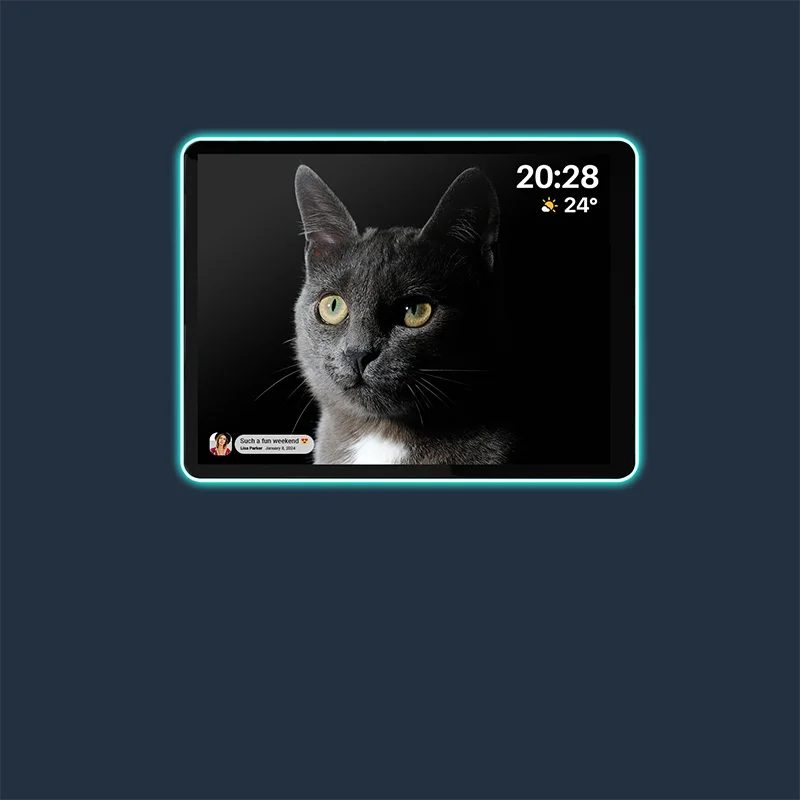
Our Apolosign 27" 4K Digital Calendar lists family calendar auto-sync with Apple, Google, and Outlook, a routines feature that turns chores into points and rewards, and a message board for posting reminders and countdowns on a 27-inch touch display. Placed in a kitchen or hallway, that kind of setup keeps the after-school sequence visible to every family member at once, not just the parent holding the phone.

When a Simpler Tool Is Enough
A phone reminder or a paper schedule taped to the fridge may be all you need if one adult already runs the routine reliably and everyone in the house sees it easily. We don't recommend buying a calendar expecting it to enforce device access on its own; it's a visibility layer, not a substitute for the family agreement or your device settings.
Review the Routine When the Week Changes
An after-school screen time routine should flex when your week does, but it shouldn't get rebuilt from scratch every time something shifts.
Use Clear Review Triggers
Review the routine after a schedule change, a new activity, or when the same negotiation keeps happening. Repeated arguments over one specific step are usually a sign that step is unclear or placed wrong, not that the whole plan has failed.
Change One Part at a Time
Keep the recognizable sequence and change just one piece: the task list, the start cue, or the end event. Talk the change through with your child so the plan still feels shared rather than imposed, and revisit it again the next time something in your week shifts.
Choose the Best-Fit Routine and Take the Next Step
If your household needs a hard line before leisure screens, start with a firm homework-first gate: tasks done, then screens, then a fixed stop. If your schedule shifts day to day, use a flexible sequence anchored to completed tasks with a visible duration instead of a clock time.
Either way, the first move is the same: pick two or three offline criteria, post a visible start and stop cue, and run it exactly as written for one ordinary school week before changing anything. If your main friction is that nobody in the house can see the same schedule at the same time, our digital wall calendar is worth a look for keeping that routine visible in a shared space.
FAQs
What if homework requires a computer or tablet?
Separate assigned schoolwork from leisure screen use on the same device. Define a clear point where homework ends, such as closing the assignment or submitting it, before recreational access to games, videos, or social apps begins.
How can siblings share one after-school screen rule?
Give each child their own offline checklist, since ages and workloads differ, but keep one shared household screen start and stop boundary posted in a common space. One child finishing their tasks shouldn't automatically unlock screen access for a sibling who hasn't.
What should we do when the routine falls apart for one day?
Pick the routine back up at the next natural transition, like the next school day, instead of adding a punishment or rewriting the whole plan on the spot. If the same breakdown happens repeatedly, make one specific adjustment the next time you review the routine.