






Kids can start helping with pet care at many different ages, but there is no single age that unlocks every task. A 6-year-old might be ready to fill a food dish, while a 10-year-old still isn't ready to hold a leash for a strong, unpredictable dog. The real decision comes down to three things: the animal's size and behavior, the physical or hygiene demands of the task, and how consistently the child can follow instructions.
This guide breaks feeding, walking, and cleanup into three practical participation levels: helping alongside an adult, doing the task with an adult check, and adult-led work that isn't a child's job yet. Use it as a starting map, then match it to your specific pet and child.
What can kids do with pets at different ages?
Age gives you a starting point, not a green light. The table below shows conditional examples, not fixed rules, for feeding, walking, and cleanup.
| Age example | Feeding | Walking | Cleanup | Adult role | Animal-specific limits |
|---|---|---|---|---|---|
| Under 5 | Watches or hands over food with direct supervision | Not yet | Not yet | Stays within arm's reach | No handling of reptiles, amphibians, or their habitats |
| 5 to 7 | May fill a pet's food dish once an adult sets the routine | Not yet, unless on a very short, controlled leash with an adult holding on | Helps put away toys and bowls | Confirms the bowl is filled correctly and checks for food guarding | Avoid unsupervised contact with any animal that guards food |
| 8 to 10 | Handles feeding independently after a trial period | May try a short walk with a calm, manageable dog | Helps with non-waste cleanup; feces and litter stay adult-led | Sets the handoff rule and checks that walks go as planned | Reptile and amphibian habitat cleaning stays adult-led |
| Older child or teen | Manages feeding routine | Can walk dogs that are leash-trained and size-appropriate | Can handle litter and waste with hygiene steps in place | Spot-checks periodically, remains responsible for the pet's welfare | Still needs adult judgment for aggressive, fearful, or unfamiliar animals |
According to HealthyChildren.org, ages 5 to 7 may fill a pet's food dish, and the site suggests introducing one new pet task at a time with a clear routine. Treat that as a useful starting example for your household, not a rule that applies to every animal or every child.
Ages 5 to 7: start with feeding help
Filling a food dish works well as a first pet chore once an adult has set up the amount, location, and timing. Stay involved if the animal crowds the bowl, guards food, or needs a special diet, since those situations call for closer adult attention regardless of the child's age.
Ages 8 to 10: consider a manageable walk
A short walk can be a reasonable next step, but only after an adult judges the dog's size, leash behavior, and the route as manageable. The age itself doesn't make the walk safe; the dog's temperament and the setting do. Build in a clear handoff point so the child knows exactly when to return control to an adult.

Cleanup stays task-specific
Toy pickup, bowl washing, and bedding changes are different jobs than scooping litter or picking up feces. A younger child can help with the non-waste side once they're reliable, while waste and reptile habitat cleaning need a stronger adult boundary no matter the child's age. For more ideas on keeping these tasks consistent, see our guide on fun chore routines.

Match the chore to the child, pet, and setting
The right choice depends less on the calendar and more on the animal's behavior, the task's physical demands, and the setting. Three common household scenes show how this plays out.
Morning feeding and water
Let the child place or fill supplies only after you've demonstrated the amount and location a few times. Keep checking in if the pet crowds the bowl, needs a measured diet, or tends to knock things over, since those behaviors call for a steadier adult presence rather than a fixed age cutoff.
After-school dog walking
Handle the first few walks yourself so you can judge leash behavior, strength, escape risk, footing, and how the dog reacts to other animals or people. The AVMA dog walking guidance notes that owners should assess a dog's leash training, health, and body language before a walk, along with weather and footing conditions. Hand the leash to a child only once the child can physically control the dog and knows exactly when to return it to you. If your family's after-school hours are already tight, see our tips on building an after-school routine that leaves room for this kind of task.
Indoor, yard, and habitat cleanup
Non-waste jobs, like gathering toys, refilling water, or wiping bowls, can move to a child once they show they can do it reliably. Feces, litter boxes, and reptile or amphibian habitats need a different standard. The CDC reptile safety guidance advises that children under 5 should not handle reptiles or amphibians or their environments, since tank water, food, and equipment can carry contamination. That boundary doesn't automatically transfer to dogs or cats, but it does mean species matters as much as age when you're assigning cleanup.
Set adult supervision and handoff rules
Assigning a chore never transfers ownership of the pet. An adult stays responsible for making sure the animal is fed, exercised, cleaned up after, and healthy, even on days a child handles part of the routine.
Keep the adult responsible for the animal
The AVMA pet ownership guidance is direct about this: an adult remains responsible for the pet's daily care, and families need someone willing and available to supervise that care even when children help. If several family members share tasks, pick one adult as the final check for each pet, so nothing falls through the cracks on a busy week.
Hygiene rules apply at every age. The CDC animal hygiene rules note that children younger than 5 need supervision around animals, and that hands should be washed right after contact with any animal or its environment. Build handwashing into the end of the chore, not as an optional extra step.
Use one simple handoff rule
Give your child one instruction they can recognize immediately, rather than a long list of warnings to remember in the moment.
- If the dog pulls, bolts, or won't calm down: hand the leash back to an adult right away.
- If the animal shows aggression or intense fear: stop handling it and call an adult over.
- If the child touches feces, litter, or habitat materials: stop, wash hands with soap and water, and let an adult finish the cleanup.
- If weather, footing, or the route feels unsafe: turn back or wait for an adult.
- If the animal seems sick or injured: stop the task and get an adult immediately.
A chore only becomes a child's independent job once they can complete it consistently under this kind of adult check, not the moment they reach a particular birthday.
Turn one pet chore into a reliable family routine
Pick one pet, one task, and one child rather than handing over the whole pet-care list at once. A focused first trial tells you far more than jumping straight to a full routine.
Run a first trial before assigning ownership
- Identify the exact pet and task, such as filling the dog's water bowl each morning.
- Demonstrate the task once, then supervise the child doing it themselves.
- Set the adult check and the handoff rule in plain words before the next scheduled time.
- Review how it went after a few days: was the amount right, was the timing consistent, did the child know when to ask for help?
If the trial goes well, the chore can become a regular part of the routine. If it doesn't, scale it back or hand it to an adult for now and try again later.
Make the routine visible without replacing the check
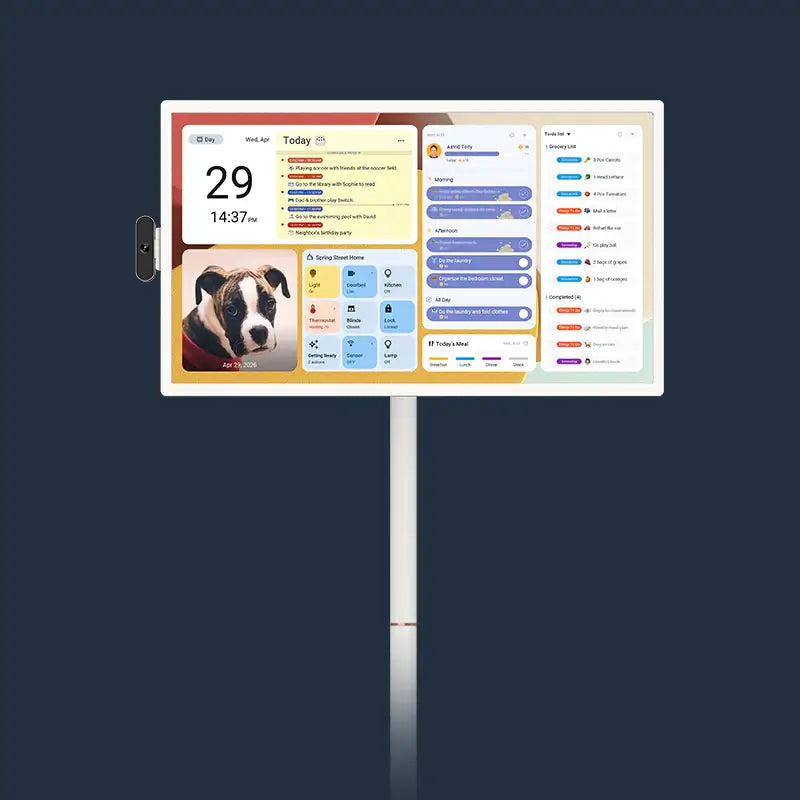
A shared routine helps everyone remember what's expected and when, but a visible reminder is not the same as confirming the pet was actually fed, walked, or cleaned up after. If your family wants a shared display for pet-care tasks alongside the rest of the schedule, our Apolosign 15.6-inch Digital Calendar syncs with Google, Apple, and Outlook calendars and turns routines into points and reminders on a Message Board. Think of it as a way to make the plan visible, not as a substitute for the adult check described above. You can browse other digital calendar options if you want to compare sizes and features, and if your existing chore chart has stopped working, our post on how to reset a chore system walks through getting it back on track.
FAQs
Can a 5-year-old feed a family pet?
A 5-year-old can often start by filling a pet's food dish once an adult has set the routine and checks the result each time. Stay closely involved if the animal guards food or needs a specific diet, since that changes the assignment more than the child's age does.
When can a child walk the family dog?
There's no set age for this. A child can hold the leash once an adult has judged the dog as leash-trained, physically manageable for that child's strength, and calm in the walking setting, with a clear rule for handing the leash back if anything changes.
Should children clean litter or pet waste?
Non-waste cleanup, like picking up toys or washing bowls, can become a child's job earlier. Litter boxes and feces are better kept adult-led, and handwashing with soap and water should follow any contact with animal waste or environments.
Are reptiles and amphibians different?
Yes. Children younger than 5 should not handle reptiles, amphibians, or their tanks and equipment, since these can carry contamination that isn't a concern with typical dog and cat chores. Older children still need a carefully controlled routine for these habitats.