




A backup school pickup plan works when one written rule says what triggers it, when the backup takes over, and which adult has already said yes to the pickup. Your family picks the trigger and the cutoff time. Your child's school still decides who it can release your child to, so the backup adult has to fit that process too.
Write the Trigger, Cutoff, and Accepted Owner into One Rule
Your backup pickup plan needs all three parts in a single rule so nobody has to guess. Fill in this short template with your caregivers.
| Part of the rule | What to write | Illustrative example |
|---|---|---|
| Trigger | The event that starts the backup | Dad is stuck at work or on the road |
| Cutoff | The time or moment the family decides | 2:30 p.m., or when Dad texts "can't make it" |
| Accepted owner | The adult who said yes to this pickup | Aunt Maria, who replied "Yes, I'm going" |
Put together, the rule reads: "If Dad can't leave work by 2:30 p.m., Aunt Maria picks up." A general "call me if you ever need help" is not an owner. Neither is a text that nobody answered.
For a Recurring Conflict
Assign the regular slot to one named adult ahead of time. For example, if Mom works late every Tuesday, write "Grandpa picks up every Tuesday." This stops the weekly back-and-forth, and it keeps the regular parent from assuming someone else has it covered. Then add one line about what would hand that slot to someone else, such as "If Grandpa is sick, the same-day rule applies." If the conflict comes from a two-home schedule, the fixed anchors in our guide to school mornings across two houses work the same way for afternoons.
For an Unexpected Disruption
Name a disruption anyone can see, like a meeting running over, car trouble, or a sick sibling at home. Then pick a cutoff that still gives the backup enough time to reach school before dismissal ends. Base it on the backup's real travel time, not a number from someone else's plan. Last, name the adult who has already agreed to cover this kind of day. The result: at the cutoff, the decision is already made, so nobody waits and hopes the regular adult will make it.
Name an Accepting Backup and a Fallback
A backup pickup plan with only one name falls apart the day that person can't go. Write down who comes next and who makes that call.
- First backup: the adult's name, phone number, and the days or situations they agreed to cover.
- Fallback: a second adult who agreed to step in if the first backup says no or doesn't reply.
- Fallback caller: one caregiver whose job is to contact the fallback, such as "Mom calls Uncle Ray."
Ask each person directly, for example, "Can you be our Tuesday backup?" Then wait for a clear yes before you write their name in. Naming one fallback caller matters because when everyone assumes someone else called, nobody calls.
Until an adult has said yes, the pickup is not covered. Keep going down the list. If nobody accepts, line up another adult who will, and don't count on a vague offer.
Make the Handoff Visible to Every Caregiver
A handoff counts only when everyone involved can see who is going. Agree on three messages ahead of time.

- Activation message: the regular pickup adult sends it to one agreed place, such as the family group text. Example: "Backup needed today. Can you get Sam at 3:15?"
- Acceptance reply: agree on what a yes looks like, such as "Yes, I've got Sam." A "maybe," a read receipt, an emoji you never agreed on, or silence does not count.
- Final owner message: the person who sent the activation posts "Maria has pickup today" and takes care of any notice the school needs.
Use a channel your caregivers actually check. If one grandparent never opens the group chat, the plan should say "call Grandma" instead. Some families also put the change on a shared calendar. On Apple devices, you can share an iPhone calendar with family so the update shows up on everyone's phone. The result is one visible answer to "who's going?" instead of three people driving to school or none.
Use the School's Own Pickup Process
Your backup pickup plan decides who goes, but the school decides whether staff can release your child to that person. Rules differ from school to school and even by how your child gets home.
Here is one local example. Columbia Elementary's pickup authorization instructions in Fairfax County, Virginia, ask families to list pickup adults on the Emergency Care Form and update it during the year as needed. That school says it cannot release a child to a neighbor or relative who isn't listed on the form.
Timing rules can matter too. In Maryland, Prince George's County Public Schools' Administrative Procedure 5090 requires written notice and permission for a temporary dismissal change no later than the morning of the day of the change. For an emergency pickup of a younger student by someone other than a parent or guardian, staff check the approved list, and the procedure says verbal permission will not be accepted.
The setting can change the rules as well. For NYC Public Schools curb-to-school special education busing, families fill out an emergency contact form naming the adults who may receive the student, and drivers may ask for ID.
Find the pickup page or handbook for your child's school and the way your child actually gets home. Add each backup through that process, and write the required form or notice step into your plan. If the school requires a backup to be listed, don't count on that adult for pickup until the step is done or the school tells you another option is allowed.
Keep One Shared Version Current
Keep your backup pickup plan in one place every caregiver can open, and fix it as soon as something changes. Old copies saved on different phones lead to the same mix-ups the plan is supposed to prevent.
Update the shared copy when:
- A backup adult's availability changes, such as a new job, a move, or a health issue.
- A phone number or other contact detail changes.
- The recurring schedule changes, like a new semester or after-school activity.
- The school changes its pickup or release instructions, or your school form needs an update.
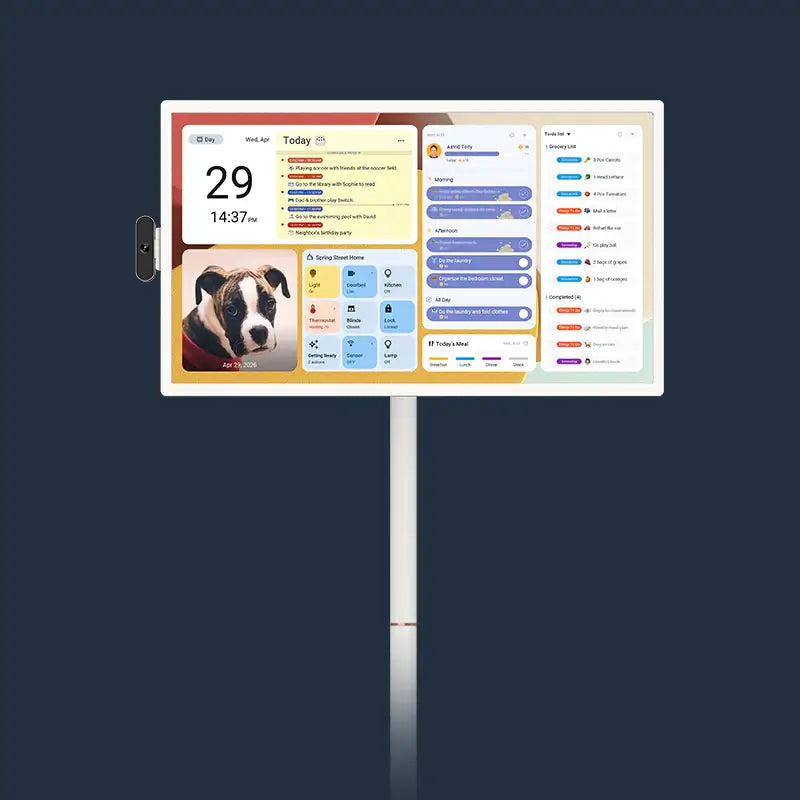
A shared note or calendar works for families who live on their phones. For a household where not everyone checks a phone, a family calendar display in the kitchen keeps the plan where people can see it. If pickup moves between two homes, a weekly co-parenting schedule sync gives you a set time to catch these changes.

For a recurring conflict, give that slot a standing owner. For a surprise on the day, count on the trigger, the cutoff, and an adult who has clearly said yes. Your next step: fill in the plan with your caregivers, add each backup through your school's process, and share the final copy before the next pickup.
FAQs
Should My Child Know Who the Backup Adults Are?
Yes, in simple words that fit their age. Tell them the names on the plan so a different face at pickup isn't a surprise. Keep it short: who might come and that school staff handle the release.
Should the Backup Adult Bring ID to Pickup?
It's a good habit, because staff may not know the backup by sight. Some settings ask for it directly. For example, NYC Public Schools says drivers on its curb-to-school special education buses may ask for ID. Your school's instructions tell you what it needs.
What Makes Someone a Good Backup Choice?
Pick someone who is usually free during your pickup window and can reach school in time after your cutoff. They should also be willing to be listed with the school if it asks for that. A trusted relative who lives far away may work better as the fallback than as the first backup.
Who Should Keep the Plan Up to Date?
Name one caregiver as the plan keeper. The pickup owner can change from day to day, but the keeper is the person who edits the shared copy when someone reports a change and lets the others know it changed.