



The easiest way to plan rainy RV activities is a simple rotation. Your kids move from a quiet choice to a shared game to some movement while you're parked, with one shared-screen window the family agrees on ahead of time. Screens stay part of the day, but as a planned activity, not the answer to every lull.
You don't need a strict timetable. Change the order to fit how long the rain lasts and what your kids need. You also pick how long viewing lasts, based on your own family.
Set a Flexible Rainy-Day Rhythm
When rain moves everyone inside, start with a sequence instead of a clock. The table below shows one order that works, but you can shuffle the rows.
| Cue or moment | Suggested activity | What comes next |
|---|---|---|
| Rain cancels the plan | Tell kids what changed and name the next two or three activities | First quiet choice |
| First lull | Reading, coloring, or a sticker book | A shared game |
| Kids get restless | Card game, or a movement game while parked | Snack or meal |
| Agreed viewing cue | One show or movie picked and watched together | A non-screen activity |
| Viewing ends | Draw a scene from the show, play cards, or rest | Back to the rotation, or outside if it clears |

Tie viewing to a routine moment, not a time on the clock. Good cues are things like "after lunch cleanup" or "once the dinette is cleared for the evening." A cue makes viewing predictable. Kids know it's coming, so a quiet moment at 10 a.m. doesn't turn into a screen negotiation.
This fits general guidance from the American Academy of Pediatrics, which suggests families decide when, where, and how media fits during vacations. It also suggests planning screen-free activities and watching together as a family. The rotation above is just one practical way to put that idea to work in an RV.
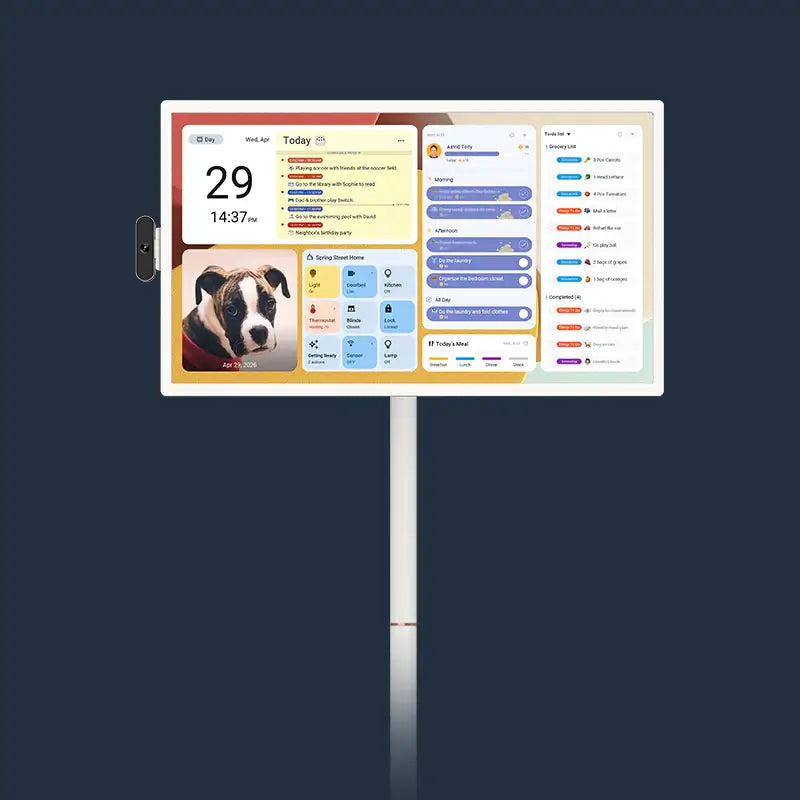
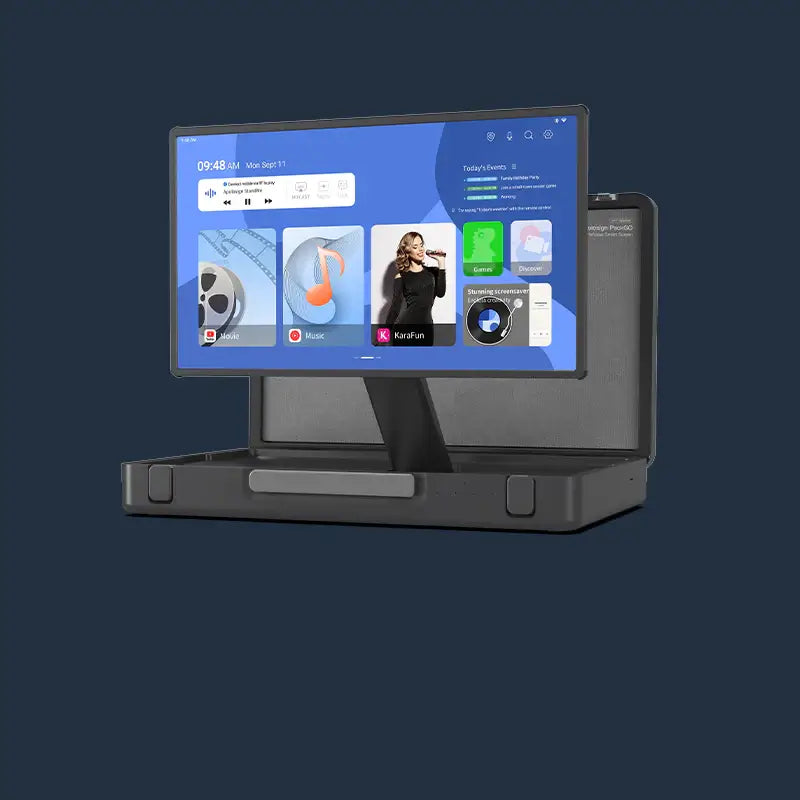
Watch on one shared screen when you can. A tablet everyone can see or a portable TV at the dinette keeps viewing a group activity instead of separate devices. Decide in advance what follows the show, so the screen turning off leads somewhere instead of into an argument. If your kids already follow predictable after-school screen limits at home, use the same kind of cue on the road.

Pick Indoor Activities for Space, Energy, and Ages
With the order set, the next step is filling each slot with something that fits a small space. Choose activities that take little setup and are easy to pause when the table is needed for meals.
Shared, Low-Setup Choices
A deck of cards is the easiest group activity in an RV. Go Fish, Crazy Eights, or Uno fit on a dinette table and pack away in seconds. A drawing prompt works too. One person draws a shape, and the next turns it into a creature or a vehicle. For zero supplies, try a group story where each person adds one sentence. These games don't need floor space, and you can stop them mid-round when dinner is ready.
Quiet Options for Independent Time
Some kids need a break from the group, especially after a few hours in close quarters. Offer reading, coloring, sticker books, or paper puzzles like mazes and word searches. Each one works in a bunk, on a booth seat, or at one end of the table. They're also easy to put down and pick back up, which matters when the space has to switch from playroom to kitchen several times a day.
Active-In-Place Options While Parked
Kids with extra energy can burn some off without leaving the RV. Save these for when the RV is parked. Try charades, a stretch-and-pose game where kids copy animal shapes, or a small scavenger hunt like "find something blue, something soft, and something round." Keep movement small: standing in place, not running down the aisle. Not every family needs this slot. Use it when you notice wiggles building.
When Children Want Different Things
Siblings don't all have to do the same thing at once. Running parallel activities often works better. One child colors in a bunk while another plays cards with a parent at the table. When you do want a group game, adjust roles by age. A preschooler can deal cards or pick the charades category. An older child can play with tougher rules or keep score. Everyone can join, and nobody is stuck in a game that's too easy or too hard.
Adjust the Plan for a Quick Shower or a Long Rainy Stretch
How long the rain lasts changes how much of the plan you use. A short delay needs a light pause, while a full day inside needs the whole rotation.
If Rain May Pass Soon
Pick one quick activity that's easy to stop, like a card game or a coloring page. Skip the full rotation and keep the shared-screen window for its usual cue. Keep shoes and jackets handy. When the rain lets up, head back to your hike, beach trip, or campground walk. That way a 30-minute delay doesn't turn into a lost afternoon in front of a screen.
If the Family Is Indoors for Much of the Day
Rotate between activity types instead of repeating one favorite until it wears out. Follow a quiet stretch with a shared game, and follow that with a movement break. Keep your usual meal, snack, and rest times. These familiar anchors give the day shape even when the activities change. Let the shared viewing window sit where your cue puts it, and use the time around it to switch up who plays what.
Before You Leave, Agree on the Plan
The simplest step happens before the trip: pack a few easy activities in one bag and agree on your viewing cue. Then a rainy morning starts with a plan instead of a debate.
What goes in the bag depends on your family:
- Kids who like predictability: Pack familiar, simple options they already enjoy. Talk through the viewing cue at home, the same way you'd set up a steady kids' routine. There are no surprises once the rain starts.
- Mixed ages or energy levels: Pack at least one quiet option and one shared option per child. That way parallel play is ready to go, and no one has to wait for a group game they don't want.
Also decide which screen you'll use for the shared window, such as a tablet or a portable smart TV, and keep it charged with the activity bag.
FAQs
What should I say if my kids ask for screens before the agreed cue?
Name the cue and offer a choice. For example: "We watch after lunch cleanup. Right now, do you want cards or coloring?" Pointing to the cue keeps the answer the same each time. A concrete choice gives your child something to do right away.
What if the RV feels too crowded or loud?
Split up. Send one child to a bunk with a book, put another at the table, and have an adult take a turn with whoever needs the most attention. Quiet activities in separate spots usually work better than forcing a group game in a cramped space.
How do we choose what to watch together?
Take turns picking, or choose two or three options before the rainy day so the decision is quick. Pick something the youngest viewer can follow. That way the shared window stays a family activity and nobody drifts off to a separate device.
What if one child doesn't want to join the shared viewing?
That's fine. Let them pick a quiet activity nearby instead. The cue still marks a planned break in the day, and they can join the non-screen activity that follows.