




Remote birthday greetings go smoothly when the format fits your relative’s schedule and the party’s pace. Plan a short live hello during a natural break; if a call would interrupt the fun, ask for a recording to play later. Either way, keep the moment short and focused on the birthday kid, not a long video chat.
Choose a live hello or a recorded message
Use a live call when your relative can join during a natural break. Choose a recording when schedules clash or the party stays busy.
Choose a live hello when the timing works
A live call fits when your relative can be ready at a set time and your child can step away from play for a short hello. Picture a party where Grandma lives across the country but is free all Saturday afternoon. The kids will finish a craft, then head outside for games. That gap between activities gives her a clear window, so a live hello makes sense.
Settle on the moment ahead of time. Grandma knows when to pick up, you know when to call, and the greeting stays short because everyone knows what it’s for. A scheduled virtual visit can bring in family who can’t travel.
Choose a recording when schedules or party pace do not fit
A recorded message is a better choice when your relative can’t match the party schedule or a live call would compete with the fun. For example, your uncle may work a Saturday shift, or the party may be a nonstop bounce-house afternoon with no real break. Trying to squeeze in a call could pull your child away from the action or lead to a rushed hello.
A recording means you don’t have to find an exact time to call. Play it whenever your child is ready to watch or listen. When video chatting isn’t a good fit, Common Sense Media suggests asking family to record birthday video messages and showing them to the birthday kid during the day.
Ask your relative when they’re free. If none of those times lines up with a break in the party, choose a recording.
Fit the greeting into a natural pause
Schedule a live greeting during a planned lull or between activities, not in the middle of active play. If the party is likely to stay busy, save a recording for a calmer moment instead.
For example, six kids are wrapping up freeze dance, and snacks come next. While they wash their hands and sit down, the birthday kid is already taking a break. That’s a natural opening for a quick hello. Some families choose cake time, when everyone is gathered in one spot. Others prefer the quieter stretch after presents. Pick the moment that fits your party.
Active play is a poor time for a call because it competes with the game for your child’s attention. A kid halfway through a relay race will either leave the game or give the screen only half a look. Neither makes for a great greeting.
Once you pick the moment, tell your relative roughly when to expect the call, such as “around 3:30, after the piñata.” Parties rarely run exactly on time, so a loose window works better than a set minute. If the planned break never happens, don’t force the call. If you have a backup recording, let your relative know you’ll share it later. Otherwise, reach out after the party to arrange recorded messages and let the fun keep going.
Make it easy for the child and relative to join
Give your relative a clear plan and your child one simple thing to share or ask. A little preparation helps the greeting start without an awkward “Um, hi.”
- Tell the relative the format. Let them know whether you’ll call live or want a recording. For a live hello, share the planned time and who will place the call.
- Pick one thing for your child to share or ask. A new toy, a favorite part of the party, or one question for Grandpa is plenty. This simple call-prep activity walks kids through choosing questions and something exciting to share with a loved one far away.
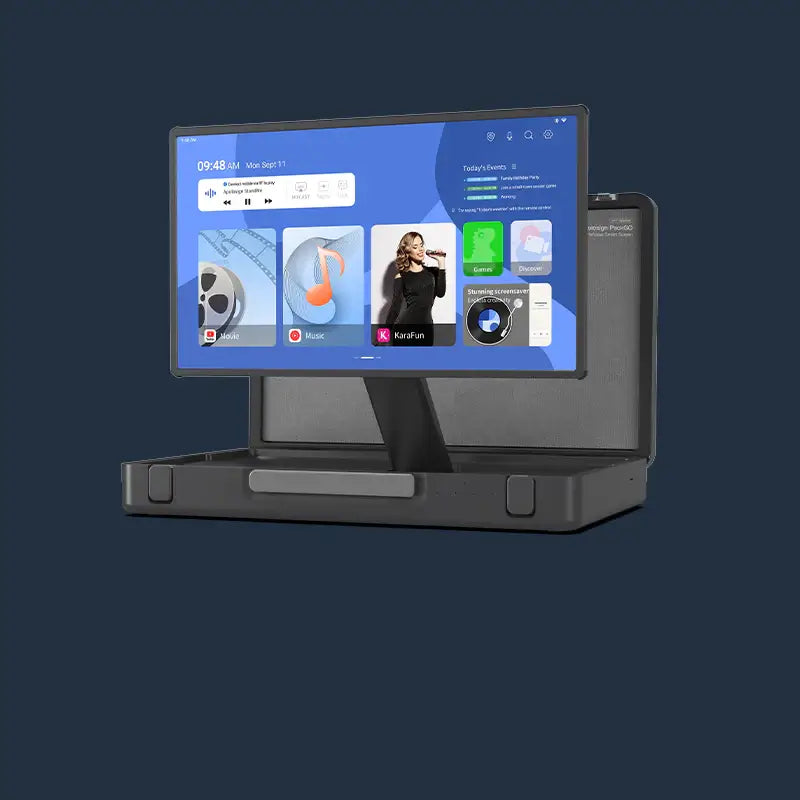
- Have the recording ready to play. Download it ahead of time and load it on the device you’ll use, whether that’s a phone or an Apolosign portable touch TV for a small group to watch together.
- Keep the call contact handy. Save your relative’s number or video link where you can tap it quickly, and charge the device before guests arrive.

Kids who like counting down can add the call to a family birthday countdown note, so they know Grandma is part of the big day. That way, you know what to play or when to call, and your child has an easy way to start.
If your relative can join during a planned break, go with a short live hello. If schedules clash or the party won’t slow down, choose a recording for a calmer moment. Text your relative today to ask when they’re free, then settle on the format.
FAQs
What if we don't know yet whether a relative can call live?
Ask for a short recorded message as a backup. If they’re free during the planned break, call live and save the video for later. If plans change, you’ll already have something ready to play, so you won’t need to scramble during the party.
How can my child respond to a relative who couldn't join live?
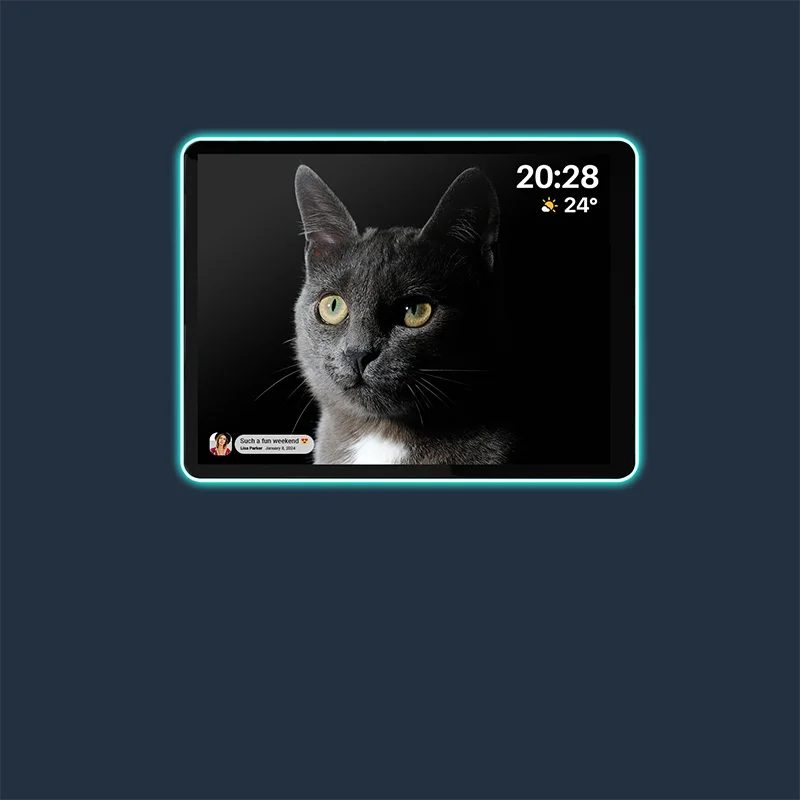
Have your child record a quick thank-you video or pose for a photo with the cake after the party. If the relative has an Apolosign digital photo frame, you can send party photos to it. You can also add pictures to a shared Google Photos album so faraway family can look through them later.
How do we end a live call without it feeling rude?
Agree on a goodbye cue before the party. You might tell your relative, “When the kids line up for the next game, we’ll wave and hang up.” During the call, a friendly line like “One more thing, then it’s time for cake” helps everyone wrap up without a surprise.
What if several relatives want to say hello?
Use both formats. Relatives who are free during the same planned break can join one group call, keeping it to one pause in the party. Those who can’t make that time can send recordings for you to play during calmer parts of the day.