




A workable weekly sports and carpool schedule starts with one shared matrix, not five separate group texts. List every practice, game, and ride in a single view with one row for each event, then assign a driver, a rider list, and a gear check before you publish the plan. Scan for overlapping times, uncovered rides, and handoff gaps first, because those are the mistakes that turn a Tuesday practice into a scramble.
Key Takeaways
- Build one weekly matrix with a row per event instead of tracking practices, games, and rides across separate calendars or texts.
- Run a conflict scan for overlapping times, incompatible locations, and uncovered rides before you assign drivers, not after.
- Name a driver and every rider directly on the event row, and set one channel for last-minute changes.
- Stage gear by event and departure time, not just by sport, so bags match the right child and destination.
- Keep your current shared calendar if everyone checks it reliably; add a persistent home display only if a common room changes what your family actually sees.
Build the weekly carpool matrix in one shared view
The matrix is one table with a row for every practice, game, and ride, covering the child, activity, location, time, driver, gear, and status. Building it before you assign any driver exposes gaps while there is still time to fix them.
Gather every fixed commitment first
Start your weekly reset by listing every immovable commitment for the coming week: school pickup times, work obligations, practices, games, and family events. Write these down before adding anything optional, so the schedule reflects reality rather than a wish list.
Mark which events actually need a ride. Not every activity does. A practice within walking distance or one where a parent is already staying doesn't need a driver assigned, and skipping that step early keeps the matrix focused on the events that create real logistics problems.

Give every event one actionable row
Each row should include the child's name, the activity, the date, the start and end time, the location, whether a ride is needed, who is driving, who is riding, the pickup and drop-off points, the gear required, and a status field. Setting up a focused weekly scheduling review that covers upcoming sports, rides, and busy days gives this kind of row-by-row detail a natural home.
Write each field in plain language another caregiver could read without asking follow-up questions. "Sam, soccer, 4:30 to 6:00, Riverside Park, Dad driving, cleats and water bottle, confirmed" tells a substitute driver everything they need in one glance.
| Day and event | Child and activity | Location | Start and end time | Ride need | Driver and riders | Pickup and drop-off | Gear | Status |
|---|---|---|---|---|---|---|---|---|
| Tue, soccer practice | Sam, soccer | Riverside Park | 4:30 to 6:00 PM | Yes | Dad, Sam + Alex | Home to park, park to home | Cleats, water bottle | Confirmed |
| Wed, game | Mia, softball | Eastside Field | 5:00 to 7:00 PM | Yes | Rotation: Chen family | School to field, field to home | Glove, helmet | Needs driver |
| Thu, practice | Sam, soccer | Riverside Park | 4:30 to 6:00 PM | No | Walking with neighbor | N/A | Cleats | Confirmed |
Find conflicts before assigning rides
Run a conflict scan across every event before you lock in the rotation, because catching a problem now beats discovering it at pickup time. This step turns the matrix from a list of events into a plan that actually works.
Spot overlaps that look possible but are not
Two events at the same start time aren't automatically a conflict, and two events with different start times aren't automatically safe. Check the location and departure order together: if one child's practice ends across town fifteen minutes before a sibling's game starts, that overlap only becomes visible when you line up locations, not just times.
Treat a same-driver handoff as its own category. A parent finishing one drop-off while another child needs a pickup at the same moment is a scheduling gap even if nothing on the calendar technically overlaps.
Turn every gap into an assignment
Every flagged issue needs one resolution action attached before you publish the schedule. Check these four things in order: overlapping times, the sequence of locations, whether a driver is actually available, and whether every ride has a named owner.
- Time overlap: reassign one ride to another driver or adjust the pickup window.
- Location sequence: confirm the driver can realistically get from one place to the next.
- Driver coverage: fill any ride still marked "needs driver" before the week starts.
- Handoff ownership: name who is responsible for each leg, especially when outbound and return rides split between two households.
Leave no blank driver, rider, or pickup field on a ride that's supposed to happen. A blank field is the easiest conflict to miss and the hardest one to fix at 4:15 on a Wednesday.

Set the driver rotation and change rule
Assign a driver and rider list to every ride directly in the matrix, then agree on one channel for changes. This turns the rotation into a visible plan instead of a loose understanding that everyone remembers differently.
Name the driver and riders for each ride
Put the responsible driver and every expected rider directly on the event row, not in a separate message thread. When different households or adults handle the outbound and return legs, list those as two entries rather than one combined ride, so nobody assumes the other parent has it covered.
Set one rule for substitutions and changes
Choose the communication channel the participating families already check, whether that's a group text, a shared calendar note, or a family app. When a ride changes, update the master row first, then send a short notice with the new driver, time, and location.
A useful change message needs only a few things:
- The event and time
- The new driver's name
- Pickup and drop-off points
- Any gear the new driver needs to bring
One owner and one change path prevents two different versions of the schedule from circulating at once.

Stage gear by event and departure
Connect each bag to the event it belongs to, not just to the sport, so the right gear leaves the house at the right time. This closes the gap between a schedule that looks complete on paper and a departure that actually goes smoothly.
Match each bag to one event
Label or group each bag with the child's name, the destination, and the departure time it belongs to. When one child has two different destinations in the same day, keep those bags separate rather than combining everything into one pile, since grabbing the wrong bag on the way out the door is a common source of last-minute stress.
Use the entryway as the final handoff point
Set up one staging spot near the door where bags, water bottles, uniforms, and shoes sit together, matched to the day's departures. A dedicated drop zone for backpacks, equipment, and water bottles makes it easier to see at a glance whether everything for that afternoon is ready. If your afternoons tend to compress into a tight window, our guide to after-school sports staging covers building that grab-and-go system in more detail.
Update the status field on the matrix once gear is staged, so whoever is driving can see the departure is actually ready instead of guessing.
Decide whether the family needs a shared calendar or visible home display
Keep your existing shared digital calendar if everyone checks it reliably, and consider a persistent home display only if a common room would change what your family actually sees. This is a household-behavior decision, not a screen-versus-no-screen one.
Keep the shared digital calendar when devices already work
If parents and older kids consistently open a shared calendar app on their phones, or need the schedule while away from home, that existing system is doing its job. Keep entering matrix details as event notes and there's little reason to add another device to maintain.
Consider a persistent display when visibility changes behavior
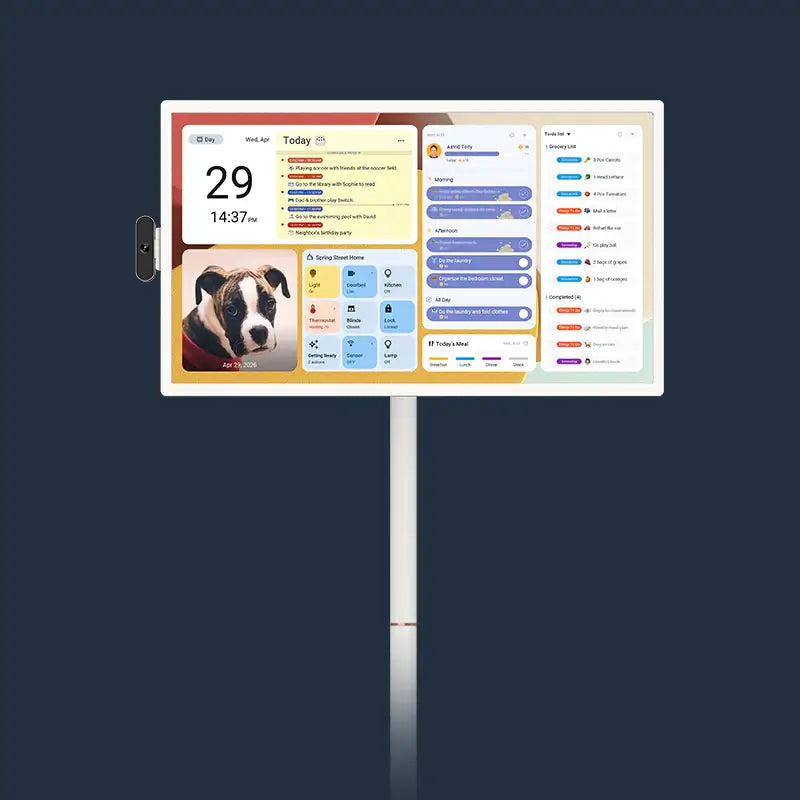
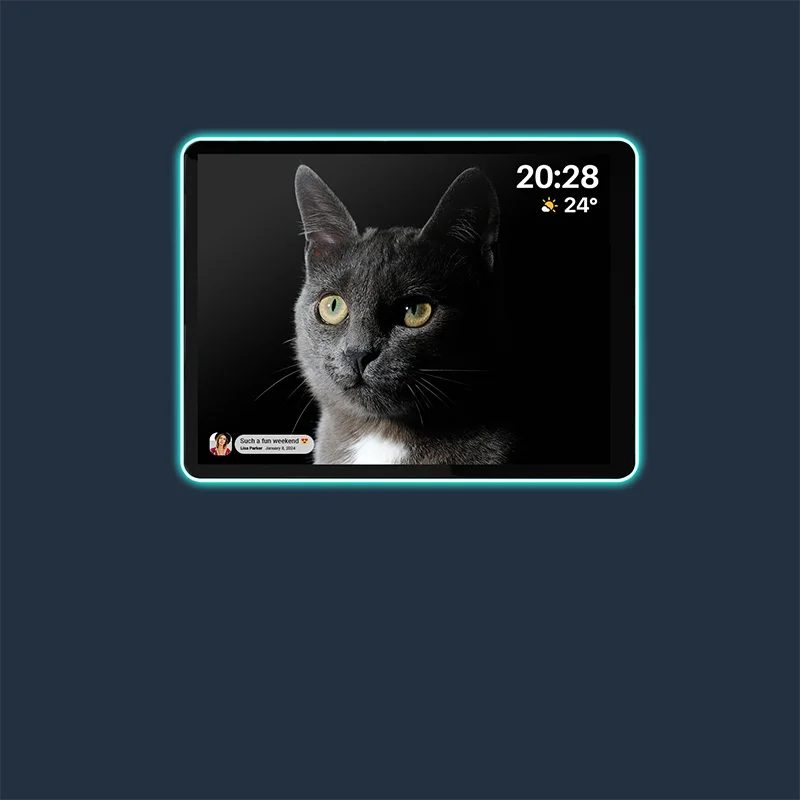
Mounting a persistent digital wall display puts your online calendar on a wall or countertop so the week is visible without opening a phone. That matters most for households where someone walks past the kitchen every day but doesn't reliably open the calendar app.
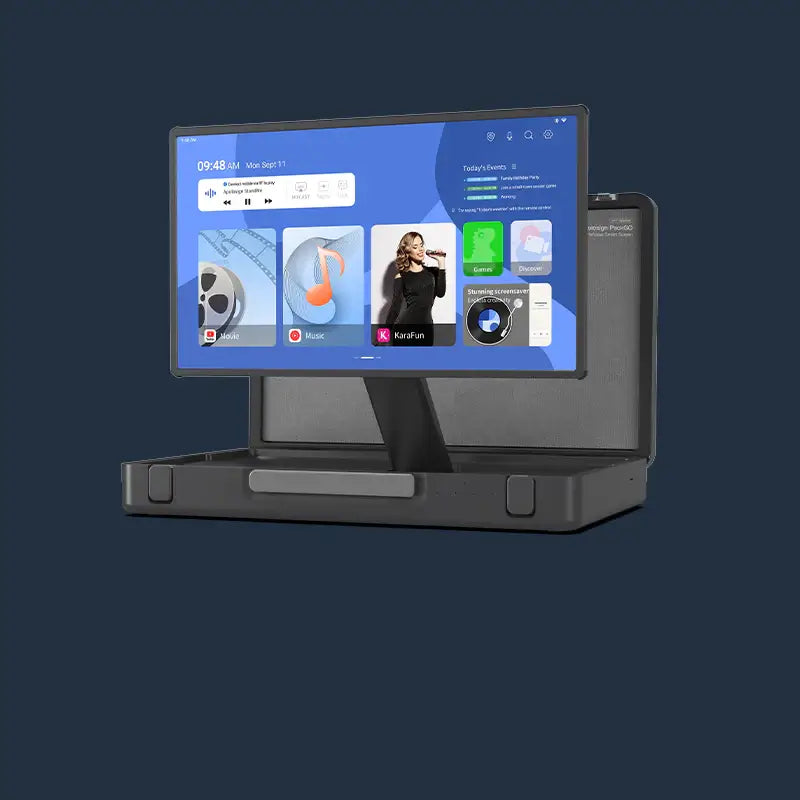
Our Apolosign 21.5-inch Digital Calendar carries a 21.5-inch screen and auto-syncs with Google Calendar, Outlook, iCloud, Yahoo, and Cozi, alongside routines with rewards, custom to-do lists, meal planning, and a family message board for reminders. We also want to be direct about setup: a sponsored Best for Android review and WIRED's testing both noted that the tested 21.5-inch model can take more patience to set up than a simpler dedicated calendar interface. A display like this only helps if someone still owns updating it; it adds visibility, not a replacement for the habit of entering changes. If your family already reads about family calendar scheduling as a topic of interest, that's usually a sign a visible display is worth considering.
Choose the setup, then start with one week
Families who already check a shared calendar reliably should stick with it and keep feeding matrix details into it. Families who keep missing updates because nobody looks at a phone in the kitchen are the better fit for a common-room display like our Apolosign 21.5-inch Digital Calendar.
Either way, the next action is the same: build the first matrix during your next weekly reset, publish the assigned rides before Monday, stage the gear, and set a reminder to review it again next week. If a visible display fits your household, take a look at the Apolosign 21.5-inch calendar and start with one week before deciding whether it earns a permanent spot on the wall.
FAQs
How should two families share a carpool schedule without creating duplicate calendars?
Keep one master matrix with one owner, and only send the other household the specific event details they need: the time, location, driver, and pickup point for the rides that involve their child. There's no need for both families to maintain a full duplicate schedule. When something changes, send the updated details through whatever channel the two families already use together.
What information should a backup driver receive?
Send the event time, pickup and drop-off points, the names of the riders, and any gear note in one message, rather than forwarding a long thread. Then update the master row on the matrix so the substitution is visible to everyone else checking the schedule, not just the people in that one text exchange.
What should I do when a practice or game changes after the weekly reset?
Update the event's status field on the matrix first, since that's the version everyone should trust. Revise the driver, rider, and timing details on that row to match the new plan, then send one short change notice with the new time, location, or driver so nobody shows up expecting the old schedule.