


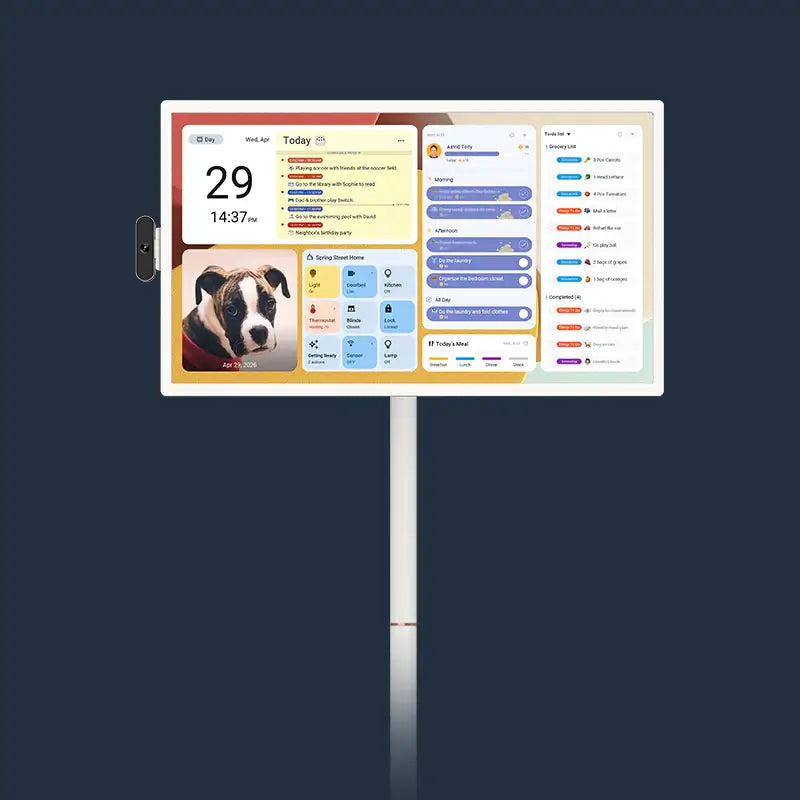
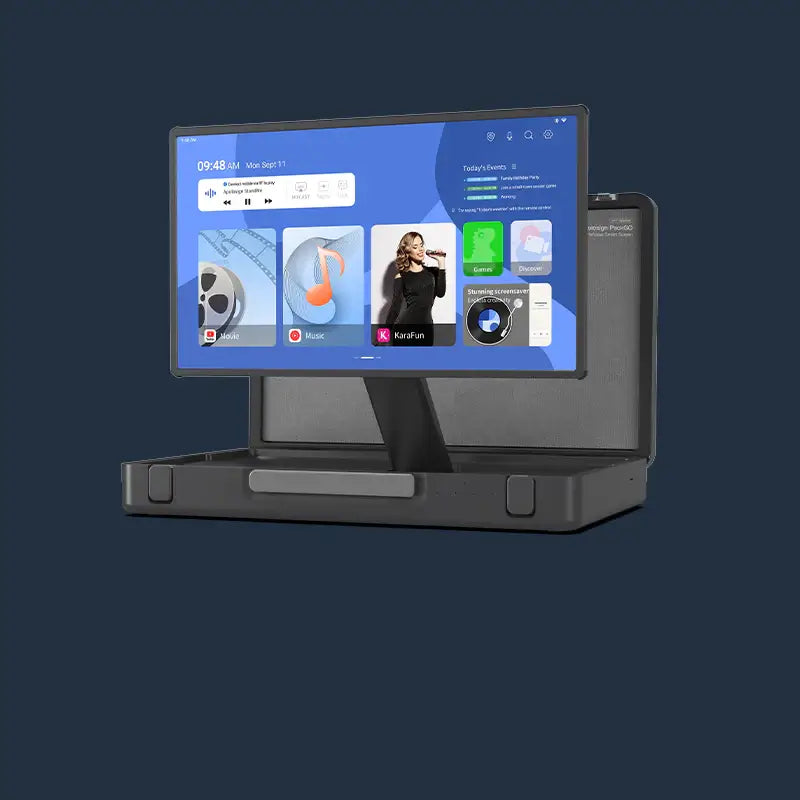
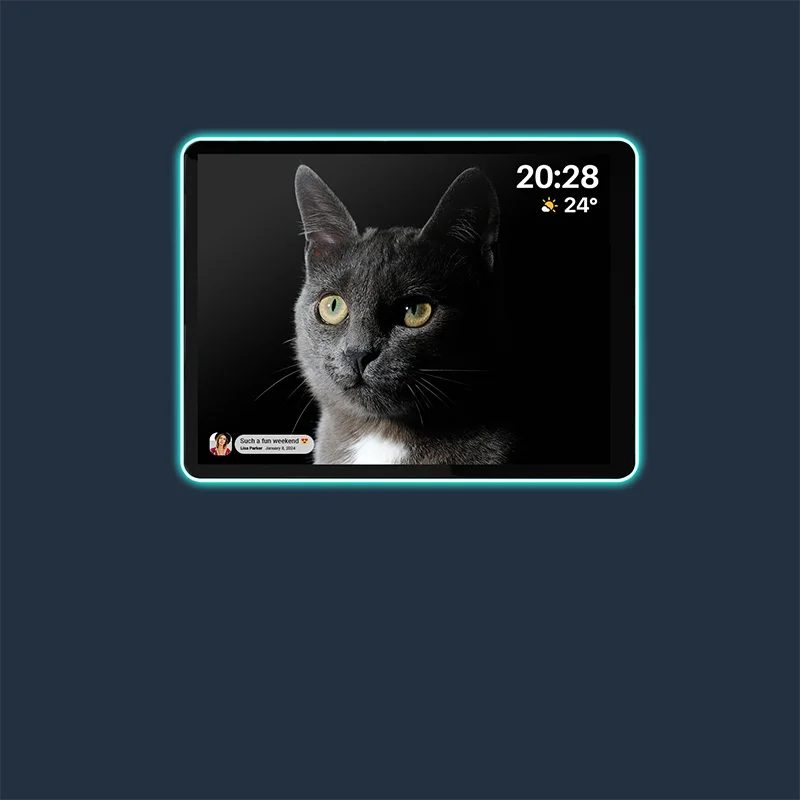
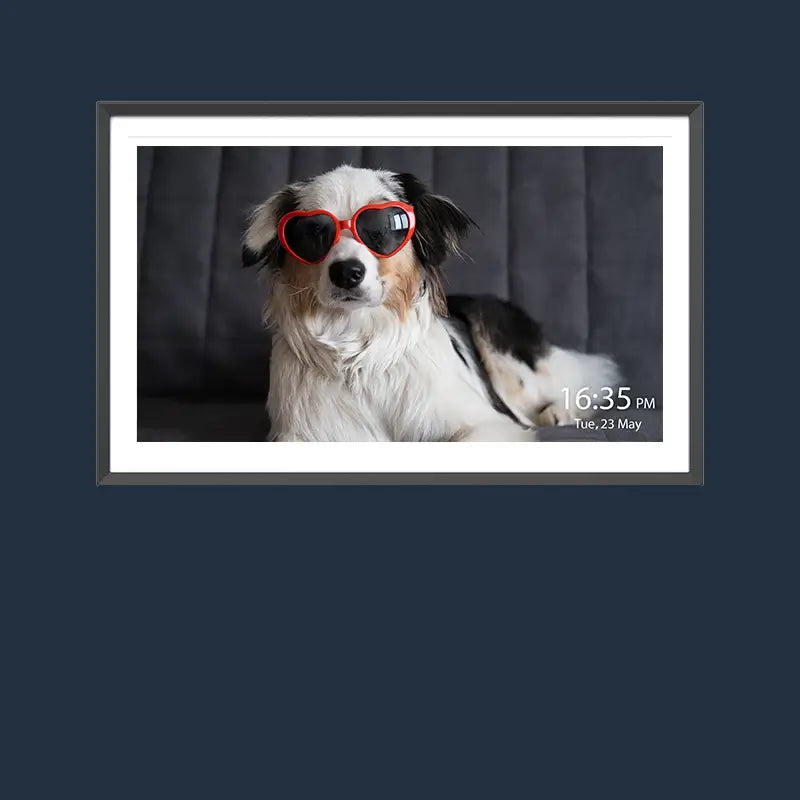

Four digital family calendars build a reward system directly into the screen today: Skylight, Hearth Display, Cozyla Calendar Plus 2, and Apolosign. For a family raising an ADHD child, the reward mechanic itself matters less than whether it keeps working without interruption, since Skylight and Hearth Display both cut off their reward system the moment a monthly or annual payment lapses, while Cozyla and Apolosign do not attach a subscription to theirs. The comparison below breaks down exactly how each system works and what happens if a payment is missed.

Why Reward System Design Matters More for ADHD Kids
Many parenting and ADHD-focused resources describe reward systems as most effective for ADHD kids when feedback is immediate, visible, and consistent, since delayed or inconsistent reinforcement tends to lose a child’s interest quickly. A reward chart that a child has to be reminded exists, or one that disappears partway through a month because of a billing lapse, works against that consistency. That makes two questions worth asking before choosing a device: how visible and instant is the feedback when a task gets checked off, and does the reward system stay available without ongoing action from a parent. Judged against that second question, a reward system that can disappear because a card was declined works against the exact consistency ADHD-focused resources recommend.
Comparing the Four Reward Systems at a Glance
|
Calendar |
Reward Mechanic |
Subscription Required for Rewards? |
Cost If Required |
Screen Sizes |
|
Skylight Calendar |
Star values per chore, redeemable for a custom reward, with an on-screen emoji celebration when a list is finished |
Yes, via Calendar Plus |
$79 a year (per Skylight’s pricing pages) after an included trial |
10-inch frame, 15-inch, 27-inch Max |
|
Hearth Display |
Stars & Rewards tied to Routines, with visual step-by-step icons for each task |
Yes, via Family Membership |
$9 a month or $86.40 a year after a 30-day trial |
27-inch |
|
Cozyla Calendar Plus 2 |
Points earned for chores and routines, redeemable for parent-approved custom rewards |
No |
Not applicable |
15.6-inch, 24-inch, 32-inch |
|
Apolosign |
Points assigned per task, with instant on-screen notifications and redeemable gift icons |
No |
Not applicable |
15.6-inch, 21.5-inch, 27-inch, 27-inch 4K |
Skylight Calendar’s Star-Based Rewards
Parents assign a star value to each chore, and kids watch stars accumulate toward a reward the parent sets, like a movie night or an ice cream trip. Skylight’s own support pages describe an on-screen emoji celebration once every chore on a child’s list is checked off. This entire Rewards feature sits behind the Calendar Plus subscription, which Skylight’s pricing pages list at $79 a year. The base device still functions as a calendar without Plus, but the rewards system specifically does not work until that plan is active.
Hearth Display’s Stars & Rewards
Hearth pairs its Stars & Rewards system with its Routines feature, both built around visual, icon-based checklists that reviewers and customer testimonials describe as effective for young and neurodivergent kids specifically, including at least one parent’s account of a 5-year-old with ADHD responding well to it. Both features require an active Family Membership, which Hearth’s own support documentation states is required before onboarding finishes and again to keep rewards, routines, and meal planning active afterward. The membership costs $9 a month or $86.40 a year after an initial 30-day free trial.
Cozyla Calendar Plus 2’s Points-to-Rewards System
Cozyla’s system lets a child earn points for completing chores and routines, then redeem those points for custom rewards a parent sets up with approval conditions attached. Cozyla’s product pages describe this as included with no subscription fee. The lineup comes in three sizes, from a 15.6-inch model up to a 32-inch display, giving families more screen-size range to work with than Skylight or Hearth currently offer.

Apolosign’s Points-Based Reward System
With Apolosign’s built‑in points‑based reward system, parents can assign custom point values to individual tasks — everything from household chores such as washing dishes and tidying bedrooms, to homework assignments and daily reading sessions. When a child finishes a task, an on‑screen notification pops up instantly, paired with a short celebratory animation. Accumulated points can be exchanged for rewards pre‑defined by parents, which appear as gift icons on the display.
All these features are included with the device purchase at no extra cost. Alongside the reward system, users gain access to calendar sync, meal‑planning tools, photo album uploads, and a fully customizable DIY dashboard. No paid subscription or premium plan is required. Running both Android Dashboard Mode and Calendar Mode, the device lets one view display the family schedule and chore chart, while the other features weather widgets, meal plans, photos, and other Android apps and widgets.
The product leverages high‑contrast visual cues and instant feedback in its interaction design. These qualities make it particularly well‑suited for kids with ADHD, easing the burden of relying solely on memory and self‑discipline. It should be noted that this reflects Apolosign’s product design approach and has not been validated by independent clinical research.
What Happens If a Subscription Lapses
For the two subscription-gated systems, losing access mid-routine is a real practical risk. Skylight’s free tier keeps its task manager and checklists running without Plus, but the Rewards feature itself stops working the moment the subscription lapses. Hearth’s support documentation describes the same pattern for Stars & Rewards, Routines, and meal planning once a Family Membership isn’t active. For a child who has built a habit around watching points or stars accumulate, an unexpected pause because a card declined or a renewal was missed can undo weeks of consistency. Cozyla and Apolosign do not carry that particular risk today, since neither currently ties its reward system to a renewing plan.

Choose the Reward System That Fits Your Family
The mechanic itself is not what separates these four, since all of them give a child something visible to earn. What separates them is whether that system is still running next month without a parent doing anything to keep it there, and how much of the screen a family can shape around their own routine.
Cozyla Calendar Plus 2 and Apolosign both currently keep their reward systems available without a separate plan. Between those two, the deciding question is usually what else you want the screen to do when nobody is checking off a chore.
Choose Apolosign if you want:
- A points system that fires an on-screen notification and a small animation the moment a task is checked off
- Two ways to use one screen: Calendar Mode for the family schedule, Android Dashboard Mode for everything else
- The freedom to build your own layout with widgets, photos, and Android apps rather than a fixed template
- Four size options, from a 15.6-inch model up to a 27-inch 4K panel
That combination puts the chore rewards, the schedule, and a dashboard a family arranges itself on the same screen.
Other options:
- Cozyla Calendar Plus 2: the pick if a 32-inch panel is the priority on its own.
- Skylight Calendar: worth it for a child who responds to the emoji celebration, as long as Calendar Plus stays active at $79 a year.
- Hearth Display: the most structured step-by-step visual routine of the four, provided the household keeps the $9-a-month or $86.40-a-year Family Membership running.
All four mechanics work on the same principle, so the choice comes down less to stars versus points than to two practical questions: will the system still be there next month without a renewal to manage, and does the rest of the screen fit how your family actually uses it. Verify current pricing and feature details on each brand's site before buying.

FAQs
Q1: Do any of these reward systems require a subscription to keep working?
Skylight and Hearth Display both gate their reward systems behind a paid plan, at $79 a year and $9 a month or $86.40 a year respectively. Cozyla Calendar Plus 2 and Apolosign do not attach a subscription to their reward systems as of the time of writing.
Q2: What happens to a child’s accumulated points if a subscription lapses?
Skylight’s and Hearth’s support documentation both describe the reward feature itself becoming unavailable once the subscription isn’t active, though the underlying calendar continues working on its free tier. Neither company’s public documentation details whether previously earned points are preserved or restored once billing resumes.
Q3: Which display has the most screen size options for reward visibility?
Apolosign offers four sizes, from 15.6 inches up to a 27-inch 4K model. Cozyla offers three sizes up to 32 inches. Hearth currently sells one 27-inch size, and Skylight’s lineup includes a 10-inch frame, a 15-inch model, and a 27-inch Max.
Q4: Is a points system more effective than a stars system for ADHD kids?
Neither mechanic is shown to be inherently better than the other, since points, stars, and similar symbols all work through the same immediate-feedback principle. What affects effectiveness more in practice is whether the system stays available without interruption, since a reward tracker that goes offline over a missed subscription payment breaks the consistency that makes any of these mechanics work in the first place.
Q5: Do any of these calendars offer a trial before requiring payment for their reward system?
Skylight includes a trial period before Calendar Plus billing begins, and Hearth includes a 30-day free trial before its Family Membership charge starts. Cozyla and Apolosign do not require a trial or payment step for their reward systems since neither currently attaches a subscription to that feature.