


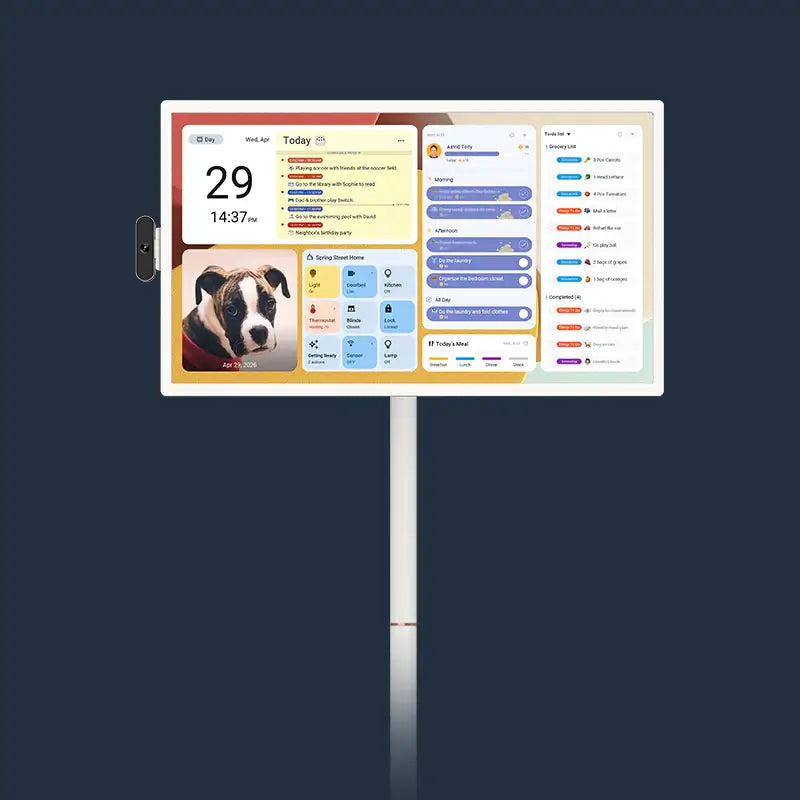
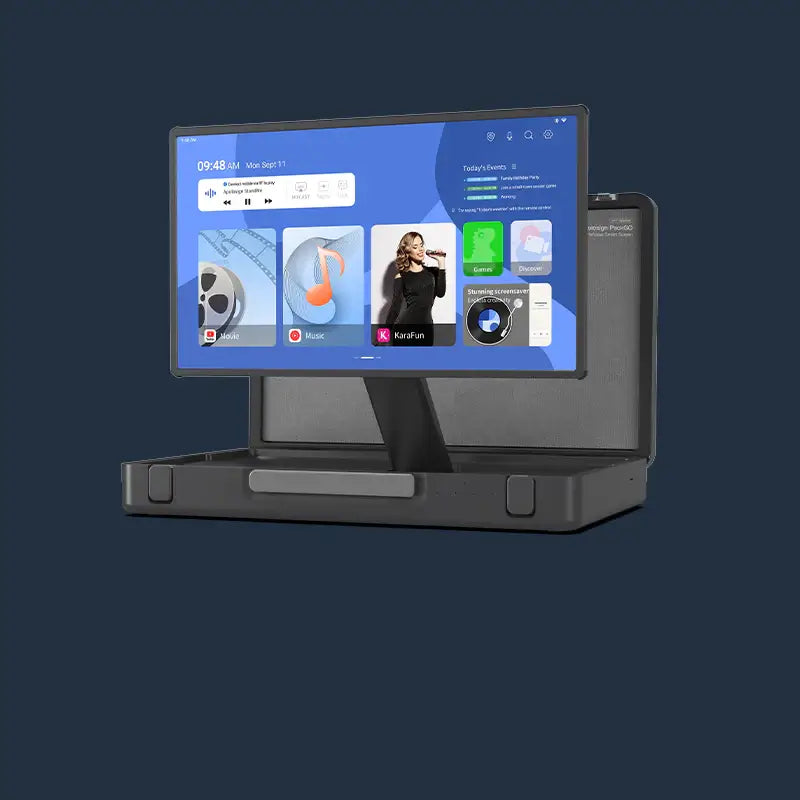
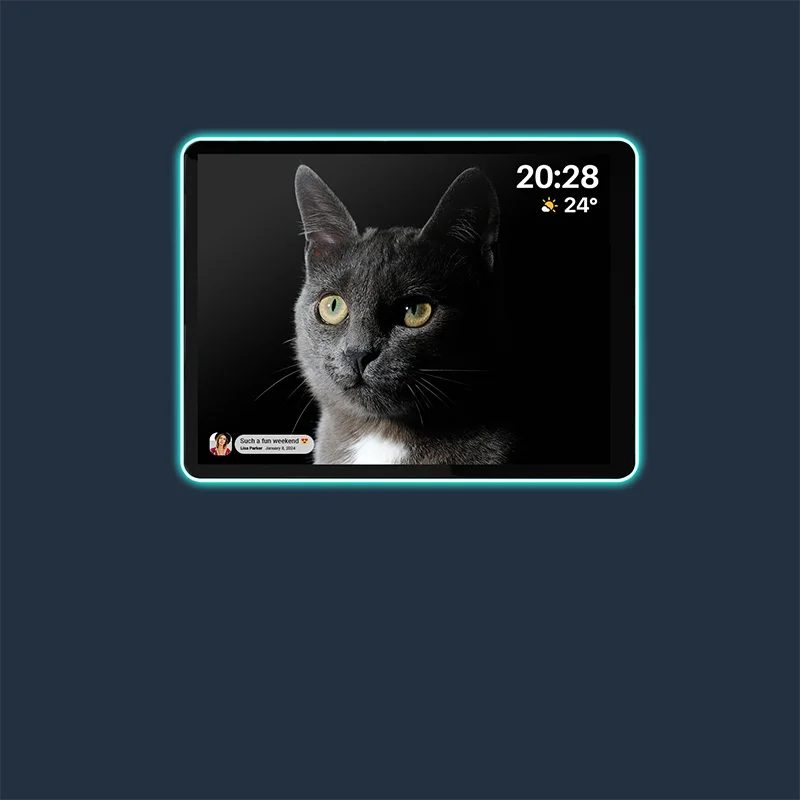


A digital family calendar transforms chaotic household schedules into smooth daily operations. Families need reliable tools to track appointments, assign chores, and manage school events without constant reminders. A centralized system reduces stress and keeps everyone aligned. Modern smart displays provide a single point of truth for the entire household.
Why Families Are Switching to Digital Calendars
Families transition away from paper schedules when daily coordination becomes too complex to memorize. A smart system automates tedious tasks so parents can focus on spending quality time together.
The Mental Load on Modern Moms
Mothers frequently carry the bulk of household planning. They track dentist appointments, grocery lists, and school project deadlines. This constant background processing creates mental fatigue. A centralized display transfers this data from one person's mind to a shared visible platform. Spouses can check the screen instead of asking for daily updates.
Shared visibility distributes responsibility more evenly across the household. Kids learn to look at the screen rather than shouting questions across the house. This shift brings quiet relief to busy parents. The mental burden lessens when everyone has access to the same daily blueprint.
Coordinating Multi-Kid Schedules
Siblings rarely have overlapping activities. One child has piano lessons on Tuesday. Another needs a ride to basketball practice at the exact same time. The best digital family calendars in 2026 offer dynamic updates to handle these scheduling conflicts. Changes reflect instantly on the central screen.
Parents can adjust pickup times on their phones while sitting in traffic. The update pushes to the home screen immediately. Babysitters or grandparents can see the revised schedule without needing a phone call. Real-time accuracy prevents missed pickups and forgotten appointments. Coaches often change practice times at the last minute, and a synced display immediately catches this shift.

Core Features of a Great Digital Family Calendar
An upgrade to your household management requires specific tools built for shared living. Dedicated smart displays focus entirely on synchronization and task management.
Shared Calendar Sync
Integration capabilities define the usefulness of any smart display. The Apolosign digital calendar now supports two-way synchronization with Google Calendar and seamless integration with iCloud and Outlook calendars. You can add a pediatrician appointment on your phone while sitting in the waiting room. That appointment instantly appears on the screen in your kitchen. Outlook users can also connect their work schedules to block out busy times. Changes made directly on the touch screen push back to Google Calendar in real time. This seamless connection keeps everyone aligned regardless of their location.
Color-Coded Family Members
Visual organization speeds up daily planning. Color assignment provides immediate clarity. Dad might have blue events. A daughter gets purple tasks. You can look at a busy Saturday and instantly see who needs transportation.
Color coordination helps younger children recognize their own activities before they learn to read. They simply look for their designated color on the weekly grid. This visual method reduces confusion during chaotic weekend mornings. Everyone knows their specific obligations at a glance.

Reward Points for Kids
Motivation often requires a tangible incentive. A digital family calendar for kids frequently includes a built-in token economy. Children receive digital points or stars upon completing their daily tasks. Parents can customize the rewards based on their household values.
Fifty points might earn an extra hour of television time. One hundred points could translate to a weekend movie night. The instant feedback keeps children engaged with their responsibilities. They want to check off tasks to see their score increase on the display.
Interactive Chore Charts
Paper lists get lost under mail or ignored entirely. A digital family calendar with chore chart functionality commands attention in the home. Kids physically interact with the screen to check off their assigned duties. This physical interaction builds a strong sense of accomplishment.
A comparison of traditional paper methods to smart digital solutions highlights several practical advantages.
| Feature | Traditional Paper Calendar | Smart Interactive Display |
|---|---|---|
| Updates | Manual erasing and rewriting | Automatic cloud synchronization |
| Reminders | Relies on human memory | Audio alerts and visual pop-ups |
| Chores | Static lists that get ignored | Gamified systems with reward points |
| Space | Limited by paper dimensions | Scrollable months and detailed daily views |
These clear differences demonstrate why households prefer upgrading their organizational tools. The interactive elements encourage participation from every family member.

Building Strong Time Awareness in Young Children
Instruction on time management builds lifelong independence. Children do not naturally grasp the concept of time, so they rely on clear visual aids.
Visual Schedules That Make Sense to Kids
Young minds process images faster than words. Icons provide immediate context for daily expectations. A picture of a toothbrush indicates morning hygiene. A backpack icon signals school preparation.
Visual timers add another layer of comprehension. A shrinking color bar shows exactly how much time remains before departure. This visual countdown helps children pace themselves. It reduces the sudden panic of rushing out the front door.
Age-Appropriate Tasks and Routines
Expectations should evolve as children grow older. Toddlers thrive on simple tasks like putting toys in a bin. Elementary students can handle feeding pets and making beds. Teenagers require more complex responsibilities.
- Toddlers: Clean up blocks, brush teeth, put clothes in hamper.
- Young Children: Feed the dog, set the table, pack snacks.
- Teenagers: Wash laundry, finish homework, take out trash.
The system allows parents to adjust task difficulty seamlessly. You simply update the profile settings as your child matures.

Real Family Routines That Run on Apolosign
Practical application reveals the true value of a centralized scheduling tool. Setting up specific daily workflows reduces arguments and creates harmony.
Streamlined Morning Preparations
Mornings often present the biggest logistical hurdles for parents. A clear routine displayed on the screen removes the guesswork. Children wake up and immediately see their three morning goals. They know they need to dress, eat breakfast, and pack their bags.
Parents spend less time barking orders. The household operates smoothly because the expectations are highly visible. Everyone knows the bus arrives at a specific time.
Productive Afternoon Transitions
The transition from school to home requires structure. Kids arrive tired and often hungry. The display can highlight an afternoon routine that prioritizes recovery and focus. A snack break comes first. A dedicated homework block follows shortly after.
You can program the screen to chime when homework time begins. This automated prompt removes the parent from the role of enforcer. The calendar becomes the objective voice of authority.
Calm Evening Wind-Down Habits
Evenings should gradually prepare the household for rest. You can set the calendar to switch to a nighttime view after dinner. Bright colors fade into darker tones. The chore list shifts to evening tasks like laying out clothes for the next day.
This visual shift signals to the brain that the busy day has ended. The entire house moves toward bedtime with less friction. Sleep routines become predictable and manageable.
Upgrade Your Household Management Today
A centralized scheduling system brings order to chaotic days. Modern households need reliable tools to track appointments and assign daily chores. The right setup reduces stress for parents and builds independence in children. Invest in an Apolosign device to experience a truly connected digital family calendar, with no subscription needed. Simplify your life today with a smart family calendar display.
FAQs
Q1: Do smart family calendar displays need to be plugged into a wall outlet constantly?
Yes, continuous power from a wall outlet is required for most large displays. These devices feature bright screens designed to stay on all day. Battery operation would only last a few hours under normal use. You will want to install the device near an existing power source. Many users conceal the power cable with simple wall covers for a clean look.
Q2: Can multiple users add events to a shared household digital calendar at the same time?
Absolutely, simultaneous updates function smoothly through cloud synchronization. Two parents can add different appointments from their separate smartphones at the exact same moment. Both events will populate on the main kitchen display within seconds. This real-time update capability prevents accidental double-booking.
Q3: What screen size works best for a wall-mounted family schedule display?
A screen size between 15 inches and 21 inches provides the optimal viewing experience. Smaller tablets force you to stand very close to read the daily details. A larger monitor allows you to read appointments from across the kitchen. The extra screen real estate also lets you view the monthly grid and the daily chore list simultaneously.
Q4: Will a smart calendar display still work if the home Wi-Fi connection drops?
No, live synchronization pauses completely without an active internet connection. The screen will continue to show the last saved version of your schedule. You will not receive any new event updates or chore completions until the network is restored. The device reconnects automatically once the router comes back online.