






As summer winds down, many families begin checking off their back-to-school shopping lists. But building strong back-to-school routines for kids can make an even bigger difference than new backpacks or school supplies. After weeks of sleeping in, spontaneous activities, and flexible schedules, children need time to transition back into a structured school routine.
What often makes the biggest difference is routine.
After weeks of sleeping in, spontaneous activities, and flexible schedules, children need time to transition back into a more structured day. Instead of waiting until the night before school starts, the last few weeks of summer are the perfect opportunity to gradually rebuild healthy habits—without the pressure of homework or busy school days.
Start Small with One or Two Back-to-School Habits
It's tempting to make a long list of goals before school begins: read every day, practice piano, finish chores independently, go to bed earlier, and pack backpacks without reminders. The problem is that too many changes at once can quickly become overwhelming for both parents and children.
Instead, choose just one or two habits to focus on first. For example, you might encourage your child to read for 20 minutes after breakfast each day or spend 15 minutes practicing a musical instrument every evening. Once those routines begin to feel natural, adding another habit becomes much easier. Consistency matters far more than perfection, and small daily wins often lead to lasting habits.

Use Habit Stacking to Create a School Routine
One of the easiest ways to help children remember new habits is by using habit stacking—linking a new activity to something they already do every day. Rather than asking your child to remember an exact time, connect the habit to an existing routine.
Reading can happen after breakfast, homework before free play, piano practice after dinner, and packing tomorrow's backpack before brushing teeth. Children naturally respond to predictable patterns. When one activity leads to the next, routines become easier to remember and eventually require fewer reminders from parents.
Create a Sunday Reset Routine for the School Week
Many families find it helpful to spend a few minutes every Sunday evening preparing for the week ahead. A simple Sunday Reset doesn't need to feel like a formal meeting. It's simply an opportunity to review what's coming up together.
Take a few minutes to look through school events, sports practices, music lessons, birthday parties, and family plans. Ask your child if there's anything they're excited or nervous about, and talk through anything they'll need to prepare in advance. Including children in these conversations helps them feel responsible for their own schedules instead of relying on parents to remember everything.
Use a Visual Schedule to Help Kids Stay on Track
Parents often keep track of everything—school emails, extracurricular activities, appointments, and family calendars—but children usually don't see any of that information. Instead, they hear reminders throughout the day: "Don't forget soccer practice." "Remember to read tonight." "Your library books are due tomorrow." Over time, parents become the family's reminder system.
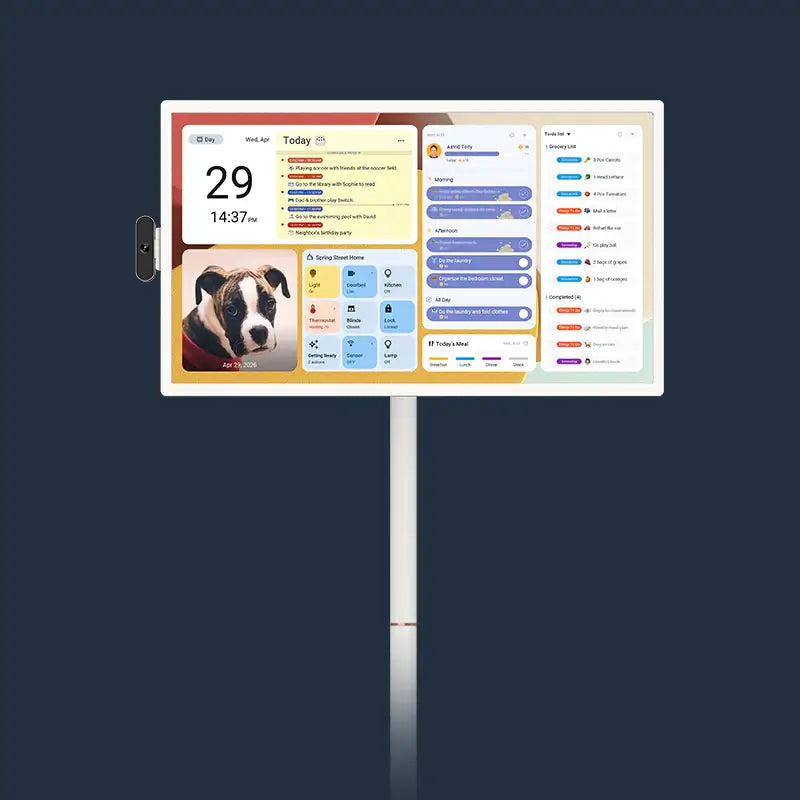
A visual schedule can help change that. When children can actually see what their day looks like, they're more likely to understand what's coming next and take ownership of their responsibilities. Instead of asking, "What's happening today?" they begin checking the schedule themselves. This simple shift encourages independence while reducing the number of daily reminders parents need to give.
Back-to-School Routine Checklist
- Set consistent wake-up and bedtime routines
- Choose one or two daily habits to start
- Read after breakfast or before bed
- Prepare backpacks the night before
- Review the weekly schedule every Sunday
- Display activities and chores on a shared family calendar
- Let kids check their own responsibilities
Turn Back-to-School Routines Into Daily Habits
Building routines isn't about creating the perfect schedule. It's about creating a rhythm that works for your family and making it easy enough to repeat every day.
That's where a shared family calendar can help. Instead of keeping schedules spread across multiple phones and apps, many families choose to display everything in one shared place. School events, extracurricular activities, appointments, chores, and reminders become visible to everyone—not just the person managing the calendar.
With ApoloSign Digital Calendar, families can sync Google Calendar, Apple Calendar, Outlook, and Yahoo Calendar into one shared display. Features like task management and customizable dashboards make it easier for children to see what's coming up, participate in daily routines, and gradually build independence.

Back-to-school success isn't just about having the right supplies. It's about helping children build routines they'll carry with them long after summer ends—and sometimes, the smallest daily habits make the biggest difference.
Ready to make school routines easier? Explore how ApoloSign Digital Calendar helps families organize school events, chores, tasks, and daily routines in one shared display.
FAQ
When should kids start a back-to-school routine?
Ideally, families should begin adjusting routines two to three weeks before school starts. This gives children time to gradually return to earlier bedtimes, morning routines, and daily responsibilities without feeling rushed.
How do I help my child get back into a school routine?
Start with one or two small habits, such as reading after breakfast or preparing a backpack before bedtime. Linking new habits to existing routines helps children remember what to do and builds consistency over time.
What should be included in a back-to-school routine?
A good back-to-school routine may include consistent wake-up and bedtime schedules, reading time, homework or study time, chores, extracurricular activities, and preparation for the next school day.
How can a visual schedule help kids?
A visual schedule helps children see what is coming next, understand expectations, and take more responsibility for their day. It can also reduce the number of reminders parents need to give.
What is a Sunday reset routine for families?
A Sunday reset routine is a short family planning session to review the week ahead, including school events, activities, appointments, chores, and anything children need to prepare in advance.