





Closing the kitchen after dinner comes down to four handoffs: clear the table and put away food, deal with the dishwasher, wipe the approved counters, and take out a safe trash bag. A middle schooler can own all four steps once an adult sets clear limits on hazards, hot items, and anything unfamiliar. The goal is a repeatable kitchen closing chores routine, not a spotless or sanitized kitchen.
Key Takeaways
- A short, fixed order (clear, dishwasher, counters, trash, final check) helps a middle schooler close the kitchen without guessing what comes next.
- Detergent, cleaners, knives, sharp items, hot cookware, and unfamiliar appliance controls stay with the adult, every time.
- A trash bag only gets carried by the child when it is light, intact, and free of sharp or unknown contents.
- Independence should follow consistent, safe performance of the routine, not a specific birthday.
- A full dishwasher, an unsafe bag, or a skipped final report all have one calm, predictable response instead of improvisation.
The Short Kitchen Closing Routine
The routine works best as the same four steps in the same order every night, so the child never has to decide what happens next. Each step ends with something the adult can actually see or hear, not just a general sense that the kitchen looks better.
Clearing the table comes first: food goes back into containers, and dirty dishes move to the sink or counter. From there, the child either loads approved dishwasher items or sets them aside for an adult decision. Counters get wiped with the household's approved cloth or spray, and the trash task is limited to a bag that is light and intact. FoodSafety.gov recommends washing countertops and hands after handling raw food or garbage, which is the practical basis for wash countertops and hands after garbage as the last physical step before the final adult check.

| Chore | Child's Action | Adult-Defined Boundary | Finished Handoff |
|---|---|---|---|
| Clear the table | Put food away, carry dishes to the sink | None for approved leftovers and dishware | Table and eating area are empty |
| Dishwasher | Load approved plates, cups, and utensils | No detergent, hot cookware, or unfamiliar racks | Door closed or items set aside with a report |
| Counters | Wipe with the approved cloth or spray | No unlisted chemical cleaners | Counter surface is clear and wiped |
| Trash | Carry only a light, intact bag to the can | No heavy, wet, leaking, or sharp bags | Bag is out, hands washed |
Once the table is filled in for a household, it becomes the starting checklist. The only customization needed is which specific items count as "approved" for that kitchen.
Set the Boundaries Before the Child Starts
An adult should decide the off-limits list before the first practice run, not while the child is already holding something risky. This keeps hazardous items and unclear situations out of the child's decisions entirely.
Make the Off-Limits List Before Practice
Detergent pods, spray cleaners, knives, and other sharp tools stay adult-controlled. HealthyChildren.org, from the American Academy of Pediatrics, recommends storing dishwasher soap and other dangerous products locked away and out of reach, which supports the household rule to keep cleaners, detergent, and knives secured rather than leaving them as part of the child's unsupervised routine. The same rule applies to hot cookware and any appliance control the child hasn't been shown. The instruction for every exception stays identical: stop, leave it, and tell the adult.
Match the Trash Rule to the Actual Bag
Carrying trash is fine when the bag is light, intact, and free of sharp or unknown contents. A bag that is leaking, unusually heavy, wet, or has anything sharp poking through should stay put for an adult to handle. Setting this rule ahead of time turns it into a normal part of the task instead of a correction after the child has already picked the bag up.
Teach the Routine From Demonstration to Independence
Teaching works best in three passes: show the whole routine, practice it together, then step back once the child is consistent. Readiness depends on how the child performs in this kitchen, not on reaching a certain age.
Show the Complete Routine
Walk through the full sequence once, from clearing the table to the final handoff, narrating what you're doing and why. Point out exactly what the child may touch and what always goes to an adult. Show what "finished" looks like at each step instead of just saying the word "done."
Practice With Spoken Handoffs
Have the child do each approved step while you stay nearby, using short prompts like "set that aside," "tell me," or "ready for the next step." Practice all three friction situations below, a full dishwasher, unsafe trash, and a forgotten report, before easing off. The University of Maryland Extension's guidance on assisting youth in the kitchen supports demonstrating tasks and building guided kitchen practice before expecting independent performance.
Reduce Help After Consistency
Step back from close supervision only once the child follows the order and the boundaries without repeated prompting. Keep a quick adult check going for anything unfamiliar, like a new appliance or an odd-looking trash bag. If the kitchen setup changes or performance slips, go back to closer supervision for that part rather than treating it as a failure. A visual chore chart can help the child remember the order without needing repeated reminders, and pairing the routine with small chores and rewards can keep motivation up during this stage.
Handle the Three Handoff Problems That Break the Routine
Most nights, the routine runs smoothly until one of three things goes wrong: the dishwasher is full, the trash bag isn't safe to carry, or the final report gets skipped. Each one has one calm, predictable response.
When the Dishwasher Is Full
Don't ask the child to force in another dish or guess at rack placement. Instead, have them place any remaining approved items in a household set-aside spot, like a designated tray, and report what's left. The adult decides whether to run a partial load, add a second load, or wait.

When the Trash Bag Is Wet or Unsafe
If a bag is heavy, leaking, wet, or has something sharp in it, the child stops before lifting it. They report the condition in plain words, like "the bag is leaking," and the adult takes over. The child's normal trash task stays limited to bags that are light and intact.
When the Final Handoff Is Forgotten
A fixed closing question works better than hoping the child remembers on their own. Before leaving the kitchen, ask what was set aside, what got handed off, and whether anything looks unusual. Treat that answer as the actual finish line for the routine, not an extra chore. On a busy weeknight when everyone is tired, this one question catches most of what gets missed. If the same handoff keeps slipping, a household with several chores might also benefit from a fair chore plan that spreads effort more evenly across siblings.
Make the Routine Easy to Remember
A visible, same-order cue does more for consistency than repeated verbal reminders. Put the routine somewhere the child naturally looks, like on the fridge or near the sink, and keep the wording the same every night.
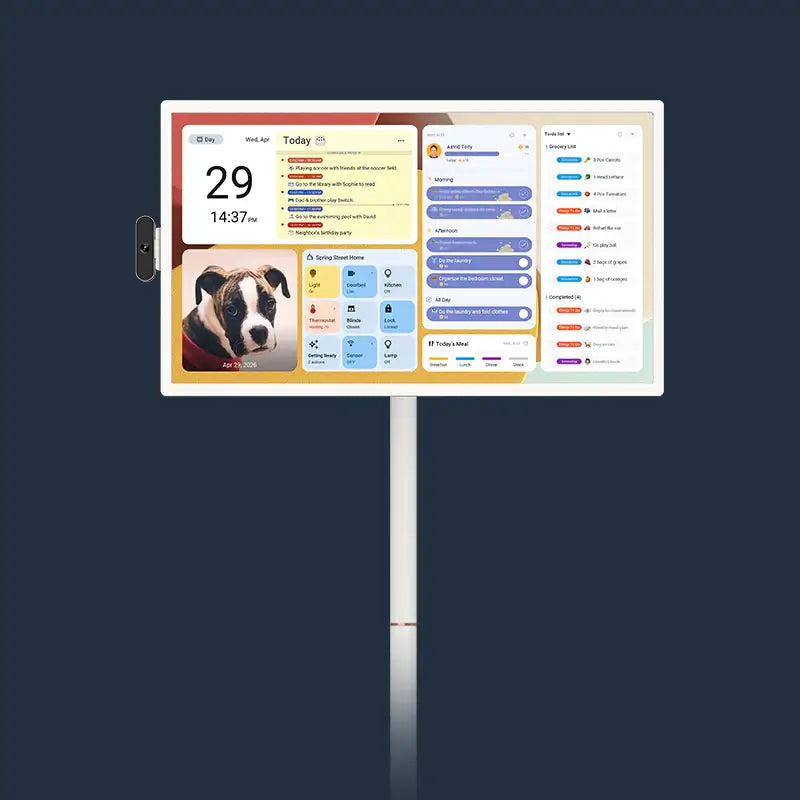
Paper works fine to start, and many households never need anything more. If forgetting the routine is the main problem even after a written list is in place, we built the Apolosign 27" Digital Calendar with a routines feature that turns chores into points and rewards, so families can display the same closing steps every night without extra nagging. It's an optional visibility tool for households that want a shared digital display, not a replacement for the adult decisions and safety boundaries covered above.