







Parenting burnout is more than physical tiredness. Many parents feel exhausted even after a day of “just staying home with the kids” because their brains are constantly planning, deciding, monitoring, and regulating emotions.
If you’ve ever felt misunderstood, you’re not alone. Parenting fatigue is rarely physical. It’s invisible mental burnout.
Even when you look like you’re resting, your brain never stops working. Specifically, your prefrontal cortex is running on empty.

01 What Is Parenting Burnout?
Parenting burnout is a state of long-term physical, mental, and emotional exhaustion caused by the continuous demands of caring for children.
It is not the same as simply feeling tired after a busy day. Parenting burnout often happens when parents carry too much responsibility for too long without enough rest, support, or emotional recovery.
For many parents, the hardest part is not only feeding, bathing, driving, or cleaning. It is the invisible mental load: remembering appointments, planning routines, making constant decisions, preventing risks, managing tantrums, and staying calm even when you are overwhelmed.
That is why you may feel exhausted even when you “didn’t do much” physically. Your brain has been working all day.
02 Common Signs of Parenting Burnout
Parenting burnout can look different for every parent, but some common signs include:
- Feeling tired even after resting or sleeping
- Losing patience more easily than before
- Feeling mentally overloaded by small daily tasks
- Forgetting school deadlines, appointments, or routines
- Feeling like you are the only one managing the family schedule
- Becoming irritated by normal child behaviors
- Feeling emotionally numb, detached, or less joyful around your child
- Feeling guilty because you are not as calm or patient as you want to be
If these feelings happen occasionally, it may simply be a difficult day. But if they continue for weeks or months, it may be a sign that your parenting mental load is too heavy and needs to be reduced.
03 Why Parenting Burnout Feels So Mentally Exhausting
To understand parenting burnout, it helps to look at one part of your brain: the prefrontal cortex.
Think of the prefrontal cortex as your brain’s command center. Located right behind your forehead, it controls many of the skills parents rely on all day:
- Making quick decisions
- Planning and organizing daily life
- Judging risks and staying alert
- Regulating emotions and staying calm
In simple terms, your ability to stay patient, organized, and composed depends heavily on this part of your brain.
At work, you may be able to pause, zone out for a few minutes, or switch to a lower-focus task. But when your child is around, your brain stays on duty. Even if your body is sitting still, your mind is constantly scanning, planning, and responding.

04 The Hidden Mental Load of Parenting
Why is staying with kids so draining? Because parenting endlessly consumes your prefrontal cortex energy.
✅ Endless on-the-spot decision fatigue
Kids are unpredictable by nature. They run, grab things, tantrum, refuse cooperation, and switch moods instantly.
Every single unexpected moment forces your brain to assess, react, and problem-solve immediately.
You might be sitting still, but your mind is permanently on high alert.
✅ Infinite tiny planning tasks drain your energy
Parenting is not just “watching a child” — it’s endless invisible planning.
What they eat, what they wear, packing for outings, vaccine schedules, dentist appointments, outdoor activity time, eye health protection, school crafts, bedtime routines…
These small, repetitive tasks pile up fast. When your kid is sick, your mental load multiplies overnight. Your brain never truly gets to rest.
✅ Emotional self-control is extremely exhausting
The hardest part of parenting isn’t chores — it’s suppressing your emotions.
You clean the room, and your kid messes it up again. You’re exhausted and ready for bed, but they keep rolling around and talking. You rush them to finish school homework or crafts, but they procrastinate until late night.
It’s normal to feel frustrated. Yet your prefrontal cortex forces you to stay calm, patient, and gentle over and over again.
If your partner offers little support or family members add pressure, your mental burnout becomes inevitable.
Your tiredness is not overreacting. Your brain is genuinely overworked.

05 Parenting Hack: Protect Your Prefrontal Cortex
Constant brain burnout leads to irritability, low energy, and mental exhaustion. The key to easier parenting is simple: reduce unnecessary brain consumption.
💛 Cut trivial decision-making
Save your mental energy for important things — stop wasting it on tiny daily choices:
- Set fixed weekly meal plans to avoid daily food decisions
- Create a reusable outing checklist for your kid
- Stick to trusted brand options to skip repeated comparisons
- Stock up daily necessities during sales to avoid frequent purchases
💛 Stop using your brain as the family calendar
One of the biggest sources of parenting mental load is trying to remember everything by yourself: vaccine dates, dental cleanings, school project deadlines, outdoor activity plans, bedtime routines, family errands, and daily schedules.
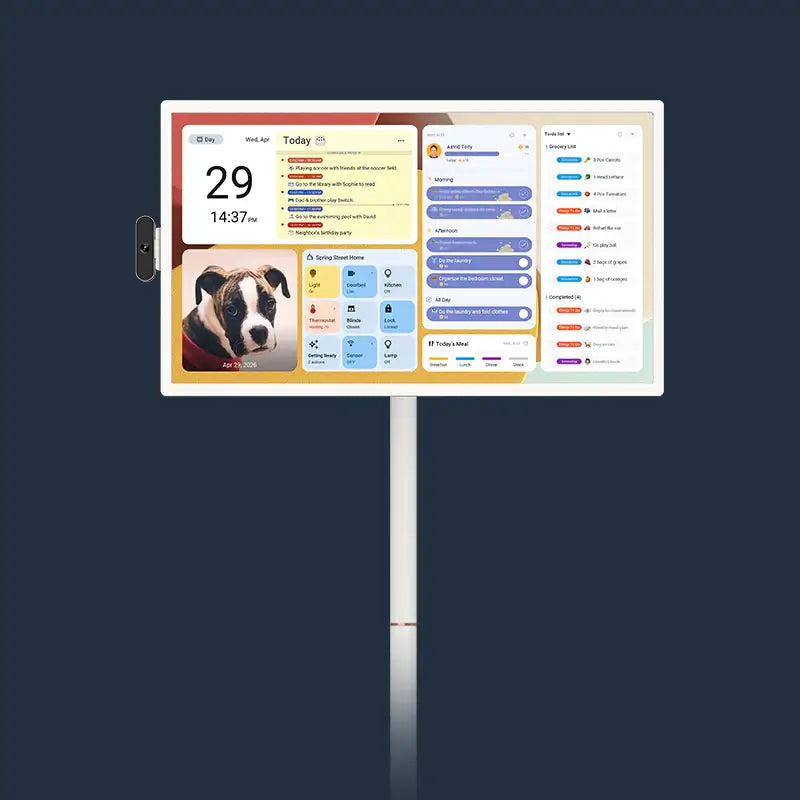
Instead of holding all of this in your head, move it into a shared digital calendar. This helps turn invisible mental load into visible family plans.
Apolosign Digital Calendar can help parents organize important routines and reminders in one place, such as:
- Child vaccine dates and medical checkups
- Dental appointments and eye exams
- School projects, activity days, and deadlines
- Outdoor time, bedtime routines, and family plans
- Recurring reminders for repeated daily or weekly tasks
The goal is not to make your schedule perfect. The goal is to stop your brain from repeatedly asking, “What am I forgetting?”
When your partner or family members can see the same shared calendar, you also reduce the need to remind, explain, and follow up again and again. Everyone can check the plan, take responsibility, and share the mental load more fairly.

💛 Quick emotional reset when you feel overwhelmed
When you’re about to lose your temper, step back safely and repeat to yourself three times:
My child is not misbehaving on purpose. Their brain is still developing.
My child is not misbehaving on purpose. Their brain is still developing.
My child is not misbehaving on purpose. Their brain is still developing.
You can also write down your negative feelings to release internal pressure and calm your prefrontal cortex quickly.
💛 Prefrontal cortex recovery checklist (save this!)
When you’re mentally drained, recharge yourself with these simple routines:
- Walk outside for 20 minutes to refresh your mind
- Enjoy 30 minutes of quiet alone time with deep breathing
- Go to bed a little earlier to restore energy
- Chat and dine with friends to release stress
- Try a new hobby or workout class
- Watch a movie you’ve long put off
Final Thoughts
Parenting burnout is invisible, but it is real.
If you feel exhausted, impatient, or mentally overloaded, it does not mean you are a bad parent. It may simply mean your brain has been carrying too many decisions, reminders, emotions, and responsibilities for too long.
You do not have to be a perfect parent every day. What you need is more rest, more support, and better systems that help your family share the load.
Parenting was never meant to be a one-person battle. Be kind to yourself, and take breaks when you need them.
Tired of carrying the whole family schedule in your head?
Try Apolosign Digital Calendar to create a shared family plan, set reminders, and reduce your parenting mental load.
Start organizing your family schedule today.
FAQ
What causes parenting burnout?
Parenting burnout is often caused by long-term stress, constant decision-making, emotional self-control, lack of support, and the mental load of managing family routines.
Why do parents feel tired even when they do not do much physical work?
Because parenting requires constant attention, planning, risk assessment, and emotional regulation. This invisible mental work can be just as draining as physical labor.
How can I reduce parenting mental load?
You can reduce parenting mental load by simplifying daily decisions, using reusable routines, sharing family schedules, delegating tasks, and using a shared digital calendar.
Can a shared family calendar help with parenting stress?
Yes. A shared family calendar helps move appointments, reminders, school deadlines, and routines out of one parent’s head and into a visible system that everyone can access.
What is the best calendar tool for parents?
The best calendar tool for parents should support recurring reminders, family sharing, clear time blocks, and easy scheduling for children’s routines, appointments, and school tasks.