




Families often waste hundreds of dollars on recurring monthly charges for basic digital organization tools. A one-time payment for a smart household display usually provides the exact same schedule synchronization and meal planning features without the endless billing cycle. A move to a one-time payment model typically frees up your annual budget while keeping everyone in your home perfectly coordinated.

The Real Cost of Recurring Calendar Fees
Monthly charges quietly drain family budgets over time. Buyers should calculate the five-year total ownership expense before purchasing any smart display.
Many digital organizers require an upfront hardware purchase then a mandatory annual fee. Families often pay around $80 every year just to unlock basic features. Such features typically include chore charts or photo screensavers. A five-year lifecycle means the total expense can easily approach $900. People often abandon the ecosystem when they realize the ongoing financial commitment.
Let us compare the typical five-year expenses between subscription models and one-time payment alternatives. The differences are quite clear.
|
Expense Category |
Subscription Model |
One-Time Payment Model |
|
Initial Hardware Purchase |
$160 to $300 |
$200 to $400 |
|
Annual Software Fee |
$80 per year |
$0 |
|
Premium Features Access |
Locked behind paywall |
Included at purchase |
|
Total Five-Year Expense |
$560 to $700 |
$200 to $400 |
Table data highlights a significant financial gap. Buyers who stop paying the annual fee often lose access to the very tools they bought the device for. The screen becomes a basic digital clock rather than a central hub. Smart consumers often look for a reliable skylight calendar dupe to avoid trapped costs. A single payment keeps the focus on organization instead of financial management. Monthly bills add unnecessary stress to household planning. Families deserve transparency in pricing. One-time purchases offer predictability and peace of mind. The FTC notes that subscription problems often involve unclear billing or difficult cancellation around recurring charges.
What Makes a Skylight Calendar Dupe Worth Considering
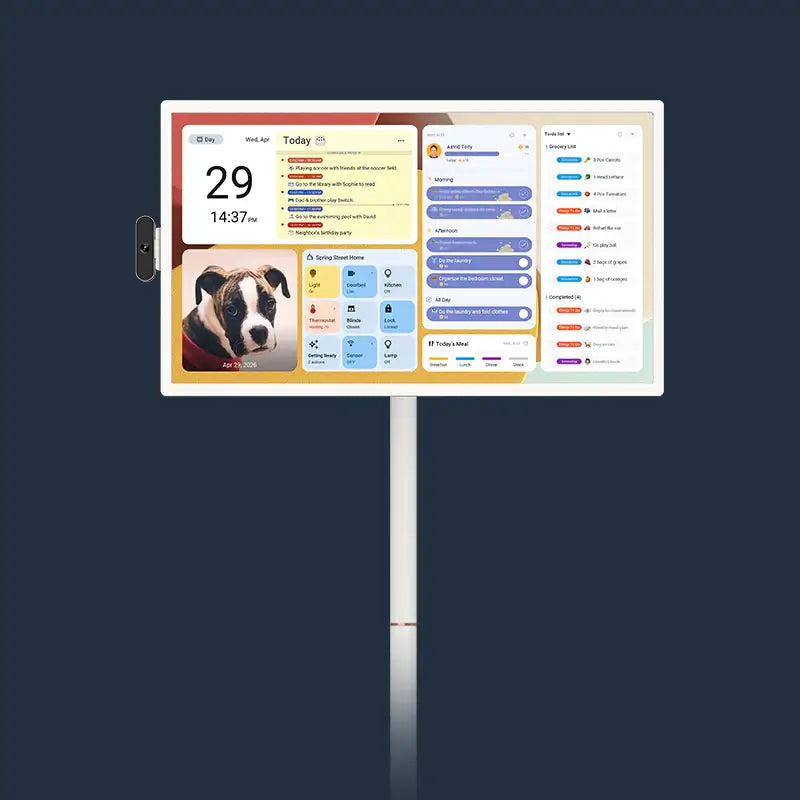
Alternative devices provide robust functionality without the recurring price tag. A one-time payment family screen typically includes core tools such as calendar sync, meal planning, a points-based rewards system for chores, photo album uploads, and a customizable DIY dashboard.
Families want seamless coordination. A premium one-time purchase device generally offers identical capabilities to subscription models. Users can link multiple accounts and track daily habits. We will break down the specific features that add immense value to modern households.
Calendar Sync and Account Access
Multiple users can connect their independent schedules into one unified grid without paying extra synchronization fees.
Smart displays often support popular platforms natively. Parents and teenagers can maintain their separate digital accounts. The central screen pulls all appointments into a single view. You do not need to share passwords or create new family email addresses. Digital calendars like skylight often restrict some advanced synchronization options to premium tiers. One-time payment alternatives typically offer calendar sync with unlimited account connections. The system updates in real time. Someone can add a dentist appointment on their phone at work. The event appears on the kitchen screen immediately. Fast synchronization keeps the whole family on the same page. Everyone knows exactly where they need to be. Google’s official help center also explains how account owners can manage sharing permissions in Google Calendar.
Chores, Meals, and Shared Routines
Built-in meal planners and a points-based rewards system help manage household responsibilities efficiently.
Younger children often respond well to visual cues. Some devices allow parents to use emoji icons instead of text for daily chore lists, and award points or small rewards as chores are completed. A child can tap the screen to check off brushing their teeth or feeding the dog and watch their reward points add up. The meal planning feature usually sits right next to the daily schedule. Parents can display recipes and organize grocery lists. Family members can add missing ingredients to the shared shopping list through a mobile app. The list syncs back to the main display. Such tools help divide the mental load of running a household. Clear visual routines reduce daily arguments about chores. The entire house runs much smoother.
Display, Placement, and Everyday Controls
Large anti-glare touchscreens serve as the perfect command center for high-traffic areas like kitchens or hallways.
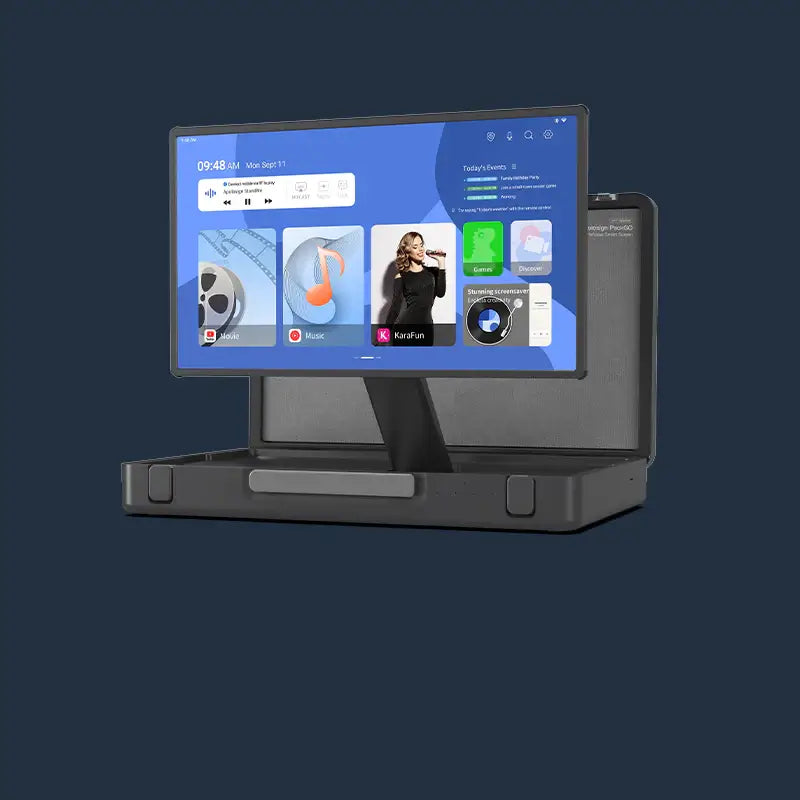
Screen size matters for shared visibility. Many alternatives come in sizes ranging from 15.6 inches to 27 inches. A larger screen allows everyone to read the weekend schedule from across the room. The matte glass finish reduces reflections from overhead lights. Some models feature a dual-mode operating system. Users can switch between a dedicated scheduling interface and a standard smart tablet environment. Built-in microphones typically support voice commands for hands-free operation while cooking. You can connect the screen to local weather widgets, a photo album upload feature, and a DIY dashboard for arranging your own layout.

Where Subscription-Free Calendars Can Fall Short
These one-time payment models do come with a few minor trade-offs. Users often need to spend a few extra minutes during the initial setup phase to customize widgets and connect third-party applications.
Subscription services often charge a premium for absolute simplicity. They might offer proprietary automated email parsing. One-time payment alternatives generally require manual entry for specific school events.
Initial Setup and Widget Configuration
These systems require a bit of manual setup to arrange your preferred layout on the DIY dashboard.
The open nature of one-time payment systems provides immense flexibility. People might find the abundance of customization options slightly overwhelming at first. You need to arrange your own layout. You will spend a brief period dragging and dropping your preferred widgets into place. A comparison of a skylight calendar vs others often reveals that open ecosystems take slightly more effort on day one. The long-term savings usually outweigh the minor inconvenience. The initial setup time is a one-off task. The interface becomes highly intuitive once configured. Families quickly adapt to the new digital environment.
Manual Entry for School Newsletters
Users often need to manually input dates from school emails instead of relying on automated extraction tools.
Premium services can automatically read a school newsletter and extract key dates directly into the grid. One-time payment alternatives generally lack proprietary email scanners. Manual entry takes a bit more time each week. You trade automated email reading for lower long-term cost. A parent can easily copy an event from their phone to the main calendar in seconds. The extra few taps save hundreds of dollars over the lifespan of the device.
Match the Calendar to Your Household Routine
Every family organizes their days differently. You should evaluate your physical space and privacy requirements before selecting a specific screen size or operating model.
The right device fits naturally into your daily flow. A large family with teenagers requires a different setup than a couple managing a toddler. We can look at how different environments dictate the ideal screen choice.
Use Cases That Favor a Shared Display
Open living spaces benefit most from large screens that act as a central information hub for the whole family.
Kitchens and open-plan living rooms serve as natural gathering points. A 21.5-inch or 27-inch display mounted on a prominent wall keeps everyone informed. People can glance at the weekly plan while preparing breakfast. Smaller 15.6-inch screens work well in specialized zones. A family might place a smaller display in a child's bedroom or a home office. The bedroom screen can focus purely on homework deadlines and morning routines. Dedicated zones help individuals manage their specific responsibilities away from the broader family agenda. Strategic placement maximizes the utility of the screen.

Checks for Mixed Calendars and Family Permissions
Systems should smoothly bridge the gap between different mobile operating systems to prevent scheduling conflicts.
Households frequently mix iOS and Android devices. Your chosen display needs to communicate flawlessly with both ecosystems. A good alternative screen breaks down barrier restrictions natively. You can integrate a school iPad schedule with a parent's Android work phone. Compatibility issues often disappear completely.
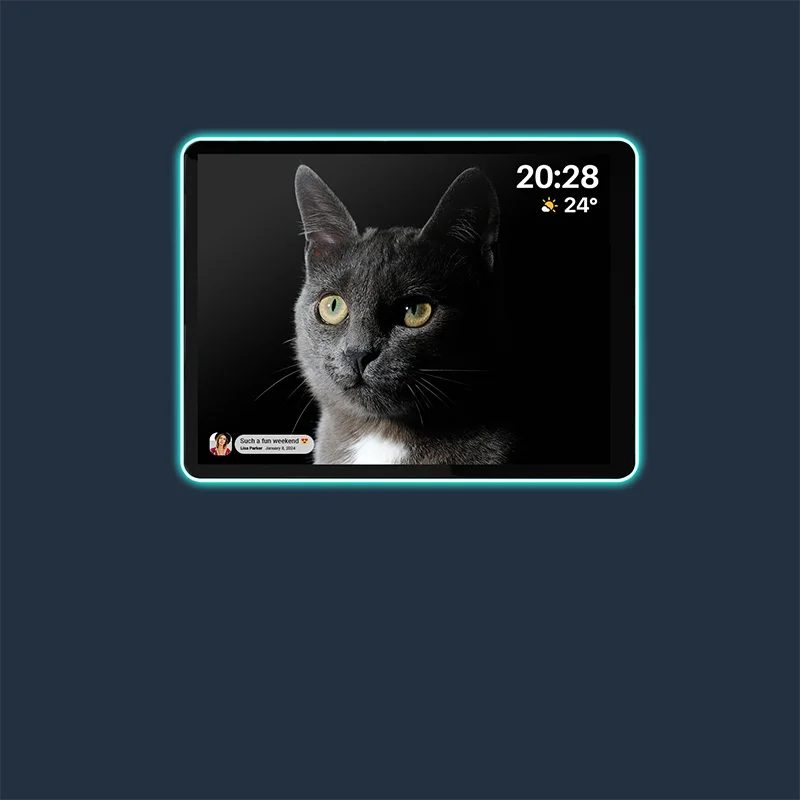
Privacy also remains a critical factor in shared spaces. Guests occasionally visit the home. Some displays feature privacy toggles. A user can swipe the screen to hide sensitive medical appointments or financial meetings. The display instantly transforms into a digital photo frame. You protect your personal information while maintaining a welcoming environment. Privacy controls give you peace of mind during social gatherings. The FTC also recommends securing home networks because many smart home devices connect through the same Wi-Fi network.

Shortlist Your Choice Before You Buy
The final decision comes down to matching features with your long-term financial comfort. Calculate the projected five-year cost and verify the synchronization capabilities before committing to any digital organization system.
Many buyers rush into a purchase on aesthetic appeal alone. You need a functional tool that respects your budget.
Evaluate Hardware Specifications
Check the screen resolution and operating system limits before making a final purchase.
Evaluate the hardware specifications carefully. Households that prioritize freedom and large screens will find one-time payment devices highly appealing. High-resolution matte screens perform much better in bright kitchens. A thoughtful purchase creates a smoother daily life.
Calculate the Five Year Total Expense
Project the upfront cost plus any hidden annual fees over five years to see the true price tag.
Take the time to list out the exact features your family actually uses. If you only need a basic grid and a grocery list, a recurring fee is unnecessary. Overpaying for unused features happens far too often. There are many skylight calendar dupes available today. Families who prefer closed systems and do not mind annual fees might stick with traditional models. A calculation of the long-term cost reveals the massive advantage of paying once.
Upgrade Your Family Organization Today
A move away from monthly fees is a practical step forward. A one-time payment display gives you core coordination tools — calendar sync, meal planning, a points-based rewards system, photo album uploads, and a customizable DIY dashboard. Take control of your household schedule today. Invest in a dedicated screen that respects your budget and simplifies your daily routine.
FAQs
Q1: Can multiple family members edit the schedule simultaneously from different locations?
Yes, real-time remote editing is fully supported. Anyone with the connected mobile application can add or modify events while at work or school. The changes instantly reflect on the home display to keep everyone updated.
Q2: Does the device require a constant internet connection to display the current day?
Yes, an active Wi-Fi connection is necessary to pull the latest updates and sync new appointments. The screen can typically show previously downloaded offline events if the network temporarily drops.
Q3: Will the display screen automatically dim at night to prevent sleep disruption?
Yes, most modern screens feature automatic brightness sensors. The system detects ambient light levels and lowers the backlight during evening hours to maintain a comfortable environment.
Q4: Can we export our existing digital events if we decide to change devices later?
Yes, you retain full ownership of your data. Because the display pulls information from your primary accounts, your original schedules remain safely stored on those native platforms.
Q5: Are software updates included for the lifetime of the hardware?
Yes, critical security patches and basic operating system updates are generally provided for free. The manufacturer pushes system improvements over the air to maintain performance stability over the years.